
Gluten-free lemon blueberry bread is a bright, tender, and flavorful loaf made with simple ingredients and plenty of fresh lemon flavor.
The combination of juicy blueberries and fragrant lemon zest gives every slice a fresh, fruity taste, while almond milk and avocado oil help create a soft, moist crumb. Finished with a sweet lemon glaze, this easy lemon blueberry bread works beautifully for breakfast, afternoon snacks, brunch, or dessert.
Why You’ll Love This Lemon Blueberry Bread
This gluten-free blueberry bread has a lovely balance of sweet and tangy flavors without feeling heavy. Lemon brings a refreshing citrus note to the batter, while blueberries add natural sweetness and little bursts of fruit throughout the loaf. The texture is light and moist rather than dense, making it especially enjoyable when served with coffee, tea, or a cold glass of almond milk.
Another advantage is that this recipe is both gluten-free and dairy-free, so it can fit comfortably into a variety of menus. The recipe uses gluten-free flour, almond milk, and avocado oil instead of traditional dairy ingredients. The result is a simple homemade quick bread that does not require complicated techniques or unusual equipment.
Lemon and Blueberry Make a Perfect Combination
Lemon and blueberries are a classic pairing because their flavors complement one another so naturally. Blueberries provide a soft, sweet fruit flavor, while lemon adds acidity and brightness that keeps the loaf from tasting overly sweet. Lemon zest is especially important because it contributes concentrated citrus aroma directly to the batter.
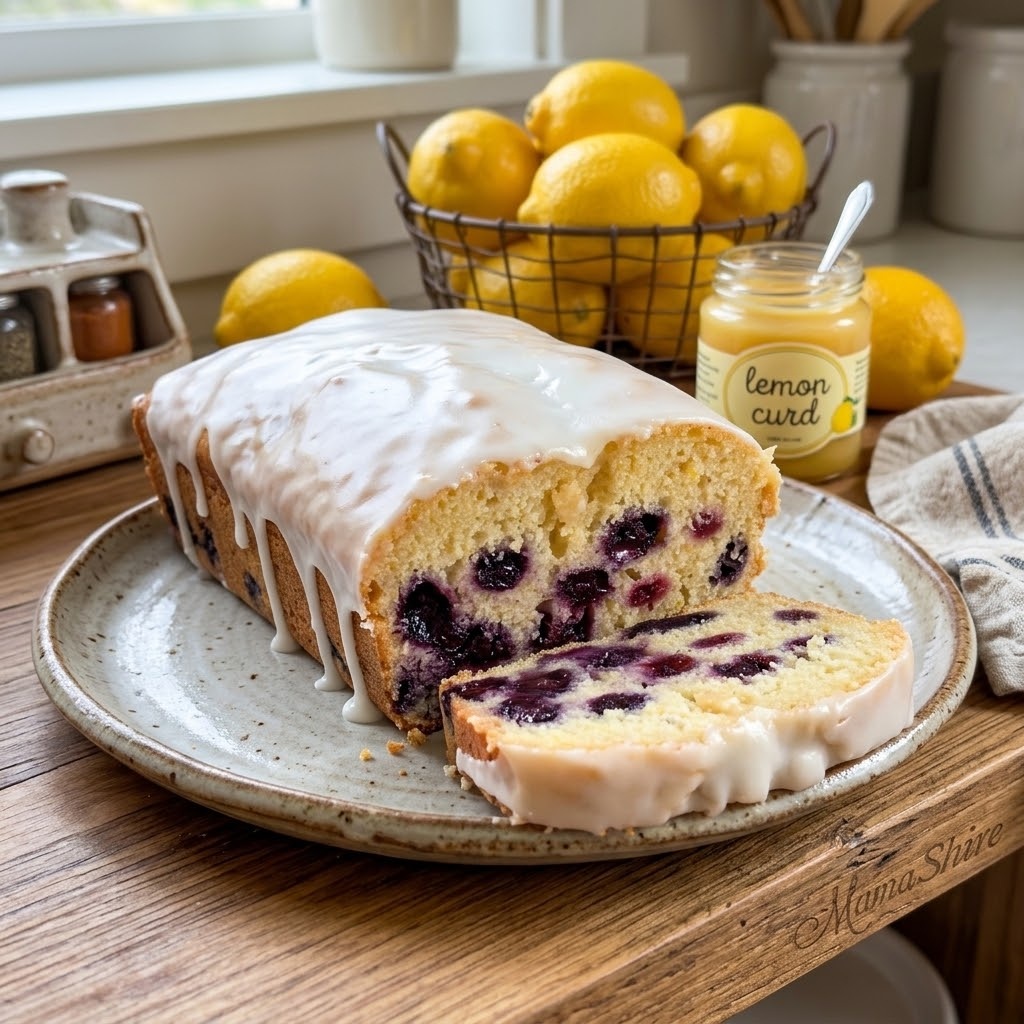
The lemon glaze adds another layer of flavor after baking. A simple mixture of powdered sugar and lemon juice creates a smooth topping that dries into a delicate sweet finish. When you cut into the loaf, the pale lemon glaze contrasts beautifully with the golden bread and colorful blueberries, making it suitable for both everyday breakfasts and special gatherings.
What Makes This Bread Gluten-Free
The recipe uses gluten-free flour instead of conventional wheat flour. Because gluten-free flour blends can behave differently from one brand to another, it is important to use a gluten-free flour suitable for baking. Measuring the flour carefully also helps maintain the intended texture of the finished loaf.
When preparing gluten-free baked goods, preventing accidental contact with wheat-containing ingredients is also worth considering. If the bread is being prepared for someone who must strictly avoid gluten, check the labels of ingredients such as flour, baking powder, powdered sugar, vanilla extract, and other packaged products to make sure they are appropriate for your needs.
The Ingredients That Build the Flavor
Gluten-free flour provides the structure for the loaf, while baking powder helps it rise during baking. Salt balances the sweetness and allows the lemon and blueberry flavors to stand out. Sugar provides sweetness and contributes to the tender texture of the finished bread.
Almond milk supplies moisture without adding dairy, while avocado oil gives the loaf a soft crumb. Eggs help bind the ingredients and provide structure as the bread bakes. Lemon juice and lemon zest provide the main citrus flavor, and vanilla extract adds a subtle background note that rounds out the overall taste.
The blueberries are the star fruit ingredient. Fresh blueberries can be used directly after a light rinse, while frozen blueberries are also suitable. Tossing the berries with a small amount of gluten-free flour helps reduce the chance of them sinking excessively into the batter during baking.
How to Prepare the Batter
The batter begins with the dry ingredients. Whisking the gluten-free flour, baking powder, and salt together helps distribute the leavening agent evenly. This is a small but useful step because it reduces the possibility of concentrated pockets of baking powder or salt in the finished loaf.
The wet ingredients are mixed separately with the sugar. Avocado oil, eggs, vanilla, lemon zest, and lemon juice are combined until evenly incorporated. This creates the flavorful base of the batter before the dry ingredients and almond milk are introduced.
The flour mixture and almond milk are added gradually rather than all at once. Half of the flour mixture goes into the egg mixture first, followed by half of the almond milk. The remaining portions are then added in the same way. Scraping the bowl midway helps make sure the ingredients are incorporated evenly.
Once the batter has been mixed, it rests for 10 minutes. This resting period is particularly useful for gluten-free batter because it gives the flour time to absorb moisture. Avoid overworking the batter during mixing, as a gentle approach helps maintain the light texture desired for this loaf.
Preparing the Blueberries
Blueberries need a little preparation before they are folded into the batter. If you are using frozen blueberries, take them from the freezer and immediately toss them with the tablespoon of gluten-free flour. There is no need to thaw them first.
For fresh blueberries, lightly wet them with water before coating them with the gluten-free flour. The light coating helps the berries integrate more evenly into the batter. When folding them in, use a gentle motion so the berries remain intact instead of being crushed.
This step also helps distribute the fruit throughout the loaf. Without careful folding, blueberries can collect in certain areas of the batter or become damaged during mixing. A spatula is ideal because it allows you to fold the fruit in gently without excessive stirring.
Preparing the Loaf Pan
A 9×5-inch metal loaf pan is used for this recipe. Preparing the pan properly makes removing the finished bread much easier. You can spray it with nonstick cooking spray or line the bottom with parchment paper.
The oven should be preheated to 350°F before the loaf goes inside. Allowing the oven to reach the correct temperature before baking is important because the batter depends on consistent heat to rise and cook evenly.
Once the batter has rested, fold in the prepared blueberries and transfer the mixture to the loaf pan. Spread the batter evenly so the loaf has a level surface as it begins baking. Avoid pressing the batter down heavily because this can disturb the air incorporated during mixing.
How to Bake Gluten-Free Lemon Blueberry Bread
Bake the loaf for approximately 60 to 65 minutes at 350°F. Baking times can vary slightly depending on the oven and the particular loaf pan being used, so the toothpick test is the most useful way to check doneness.
Insert a toothpick into the center of the loaf. When it comes out clean, the bread is ready. If the toothpick still carries wet batter, give the loaf additional baking time and check again. The center needs enough time to set properly because blueberries release moisture as they bake.
Once baked, place the pan on a wire rack and allow it to cool for 10 minutes. Then remove the loaf from the pan and place it directly on the wire rack. Letting the loaf cool completely before adding the glaze is important because warm bread can cause the glaze to become excessively thin and run off the surface.
Making the Lemon Glaze
The lemon glaze is quick to prepare and requires only powdered sugar and lemon juice. Once the bread has cooled completely, combine the two ingredients until smooth. The glaze should have enough consistency to spread over the top of the loaf without immediately running off the sides.
The glaze provides a sweet citrus finish that makes the bread feel more like a special bakery-style treat. It also enhances the lemon flavor already present in the loaf. For the prettiest presentation, spread the glaze across the top and allow it to settle before slicing.
How to Serve Lemon Blueberry Bread
This lemon blueberry loaf is versatile enough for several occasions. Serve a slice at breakfast alongside coffee or tea, or place it on a brunch table with other breakfast favorites. The combination of fruit and lemon makes it particularly appealing during spring and summer gatherings.
For dessert, serve the bread at room temperature with the lemon glaze clearly visible on top. It can also be sliced and arranged on a serving platter for bridal showers, Mother’s Day celebrations, afternoon tea, or other special brunches. The colorful blueberries give the loaf an attractive homemade appearance.
For a simple snack, a slice can be enjoyed on its own. The moist crumb and fruity flavor mean that the bread does not require additional toppings. Because it is easy to slice and serve, it is also convenient for casual family breakfasts or afternoon snacks.
Fresh or Frozen Blueberries?
Both fresh and frozen blueberries work in this recipe. Fresh blueberries are excellent when they are readily available, but frozen berries make the bread convenient throughout the year. The recipe specifically provides a preparation method for both varieties.
If using frozen blueberries, keeping them frozen until they are ready to be folded into the batter helps preserve their shape. Avoid thawing them beforehand unless necessary, because thawed berries can release more liquid and may color the batter more strongly.
Fresh blueberries can provide a slightly firmer texture, while frozen berries may release more juice as they bake. Either choice produces a fruity loaf with plenty of blueberry flavor, so the best option is simply the type you have available.
How to Keep the Bread Moist
Moisture is one of the defining qualities of this lemon blueberry bread. Almond milk, avocado oil, eggs, lemon juice, and blueberries all contribute to the final texture. Correct baking time is equally important because overbaking can gradually remove moisture from the crumb.
Allow the bread to bake until the center is properly set, but avoid leaving it in the oven substantially longer than necessary. The toothpick test is useful for identifying when the loaf has finished baking. Cooling it correctly also helps the crumb settle without becoming overly dry.
Common Baking Mistakes to Avoid
One common mistake is adding the blueberries too early and mixing them aggressively. The berries should be folded in only after the batter has rested. Gentle folding protects the berries and helps distribute them without unnecessarily overmixing the batter.
Another issue can occur when the loaf is removed from the oven too soon. Gluten-free baked goods need sufficient time for their structure to set. If the center is still wet when tested, continue baking and check again rather than removing the loaf immediately.
Adding the glaze while the bread is still warm can also create problems. The glaze may become too liquid and slide off the loaf. Waiting until the bread is completely cool gives you a much better finish and makes the final presentation cleaner.
Notes for the Best Results
Use the recommended 9×5-inch metal loaf pan for the intended shape and baking time. Different pan sizes can change the thickness of the batter and therefore affect how quickly the center cooks. If you use a different pan, monitor the loaf carefully and rely on the toothpick test rather than assuming the same baking time will apply.
For the lemon flavor, use the zest and juice from the lemons specified in the recipe. Fresh lemon zest provides a fragrant citrus character that bottled lemon juice alone cannot replicate. The recipe notes that two lemons should provide enough zest and juice for both the loaf and the glaze.
Be gentle when combining the blueberries with the rested batter. The goal is to distribute them evenly without crushing them. If some berries break during folding, that is not a problem, but avoiding excessive mixing helps preserve the attractive pockets of fruit throughout the finished bread.
Frequently Asked Questions
Can I use frozen blueberries?
Yes. Frozen blueberries are suitable for this recipe and do not need to be thawed first. Remove them from the freezer and toss them with the tablespoon of gluten-free flour before folding them into the rested batter.
Is this lemon blueberry bread dairy-free?
Yes. The recipe is made with almond milk and avocado oil rather than dairy milk or butter. However, if dietary restrictions are strict, check the labels of all packaged ingredients to ensure they meet your specific requirements.
Can I make this bread with fresh blueberries?
Yes. Fresh blueberries work very well. Lightly wet them with water and then coat them with the tablespoon of gluten-free flour before gently folding them into the batter.
How do I know when the bread is done?
Insert a toothpick into the center of the loaf. The bread is ready when the toothpick comes out clean rather than carrying wet batter. Begin checking around the stated baking time because ovens can vary.
When should I add the lemon glaze?
Wait until the loaf has cooled completely. Mix the powdered sugar and lemon juice, then spread the glaze over the cooled bread. This produces a cleaner finish and prevents the glaze from becoming excessively runny.
Storage and Serving Notes
After the loaf has cooled completely, keep it covered so the crumb stays moist. When serving, use a sharp knife to cut clean slices through the loaf and its blueberry pockets. The glaze provides plenty of sweetness, so the bread can be served without additional toppings.
If preparing the loaf for a gathering, bake it ahead of time and allow it to cool completely before glazing. This makes it easier to handle and gives the glaze time to set. Sliced lemon blueberry bread can then be arranged on a platter for breakfast, brunch, dessert, or an afternoon snack.
A Simple Homemade Loaf for Any Occasion
This gluten-free lemon blueberry bread brings together everything that makes a homemade quick bread appealing: an easy batter, bright lemon flavor, juicy blueberries, a tender crumb, and a simple glaze. It looks attractive enough for a celebration while remaining straightforward enough for an ordinary weekend breakfast.
Whether you are looking for an easy gluten-free breakfast recipe, a dairy-free lemon dessert, a blueberry quick bread, or a homemade brunch recipe, this loaf offers a practical option. The combination of citrus and berries keeps the flavor fresh, while the lemon glaze adds a polished finishing touch.
Best Gluten-Free Lemon Blueberry Bread (Dairy-Free)
 Recipe by admin1
A light and moist gluten-free lemon blueberry bread made with almond milk, avocado oil, fresh lemon juice, lemon zest, and juicy blueberries.
10
servings20
minutes1
hour5
minutes1
hour25
minutesIngredients
- Lemon Blueberry Bread
1 and ½ cups gluten-free flour
1 teaspoon baking powder
1 teaspoon salt
1 cup sugar
½ cup almond milk
⅓ cup avocado oil
2 large eggs
2 tablespoons lemon juice*
2 teaspoons lemon zest*
½ teaspoon vanilla extract
1 cup blueberries, fresh or frozen
1 tablespoon gluten-free flour
- Lemon Glaze
1 cup powdered sugar
2 tablespoons lemon juice*
Directions
- In a medium-sized bowl, whisk together the gluten-free flour, baking powder, and salt. Set the mixture aside while you prepare the wet ingredients.
- Add the avocado oil, sugar, eggs, vanilla extract, lemon zest, and lemon juice to the bowl of a stand mixer. Mix until the ingredients are well combined.
- Add half of the flour mixture to the egg mixture and mix. Add half of the almond milk and continue mixing. Repeat with the remaining flour mixture and almond milk. Scrape the sides of the bowl with a spatula midway through mixing to ensure the ingredients are evenly incorporated.
- Preheat the oven to 350°F. Spray a 9×5-inch metal loaf pan with nonstick cooking spray, or line the bottom of the pan with parchment paper.
- For frozen blueberries, remove them from the freezer and toss them with the tablespoon of gluten-free flour.
For fresh blueberries, lightly wet them with water and then toss them with the tablespoon of gluten-free flour. - After the batter has rested for 10 minutes, carefully fold the blueberries into the batter. Pour the mixture into the prepared loaf pan and spread it evenly.
- Bake for 60–65 minutes, or until a toothpick inserted into the center of the bread comes out clean.
Place the pan on a wire rack and allow it to cool for 10 minutes. Remove the bread from the pan and place it directly on the wire rack to cool completely. - Once the loaf is completely cool, combine the powdered sugar and lemon juice. Mix until smooth, then spread the lemon glaze over the top of the bread.


)