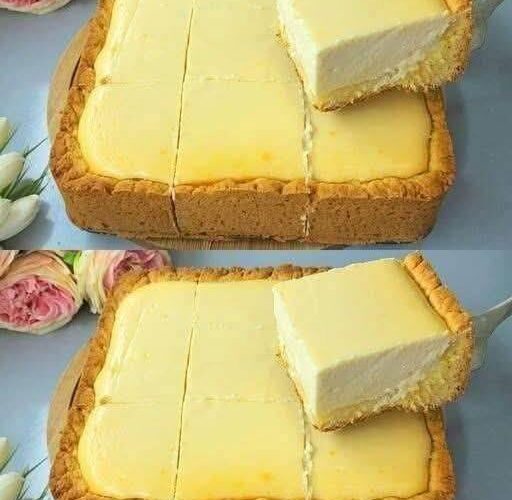
Torta della Nonna is a traditional Italian custard tart made with delicate lemon-scented shortcrust pastry, rich Italian pastry cream, and a simple topping of pine nuts and powdered sugar.
The name translates to “grandmother’s cake,” but this much-loved dessert is more than a charming name. It is a wonderfully balanced combination of crisp pastry and smooth, creamy custard, making it an elegant yet comforting dessert for family meals, dinner parties, and special occasions.
What Is Torta della Nonna?
Torta della Nonna is one of those Italian desserts that proves a recipe does not need complicated ingredients to be memorable. The dessert features a tender shortcrust pastry shell filled generously with homemade pastry cream, then covered with another layer of pastry before baking. Pine nuts are scattered across the top, and the finished tart receives a generous dusting of powdered sugar. The result is a golden Italian custard tart with a creamy center and beautifully delicate pastry.
The flavor is particularly appealing because the pastry contains lemon zest, while the pastry cream is flavored with vanilla. These two flavors complement each other without overpowering the dessert. The lemon gives the crust a fresh, fragrant quality, while the vanilla pastry cream provides richness and sweetness. Once baked, the pine nuts add a subtle nutty character and pleasant texture to every slice.
Why This Italian Custard Tart Is So Special
The charm of Torta della Nonna comes from its contrast of textures. The outside pastry becomes lightly crisp and golden during baking, while the interior remains soft, creamy, and luscious. The pastry cream is made with whole milk, egg yolks, sugar, vanilla extract, and flour, creating a classic custard filling with a smooth consistency. When combined with the buttery shortcrust, it creates the kind of dessert that feels both rustic and refined.
Another reason this traditional Italian dessert remains popular is its approachable ingredient list. There are no unusual flavorings or difficult-to-find ingredients required. All-purpose flour, butter, eggs, milk, sugar, vanilla, lemon zest, and pine nuts form the foundation. Because the ingredients are straightforward, careful preparation becomes the key to achieving the best possible texture and flavor.
Making the Italian Pastry Cream
The pastry cream is the heart of this Italian custard tart, so it deserves careful attention. Begin by heating the whole milk and vanilla extract in a medium saucepan until the milk just reaches a boil. It is important not to let the milk aggressively boil for a long time. Once heated, remove the saucepan from the heat and allow the milk to cool slightly before combining it with the egg mixture.
In a separate bowl, whisk the egg yolks and granulated sugar until they become light and creamy. Stir in the flour until the mixture is smooth. Gradually adding the warm milk while whisking constantly helps prevent lumps from forming. This step is especially important because adding the milk too quickly can cause the egg mixture to heat unevenly.
After combining the ingredients, strain the mixture back into the saucepan. Return it to the heat and stir continuously until the pastry cream thickens. Once thickened, allow it to boil for about one minute so the flour is properly cooked. The finished pastry cream should be smooth, thick, and creamy rather than watery.
Transfer the pastry cream to a clean bowl immediately after cooking. Cover its surface directly with plastic wrap to prevent a skin from forming as it cools. Allow it to cool completely before assembling the tart. Using completely cooled pastry cream makes the pastry easier to handle and helps prevent the butter-based crust from becoming excessively soft.
How to Make the Tender Lemon Shortcrust
The shortcrust pastry is another defining feature of Torta della Nonna. It is buttery, tender, lightly crisp, and gently flavored with lemon zest. A food processor makes the process quick and convenient, but the dough can also be prepared by hand if you prefer a more traditional approach.
For the food processor method, combine the all-purpose flour, lemon zest, baking powder, salt, and cold butter. Pulse the ingredients until the mixture resembles breadcrumbs. The cold butter should be distributed throughout the flour without becoming completely melted. Keeping the butter cold is essential for producing a tender pastry.
Next, add the granulated sugar, egg, and egg yolk. Process the mixture just until the dough begins to come together around the sides of the processor bowl. Do not continue processing unnecessarily. Once the dough begins forming, transfer it to a work surface and knead it very lightly until it comes together. If the dough feels particularly sticky, a small amount of additional all-purpose flour can be used.
The same dough can easily be made without a food processor. Combine the flour, lemon zest, baking powder, and salt in a large bowl. Cut the cold butter into small chunks and rub it into the dry ingredients with your fingertips until the mixture resembles breadcrumbs. Add the sugar, egg, and egg yolk, then mix with a wooden spoon or spatula until the dough begins to come together.
The most important rule when making this pastry is not to overwork it. Excessive kneading can develop the gluten in the flour and produce a tougher crust. Once the dough has formed, shape it into a thick round, wrap it in plastic wrap, and refrigerate it for one hour. Chilling gives the butter time to firm up and makes the dough considerably easier to roll and shape.
Why Chilling the Pastry Matters
Chilling is an important part of preparing this Italian tart. The dough contains a generous amount of butter, which becomes soft when exposed to warmth. If the pastry becomes too warm while rolling, it may stick to the parchment paper, tear easily, or become difficult to transfer into the tart pan. Cold pastry is much easier to manage and generally produces a better finished crust.
When the chilled dough feels extremely firm, there is no need to force it immediately with the rolling pin. Give it a few gentle thumps with the rolling pin to make it more pliable, or let it sit briefly at room temperature. The goal is to soften the dough enough to roll without allowing the butter to melt.
Preparing the Tart Shell
Before assembling the dessert, soak the pine nuts in a small bowl of water and preheat the oven to 350°F/180°C. Grease a 10-inch/25cm tart pan with a removable base using non-stick cooking spray. A removable-base tart pan makes it much easier to release the finished Torta della Nonna without damaging the pastry.
Divide the chilled dough into two portions, making one portion larger than the other. The larger piece will form the base and sides of the tart, while the smaller piece will become the top crust. Return the smaller portion to the refrigerator while working with the larger piece so that it stays cool.
Roll the larger portion between two sheets of parchment paper until it is large enough to cover the tart pan. Using parchment paper on both sides makes this soft pastry much easier to roll and transfer. If the dough begins sticking, dust it lightly with flour and continue carefully.
Gently transfer the rolled pastry into the tart pan. Encourage the dough into the corners and along the sides without stretching it excessively. Any tears can be patched with spare pastry. Trim the edges level with the top of the pan, keeping any excess dough because it can be useful when preparing the top crust.
Filling the Torta della Nonna
Once the pastry shell is ready, spoon the completely cooled Italian pastry cream into the base. Spread the filling evenly so that the tart has a consistent layer of custard from edge to edge. Avoid overfilling the crust because the pastry cream needs to remain enclosed beneath the top pastry layer during baking.
Roll out the remaining portion of pastry between parchment paper in the same way. Carefully place it over the pastry cream. Press the edges together gently to seal the top and bottom layers, then trim away any excess pastry. A well-sealed edge helps keep the creamy filling enclosed while the tart bakes.
Make a small slit in the center of the top crust. This opening allows steam to escape while the tart is baking. Brush the top lightly with water, then drain the soaked pine nuts and scatter them over the pastry. The pine nuts will toast gently in the oven, creating a classic finish for this traditional Italian dessert.
Baking the Italian Custard Tart
Place the assembled tart into the preheated 350°F/180°C oven and bake for approximately 40 minutes. During baking, the pastry should become beautifully golden while the top develops a lightly crisp surface. The pastry cream inside will be enclosed by the crust, allowing the flavors to blend while maintaining its creamy character.
Ovens can vary, so keep an eye on the tart toward the end of the baking time. The crust should look cooked through and golden rather than pale or doughy. Avoid unnecessarily extending the baking time, as excessive baking can make the pastry overly firm and affect the delicate texture of the filling.
Cooling and Serving Torta della Nonna
After baking, allow the tart to cool before attempting to remove it from the pan. This cooling period is important because the pastry and custard need time to settle. Removing the tart while it is extremely hot can make the crust more fragile and increase the chance of breaking.
Once cooled, carefully remove the Torta della Nonna from the tart pan and transfer it to a serving plate. Finish with an abundant dusting of powdered sugar. The contrast between the golden crust, toasted pine nuts, creamy filling, and white powdered sugar gives the dessert its unmistakable Italian appearance.
Torta della Nonna can be served at room temperature or chilled. Chilled slices have a particularly smooth and firm custard texture, while room-temperature servings allow the buttery pastry and vanilla flavors to come forward more fully. Either option works well, so the choice can depend on your preference and the occasion.
The Best Way to Serve This Classic Italian Dessert
This homemade Italian custard tart makes an excellent ending to an Italian-inspired dinner. Its creamy filling and delicate pastry pair naturally with savory dishes, making it especially suitable after pasta, chicken, or vegetable-based meals. Because the tart is rich but not dependent on elaborate decorations, it can be prepared ahead and served when guests arrive.
A generous dusting of powdered sugar is all that is needed for presentation. The pine nuts provide visual appeal and a little crunch, while the lemon-scented crust keeps the dessert tasting fresh. There is no need for heavy sauces or complicated toppings because the pastry cream already provides the main creamy element.
Notes for Perfect Torta della Nonna
Keep the pastry cold throughout the preparation process. If the dough becomes difficult to work with, place it back in the refrigerator rather than adding large amounts of flour. Cold butter is important for the tender texture of the shortcrust, and excessive flour can make the finished pastry heavier than intended.
The pastry cream should be completely cool before it is spread into the crust. Warm filling can soften the butter in the pastry and make assembly difficult. Covering the pastry cream directly with plastic wrap while it cools helps prevent a thick skin from forming on its surface.
When rolling the pastry, parchment paper is especially useful because the dough is delicate. Work gently and avoid stretching the dough when placing it into the tart pan. If small cracks appear, simply patch them with spare pastry. The finished tart does not need to look perfect before baking because the powdered sugar and pine nuts create a beautiful rustic presentation.
Frequently Asked Questions About Torta della Nonna
Can Torta della Nonna be served chilled?
Yes. Torta della Nonna can be enjoyed either at room temperature or chilled. Chilling gives the pastry cream a firmer, smoother texture, while serving it at room temperature allows the buttery shortcrust and vanilla flavors to feel more pronounced. Both serving temperatures work beautifully for this traditional Italian custard tart.
Why does the pastry need to be chilled?
The pastry contains cold unsalted butter, and chilling helps keep that butter firm. Firm pastry is easier to roll, transfer, and shape inside the tart pan. Chilling also reduces the risk of the dough becoming sticky or difficult to handle. If the pastry becomes too warm during assembly, refrigerate it again before continuing.
Can the shortcrust be made without a food processor?
Absolutely. The recipe provides a hand-preparation method using a large bowl. Rub the cold butter into the flour mixture with your fingertips until it resembles breadcrumbs, then add the sugar, egg, and egg yolk. Mix gently and avoid overworking the dough to maintain its tender texture.
What gives this dessert its lemon flavor?
The lemon flavor comes from one teaspoon of lemon zest added directly to the shortcrust pastry. It provides a subtle citrus aroma that balances the richness of the butter and pastry cream. The lemon does not overpower the dessert, allowing the vanilla custard and buttery crust to remain the main flavors.
How should the finished tart be stored?
Because the filling is made with milk and egg yolks, the finished tart should be handled as a custard dessert and kept chilled if it will not be eaten promptly. Allow it to come to a suitable serving temperature before serving if you prefer a softer pastry and more pronounced buttery flavor.
Why You’ll Love This Homemade Torta della Nonna
Torta della Nonna is a wonderful example of classic Italian baking at its best. It combines a small number of familiar ingredients into a dessert with several layers of texture and flavor. The tender lemon shortcrust provides a buttery foundation, the vanilla pastry cream adds luxurious creaminess, and the pine nuts bring a delicate nutty finish.
If you are searching for an authentic-style Italian dessert that looks impressive without requiring complicated decoration, this classic custard tart is an excellent choice. It is elegant enough for entertaining but simple enough for a relaxed family meal. With careful chilling, gentle pastry handling, and properly cooked pastry cream, you can create a beautiful homemade Torta della Nonna with a golden crust and rich, creamy center.
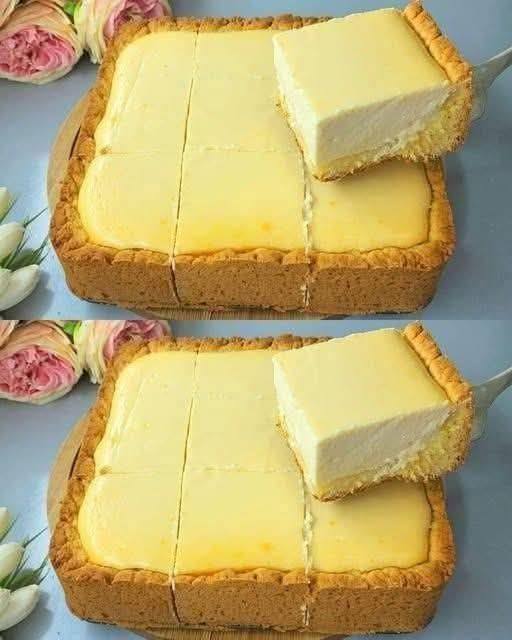
Torta Della Nonna
 Recipe by admin1
A classic Italian custard tart featuring tender lemon-scented shortcrust pastry, rich vanilla pastry cream, toasted pine nuts, and a generous dusting of powdered sugar.
12
servings30
minutes40
minutes323
kcal1
hour2
hours10
minutesIngredients
- Pastry Cream Filling
2½ cups (590 ml) whole milk
2 teaspoons vanilla extract
4 egg yolks
¾ cup (150 grams) granulated white sugar
¼ cup (30 grams) all-purpose (plain) flour
- Crust
2½ cups (300 grams) all-purpose flour, plus extra for rolling
1 teaspoon lemon zest
¾ teaspoon baking powder
Pinch of salt
6 ounces (1½ sticks / 170 grams) cold unsalted butter, cut into small chunks
⅔ cup (130 grams) granulated white sugar
1 egg
1 egg yolk
1 tablespoon pinenuts
- To Finish
Powdered (icing) sugar for dusting
Directions
- Heat the whole milk and vanilla extract in a medium saucepan until the milk just reaches a boil. Remove from the heat and allow it to cool slightly.
- Whisk the egg yolks and granulated sugar together in a medium bowl until the mixture becomes light and creamy. Stir in the flour.
- Gradually whisk the warm milk into the egg mixture, making sure to whisk continuously to prevent lumps.
- Strain the mixture back into the saucepan. Return it to the heat and stir until the pastry cream thickens.
- Allow the mixture to boil for approximately one minute so the flour cooks properly.
- Transfer the pastry cream to a clean bowl. Cover the surface directly with plastic wrap to prevent a skin from forming. Allow it to cool completely.
- Add the flour, lemon zest, baking powder, salt, and cold butter to a food processor.
- Pulse until the mixture resembles breadcrumbs.
- Add the sugar, egg, and egg yolk. Process only until the dough begins to come together around the sides of the bowl.
- Transfer the dough to a work surface and knead very lightly until it forms a cohesive dough. If it is very sticky, add a little additional all-purpose flour.
- Flatten the dough into a thick round, wrap it in plastic wrap, and refrigerate for one hour.
- Combine the flour, lemon zest, baking powder, and salt in a large bowl.
- Cut the cold butter into small pieces and rub it into the dry ingredients with your fingertips until the mixture resembles breadcrumbs.
- Add the sugar, egg, and egg yolk. Mix with a wooden spoon or spatula until the dough begins to come together.
- Transfer the dough to a work surface and knead very lightly until it forms a dough. Add a little all-purpose flour if necessary.
- Avoid overkneading, as this can make the pastry tough.
- Shape the dough into a thick round, wrap it in plastic wrap, and refrigerate for one hour.
- Soak the pinenuts in a small bowl of water.
- Preheat the oven to 350°F/180°C. Grease a 10-inch/25cm tart pan with a removable base using non-stick cooking spray.
- Divide the chilled dough into two portions, keeping one portion larger than the other. Return the smaller portion to the refrigerator.
- Flatten the larger portion into a rough circle and dust it with flour. If it is very cold and hard, gently work it with a rolling pin until it becomes easier to roll.
- Roll the larger portion between two pieces of parchment paper until it is large enough to fit the tart pan.
- Carefully transfer the pastry into the pan. Gently press it into the corners and sides, patching any tears with excess dough if needed.
- Trim the edges level with the top of the pan and reserve any leftover pastry.
- Spoon the completely cooled pastry cream into the crust and spread it into an even layer.
- Roll out the remaining pastry between parchment paper and carefully place it over the pastry cream.
- Press the edges together to seal the tart, then trim away excess pastry.
- Make a small slit in the center of the top crust and brush the surface with water.
- Drain the pinenuts and scatter them over the top.
- Bake for 40 minutes in the preheated oven.
- Allow the tart to cool completely. Carefully remove it from the pan and transfer it to a serving plate.
- Dust generously with powdered sugar and serve at room temperature or chilled.
Nutrition Facts
- Total number of serves: 1
- Calories: 342kcal
- Fat: 15g
- Carbohydrates: 42g
- Fiber: 1g
- Sugar: 24g
- Protein: 6g


