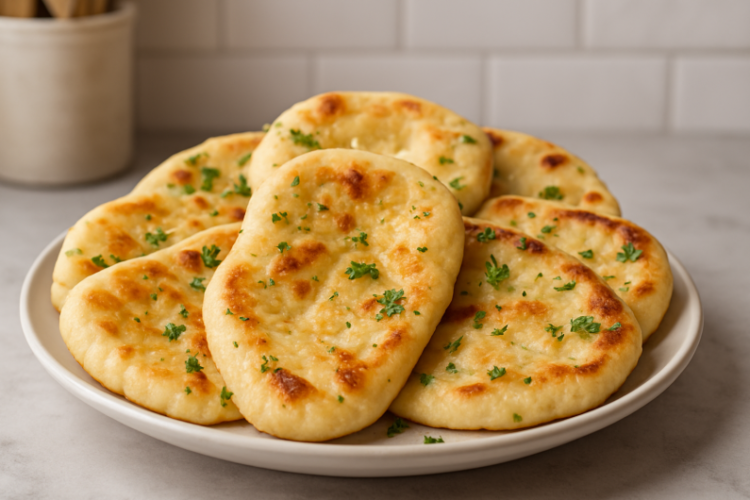
Finding a gluten-free naan recipe that is genuinely soft, flexible, and satisfying can be difficult. Many gluten-free bread recipes look promising at first but end up dry, crumbly, or too dense to fold around your favorite fillings. This homemade gluten-free naan offers a simple solution. It creates a tender, slightly chewy flatbread with attractive golden brown spots and a texture that is much closer to traditional naan than many other gluten-free alternatives.
Another advantage of this recipe is that it is completely yeast-free. There is no need to wait for the dough to rise, prepare a starter, or plan hours ahead. Baking powder provides the lift, while the combination of millet flour, tapioca starch, psyllium husk, yogurt, and olive oil helps create a dough that is soft and workable. From mixing the ingredients to serving warm naan at the table, the entire process can be completed in approximately 45 minutes.
This easy gluten-free naan is useful for busy dinners, quick lunches, family meals, or any time you want fresh homemade flatbread without a complicated baking process. Serve it with creamy curries, rich stews, grilled vegetables, chicken dishes, or soups. You can also use it as a wrap, sandwich bread, or simple side dish. With the right balance of ingredients and a properly heated skillet, this no-yeast naan can puff beautifully and develop the lightly charred spots that make freshly cooked naan so appealing.
Why This Gluten-Free Naan Recipe Works
Traditional naan relies heavily on gluten to create stretch, structure, and chewiness. Gluten allows wheat-based dough to hold together while also trapping air and steam during cooking. When making naan without wheat, those qualities must be recreated with other ingredients. This recipe uses a carefully balanced combination of flour, starch, and psyllium husk to provide structure while keeping the finished bread soft and flexible.
Millet flour gives the dough its main body and contributes a mild, pleasant flavor. Tapioca starch adds elasticity and chewiness, helping prevent the naan from becoming dry or brittle. Whole psyllium husk acts as a natural binder. Once hydrated, it forms a thick gel that helps hold the ingredients together and gives the dough a more elastic texture. This makes the dough easier to shape and allows the naan to remain flexible after cooking.
The result is a soft gluten-free flatbread with a tender center and slightly crisp, golden exterior. When the naan is placed on a hot skillet, moisture inside the dough turns into steam. This can create bubbles and pockets, giving the bread a lighter texture. The combination of proper hydration, even rolling, and the right cooking temperature is what helps this gluten-free naan achieve its appealing appearance and texture.
The Important Role of Psyllium Husk
Psyllium husk is one of the key ingredients in this gluten-free bread recipe. It plays an especially important role because gluten-free flours often lack the natural elasticity found in wheat dough. Without a strong binder, the dough may crack while rolling or fall apart when cooked. Psyllium helps solve this problem by absorbing water and creating a gel-like texture.
When whole psyllium husk is mixed with warm water, it quickly thickens. This gel acts almost like a natural network inside the dough, helping the millet flour and tapioca starch stay connected. The dough becomes more supple and easier to handle, which is important when rolling individual portions into thin rounds or ovals.
Psyllium also helps the naan retain moisture. This is particularly helpful because gluten-free baked goods can sometimes become dry soon after cooking. By improving moisture retention and structure, psyllium contributes to a naan that stays softer and more enjoyable. It also helps trap steam during cooking, which supports the bubbling and puffing that gives homemade naan its characteristic texture.
Whether using whole or powdered psyllium, it is important to use the correct quantity. Too little may result in weak, crumbly dough, while too much can create an overly dense or gummy texture. Following the ingredient measurements carefully will help produce a dough that is smooth, flexible, and easy to shape.
Why Warm Water Makes a Difference
Warm water is another important part of making successful gluten-free naan. It helps hydrate the psyllium husk quickly and allows the gel to develop properly. It also assists the millet flour and tapioca starch in absorbing moisture, producing a dough with a smoother and more consistent texture.
The water should be warm rather than boiling. Extremely hot water can make the dough unpleasant to handle and may negatively affect its final consistency. Water that is too cold may slow the hydration process and prevent the psyllium from forming the ideal gel. Comfortably warm water provides the best environment for the ingredients to come together.
After mixing the psyllium with the warm water, allow a short amount of time for the mixture to thicken. Within about 30 to 45 seconds, it should develop a noticeably gel-like consistency. This simple step creates the foundation for a dough that can stretch, roll, and hold together during cooking.
Proper hydration is one of the most important factors in any gluten-free naan bread recipe. If the dough feels too dry, it may crack around the edges when rolled. If it becomes excessively sticky, it can be difficult to shape. Small adjustments to the amount of water may sometimes be necessary depending on the flour used and the conditions in your kitchen.
Millet Flour and Tapioca Starch for Texture
The combination of millet flour and tapioca starch creates an effective balance between structure and softness. Millet flour provides a slightly earthy, whole-grain character and forms the main base of the dough. It gives the naan enough substance to remain sturdy without making it excessively heavy.
Tapioca starch is equally important because it contributes chewiness and flexibility. This ingredient helps recreate some of the springy texture normally associated with traditional wheat-based naan. It also helps the bread remain softer after cooking, making it easier to tear, fold, or use as a wrap.
Together, these ingredients create a dough that is easier to manage than many single-flour gluten-free doughs. The starch lightens the texture, while the flour provides enough body for shaping and cooking. Brown rice flour can also be used as an alternative to millet flour, although the dough may require a small adjustment in hydration because different flours absorb water differently.
Other starches, such as potato starch or arrowroot, may work in some situations, but tapioca starch provides particularly good elasticity. For the best results, try to maintain the balance between flour and starch rather than making major substitutions without adjusting the liquid ingredients.
Yogurt and Olive Oil Add Softness and Flavor
Plain yogurt or Greek-style yogurt brings moisture, richness, and a mild tang to the dough. This improves both the flavor and texture of the finished naan. Yogurt also helps create a softer interior, making the bread feel less dry and more tender.
Olive oil provides additional richness and tenderness. It helps create a smoother dough and can make the rolling process easier. The oil also contributes to a softer final texture, especially when the naan is served shortly after cooking.
These ingredients work well with the psyllium, flour, and starch mixture. The yogurt adds moisture, while the olive oil helps create a supple dough that does not feel overly dry. Together, they produce a balanced gluten-free flatbread that is flavorful enough to enjoy on its own while still pairing well with strongly seasoned dishes.
How to Make Gluten-Free Naan
The first step is to prepare the psyllium gel. Combine the whole psyllium husk with warm water in a bowl and stir quickly. The mixture should begin thickening almost immediately. Allow it to sit briefly until a thick gel forms. This is an essential part of creating the structure needed for a soft and flexible gluten-free dough.
In a separate large bowl, combine the millet flour, tapioca starch, sugar, baking powder, and salt. Whisk the ingredients thoroughly so the baking powder and salt are evenly distributed throughout the mixture. Even mixing is important because it helps ensure consistent flavor and proper puffing during cooking.
Add the yogurt and olive oil to the prepared psyllium gel and stir until everything is well combined. Pour the wet mixture into the bowl containing the dry ingredients. Use a spatula or wooden spoon to bring the ingredients together, then gently knead the dough with your hands until it becomes smooth and elastic.
The finished dough should feel soft and supple rather than excessively sticky. If it feels too dry, add a small amount of warm water gradually. If it is slightly sticky, use a light dusting of flour while shaping. Avoid adding too much extra flour, as this can make the naan heavier and less tender.
Dividing and Rolling the Dough
Place the dough on a lightly floured surface and divide it into eight equal portions. Shape each portion into a smooth ball. Keep the portions you are not currently using covered so they do not dry out while you work.
Roll each dough ball into a round or oval shape measuring approximately 7 to 8 inches across. Aim for a thickness of around 4 to 6 mm. Rolling the naan evenly is important because uneven areas may cook at different speeds. Sections that are too thin may become dry, while areas that are too thick may not cook through properly.
You can shape the naan into traditional oval forms or keep them round for a simpler appearance. There is no need for perfect shapes. Slightly irregular edges can give homemade naan a more natural and rustic look.
Try not to roll the dough excessively thin. The naan needs enough thickness to trap steam and create bubbles during cooking. At the same time, avoid making it too thick, as this can prevent the center from cooking properly before the outside becomes too dark.
Cooking Naan in a Hot Skillet
A properly heated skillet is essential for achieving the best results. A cast-iron skillet works particularly well because it retains heat and helps create attractive golden brown spots. A good-quality non-stick skillet can also be used.
Heat the skillet over medium-high heat before adding the naan. The surface should be hot enough to create bubbles relatively quickly but not so hot that the bread burns before cooking through. Place one rolled naan onto the dry skillet and allow it to cook for approximately 1 to 2 minutes.
As the naan cooks, small bubbles should begin appearing across the surface. The underside should develop golden brown spots. Once this happens, carefully flip the naan and cook the second side for about another minute. The exact cooking time may vary depending on your skillet and heat level.
If the naan browns too quickly, reduce the heat slightly. If it takes too long to develop color or bubbles, increase the heat carefully. The goal is to create a hot enough surface for proper puffing while allowing the interior to cook without burning the outside.
Finishing, Serving, and Storing
Once each naan is cooked, brush it immediately with melted ghee or butter. This adds extra flavor and helps maintain softness. For a fresh finishing touch, sprinkle the warm naan with chopped parsley or cilantro.
Place the cooked naan inside a clean kitchen towel while preparing the remaining pieces. The towel helps trap gentle steam, keeping the bread warm and soft. This is especially useful when cooking several naan in batches.
This easy gluten-free naan recipe pairs beautifully with curries, soups, stews, grilled meats, roasted vegetables, and many Indian-inspired dishes. It can also be used as a wrap for sandwiches or filled with eggs, vegetables, or leftover chicken for a quick meal.
Store leftover naan in an airtight container for approximately 2 to 3 days. When ready to serve, reheat it in a warm skillet or briefly in the microwave. A light sprinkle of water before reheating can help restore moisture and softness. Refrigeration may cause the bread to dry out more quickly, so room-temperature storage is generally preferable for short-term use.
With its soft texture, simple preparation, and no-yeast method, this homemade gluten-free naan is a practical choice for anyone who wants fresh, flavorful flatbread without a long waiting time. By using the right combination of millet flour, tapioca starch, psyllium husk, yogurt, and olive oil, you can create a flexible and satisfying naan that works for everyday meals and special occasions alike.
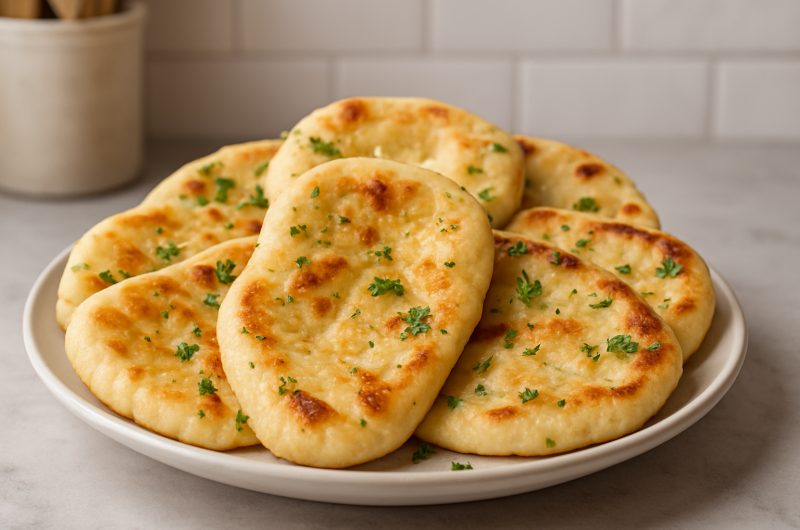
Softest Gluten-Free Naan
 Recipe by admin1
This is perfect for weeknight dinners, or anytime you want a comforting bread without gluten or kneading drama.
8
servings25
minutes20
minutes45
minutesIngredients
20 g (4 tbsp) whole psyllium husk (or 17 g if using psyllium husk powder)
360 g warm water
235 g (1¾ cups) millet flour (or equal weight brown rice flour)
130 g (1 cup + 2½ tbsp) tapioca starch (or substitute cornstarch/potato-starch/arrowroot)
1 tbsp caster/superfine or granulated sugar
1½ tsp baking powder
1 tsp salt
75 g (⅓ cup) unsweetened plain or Greek-style yoghurt (room temperature)
25 g (2 tbsp) olive oil (or sunflower/vegetable oil)
45 g (3 tbsp) ghee or butter, melted (for brushing)
Finely chopped parsley or cilantro (for garnish)
Directions
- In a bowl, mix together the psyllium husk with the warm water. After ~30-45 seconds a gel will form.
- In a separate large bowl, whisk together millet flour, tapioca starch, sugar, baking powder and salt.
- Add the yoghurt and olive oil to the psyllium gel, then pour this mixture into the dry ingredients. Mix with a spoon until the dough starts to come together.
- Knead the dough (by hand or using a mixer with dough hook) until all flour pockets are gone and the dough pulls away from the bowl, with a springy, slightly tacky feel.
- Turn the dough onto a lightly floured surface and shape into a ball. Divide into 8 equal portions (~110 g each). Shape into individual dough balls, cover with a dish towel as you work through them.
- Roll each dough ball on a lightly floured surface into a round or oval shape about 7-8 inches (18-20 cm) in diameter and ⅛-¼ inch (4-6 mm) thick. Dust as needed to avoid sticking.
- Pre-heat a large skillet or cast-iron pan over medium-high heat (water drop should sizzle). Place one rolled naan into the hot pan. Cook ~1-2 minutes until bubbles form and underside is deep golden or slightly charred. Flip and cook for ~1 minute until golden brown. Adjust heat as necessary.
- Immediately brush the cooked naan with melted ghee or butter, sprinkle with chopped parsley or cilantro. Cover with a dish towel to keep warm while you cook the remaining breads.
- Serve warm. Store leftovers in an airtight container for 2–3 days. To re-heat: microwave 30-45 seconds, or heat in a skillet with a splash of water and lid on ~45-60 seconds each side, or warm in a 350°F (180°C) oven for ~3-5 minutes with a little water sprayed to prevent drying.
Notes
- Notes & Substitutions:
If substituting millet flour with sorghum, corn (maize) flour, light buckwheat flour or white teff flour, add ~45-60 g extra warm water to compensate for higher absorption. - If naan isn’t puffing: check dough thickness (shouldn’t be too thin or too thick), check dough moisture (should be soft not dry), check pan heat (too low = no puff, too high = underside burns).
- Enjoy your homemade gluten-free naan — soft, pillowy, flavourful, and no yeast required!


