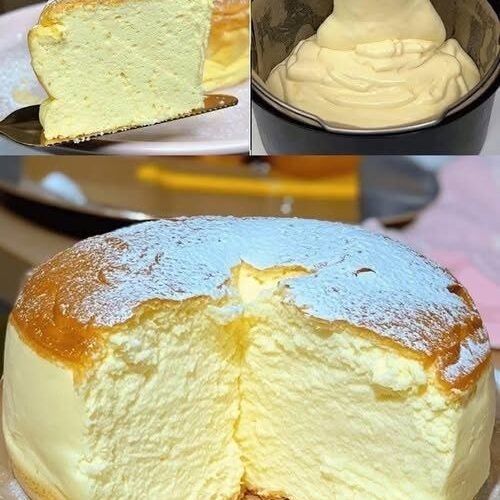
Keto cloud cake is a light and tender dessert made for people who want a sweet treat without the high carbohydrate content of a traditional cake. Instead of regular wheat flour and sugar, this recipe uses almond flour, coconut flour, Greek yogurt, powdered erythritol, eggs, butter, and other simple ingredients. The result is a soft cake with a delicate crumb, gentle vanilla flavor, and rich buttery taste.
A Light Keto Dessert
Many low-carb cakes are known for being heavy, dry, or crumbly, especially when alternative flours are used incorrectly. This keto cloud cake takes a different approach by combining ingredients that provide moisture, structure, and air. The cake stays tender while baking and has a soft texture that makes it enjoyable as an everyday sugar-free dessert or a special occasion treat.
Why Traditional Cakes Are Different
Traditional cakes usually depend on wheat flour and sugar for much of their texture and sweetness. Wheat flour provides a structure that holds the cake together, while sugar contributes sweetness, moisture, and browning. When these ingredients are removed for a keto recipe, the balance becomes more difficult. Alternative ingredients must work together carefully to create a cake that is still soft and satisfying.
The Challenge of Keto Baking
Baking with low-carb ingredients requires a little more attention than making a conventional cake. Almond flour does not behave like wheat flour, while coconut flour absorbs much more moisture. Sugar substitutes can also affect texture and sweetness differently. These differences explain why some homemade keto cakes turn out too dry, dense, or fragile. Getting the balance right is important for a good result.
What Makes This Cake Light
The light texture of this keto cloud cake comes from several ingredients and techniques working together. Butter is beaten with powdered erythritol to incorporate air, while eggs provide structure and additional lift. Baking powder helps the batter rise during baking, and Greek yogurt contributes moisture. Together, these elements help create a cake that feels much lighter than many other low-carb desserts.
The Role of Greek Yogurt
Greek yogurt is an important part of the cake because it provides moisture without making the batter excessively heavy. Its creamy texture helps produce a tender crumb, while its mild tang balances the sweetness of erythritol. Plain, unsweetened Greek yogurt is the best choice for this type of recipe. Flavored yogurt should be avoided because it may contain added sugar or unnecessary sweeteners.
Coconut Yogurt Option
For people who prefer a dairy-free version, coconut yogurt can be used in place of Greek yogurt when appropriate. It provides a creamy texture and moisture that can work well in low-carb baking. Choose plain, unsweetened coconut yogurt and check the label carefully for added sugars. The final flavor may be slightly different, but the cake can still have a soft and pleasant texture.
Why Powdered Erythritol Is Used
Powdered erythritol is useful in this cake because its fine texture blends smoothly with the butter. Granulated erythritol can sometimes leave a noticeable texture in baked goods, while the powdered form distributes more evenly throughout the batter. It also provides sweetness without using regular sugar, which helps keep the recipe suitable for a ketogenic eating plan.
Erythritol and Keto Baking
Erythritol is a popular sugar substitute in low-carb baking because it has very little effect on blood glucose compared with regular sugar. It can provide sweetness without adding the same carbohydrate load found in table sugar. Some people notice a mild cooling sensation when eating erythritol, but the effect is usually less noticeable when it is combined with vanilla, butter, and other ingredients.
Almond Flour for Richness
Almond flour gives the cake a rich texture and mild nutty flavor. It also contributes fat and protein, which can help make the dessert more satisfying. Fine almond flour is preferable because it produces a smoother crumb than coarse almond meal. Using finely ground almond flour helps the finished cake feel more like a traditional soft cake rather than a coarse or grainy baked good.
Coconut Flour for Structure
Coconut flour plays a different role from almond flour. It absorbs moisture efficiently and helps give the cake enough structure to hold together. Because it is highly absorbent, only the required amount should be used. Adding extra coconut flour can make a keto cake dry and crumbly. The balance between almond flour and coconut flour is therefore an important part of the recipe.
Why Both Flours Matter
Using almond flour and coconut flour together gives the cake a better balance than relying on either one alone. Almond flour contributes softness and richness, while coconut flour helps absorb moisture and support the structure. This combination allows the cake to remain tender without becoming too fragile. It is one of the reasons the texture can stay light while still holding together when sliced.
The Importance of Butter
Unsalted butter contributes both flavor and texture to the cake. Its rich taste gives the dessert a familiar bakery-style quality, while its fat content helps keep the crumb tender. Softened butter is especially important because it can be beaten effectively with powdered erythritol. This process helps introduce air into the mixture, which supports the light texture of the finished cake.
Why Unsalted Butter Works Well
Using unsalted butter allows the salt level to be controlled separately. Salt may seem like a small ingredient in a dessert, but it helps balance sweetness and bring out the flavor of vanilla and butter. Using unsalted butter also makes the recipe more consistent because different salted butter brands can contain different amounts of salt.
Eggs Provide Structure
Eggs are essential in this keto cake because they perform several jobs at once. The proteins help create structure as the cake bakes, while the yolks contribute richness and help emulsify the ingredients. Beaten eggs also help incorporate air into the batter. Using the required number of eggs is important because reducing or increasing them can change the texture, rise, and moisture of the cake.
Room Temperature Eggs
Room-temperature eggs usually blend more smoothly with softened butter than cold eggs. They can also incorporate air more effectively during mixing. If the eggs are taken directly from the refrigerator, the cold temperature may cause the butter mixture to become less smooth. Bringing the ingredients closer to room temperature before starting can make the mixing process easier.
Baking Powder Creates Lift
Baking powder provides additional lift as the cake bakes. When exposed to moisture and heat, it produces carbon dioxide bubbles that expand inside the batter. These bubbles help the cake rise and contribute to its airy texture. Fresh baking powder is important because an old or inactive leavening agent can result in a flatter, denser cake.
Vanilla for Balanced Flavor
Vanilla extract gives the cake a warm, familiar flavor that works especially well with butter and sweetener. It does not need to dominate the dessert. Instead, vanilla helps bring the other ingredients together and gives the finished cake a more complete taste. A sugar-free vanilla extract is appropriate when keeping the recipe focused on low-carb ingredients.
Salt Enhances Sweetness
A small amount of salt helps balance the sweetness of the erythritol and makes the other flavors more noticeable. Without salt, a cake can taste overly sweet or somewhat flat. Salt also works with vanilla and butter to create a deeper flavor. The amount should remain controlled because the purpose is to enhance the cake, not make it taste salty.
Preparing the Cake Pan
Proper pan preparation can make a noticeable difference when working with a delicate keto cake. A twenty-two centimeter cake pan should be lined with parchment paper so the cake can be removed more easily after cooling. A prepared pan also helps protect the edges and bottom of the cake from sticking, reducing the chance of damage when it is transferred to a serving plate.
Preheating the Oven
The oven should be fully preheated before the cake goes inside. Baking at the correct temperature from the beginning helps the batter rise properly and cook evenly. An oven that is not hot enough can delay the setting of the cake structure, while an excessively hot oven can brown the outside before the center has finished baking.
Creaming Butter and Erythritol
Creaming the softened butter with powdered erythritol is one of the most important preparation steps. The mixture should be beaten until it becomes lighter and fluffy. During this process, small air bubbles become trapped in the butter. These bubbles can expand during baking and help create the airy texture associated with cloud cake.
Adding Eggs Gradually
Eggs should be added gradually to the butter and erythritol mixture. Adding them one at a time gives each egg enough time to blend into the batter before another is introduced. This helps maintain a smooth mixture and prevents the batter from looking separated. Good emulsification is important because the final cake depends on an even distribution of fat, moisture, and dry ingredients.
Combining the Dry Ingredients
The almond flour, coconut flour, baking powder, and salt should be combined separately before being added to the wet mixture. Whisking these ingredients together helps distribute the baking powder evenly. It also breaks up small lumps and makes it easier to create a smooth batter. This simple step can help the cake rise more evenly during baking.
Adding Greek Yogurt
Greek yogurt should be incorporated carefully so the batter remains smooth. Alternating the yogurt with the dry ingredients can make the mixture easier to combine and prevents the batter from becoming excessively thick. The goal is a uniform batter with no visible pockets of flour or yogurt. Once everything is incorporated, mixing should stop.
Avoiding Overmixing
Overmixing is not helpful once the ingredients have been combined. Excessive mixing can affect the texture and make the finished cake less tender. Mix only until the batter is smooth and the ingredients are evenly distributed. A gentle approach at this stage helps preserve the air incorporated during the earlier creaming and egg-mixing steps.
Spreading the Batter
Once the batter is prepared, transfer it to the lined cake pan and spread it evenly. A spatula can help smooth the surface and distribute the batter from edge to edge. Even thickness is important because it allows the cake to bake at a similar rate throughout the pan. Uneven batter can lead to some sections becoming dry while others remain underbaked.
Baking the Cloud Cake
The cake is baked at approximately 360 degrees F until the surface is lightly golden and the center is properly set. The exact baking time can vary depending on the oven and pan. A toothpick inserted into the center should come out clean or with a few moist crumbs. Avoid relying only on appearance because keto cakes can look finished before the center is fully baked.
Testing for Doneness
The toothpick test is a useful way to check the center of the cake. Insert a clean toothpick into the thickest part of the cake. If it comes out with wet batter, the cake needs more time. A few moist crumbs are acceptable, while a completely clean toothpick usually means the cake has finished baking.
Cooling the Cake
Cooling is an important part of the recipe because the cake continues to set after leaving the oven. Allow it to cool at room temperature before attempting to slice it. A warm keto cake can be more delicate than a traditional cake and may break if handled too soon. Cooling gives the structure time to firm and makes slicing much easier.
Getting the Best Texture
For the softest texture, avoid overbaking and allow the cake to cool naturally. Accurate measurements also matter, particularly with coconut flour. Too much coconut flour can absorb excessive moisture, while too little may leave the cake without enough structure. Following the stated ingredient balance is the safest way to maintain the intended texture.
Choosing the Right Almond Flour
Fine almond flour is generally the better choice for a smooth keto cake. Almond meal contains larger pieces of almond skin and can produce a heavier, rougher texture. If a recipe specifically calls for fine almond flour, using a similar finely ground product can help produce a more delicate crumb and improve the overall appearance of the cake.
Measuring Coconut Flour
Coconut flour should be measured carefully because small differences can affect the final result. Its ability to absorb liquid is much greater than almond flour. Adding too much can make the cake dry, while changing the amount of liquid without adjusting the other ingredients can affect its structure. Accurate measurement is especially important in recipes using coconut flour.
Keto Cloud Cake for Special Occasions
This cake can be used as a low-carb dessert for birthdays, family gatherings, or other occasions when a traditional cake does not fit the menu. Its simple vanilla and buttery flavor makes it easy to serve with different toppings or enjoy on its own. It can also be cut into small portions for a dessert table.
Everyday Sugar-Free Dessert
You do not need a special occasion to make keto cloud cake. It works well as an everyday homemade dessert when you want something sweet without using traditional sugar. Because the flavor is simple, it pairs easily with coffee or tea and can be served as a small afternoon treat or after-dinner dessert.
Storing the Cake
Store the cooled cake in an airtight container to help maintain its moisture and texture. Refrigeration can help extend freshness, especially if the cake includes a dairy-based topping. Keeping it covered prevents the exposed surface from drying out. Allow refrigerated portions to sit briefly before serving if you prefer a softer texture.
Freezing Individual Slices
Individual slices can be wrapped and frozen for later use. Freezing portions separately makes it easier to remove only what you need. Thaw the slices at room temperature rather than heating them aggressively, as excessive heat can affect the delicate crumb. Proper wrapping also helps protect the cake from freezer odors and moisture loss.
Keto Cake Texture After Chilling
A refrigerated keto cake may feel firmer than it does at room temperature because the butter solidifies when chilled. This does not mean the cake has become dry. Allowing a slice to sit for a short time before eating can bring back some of the softer texture and allow the buttery and vanilla flavors to become more noticeable.
Common Baking Mistakes
Several simple mistakes can affect the final result. Using cold butter, skipping the preheating stage, adding too much coconut flour, or overmixing the batter can all change the texture. Overbaking is another common issue because low-carb cakes can lose moisture quickly. Careful measuring and watching the cake near the end of baking can help avoid these problems.
Keeping the Recipe Keto Friendly
To keep the cake appropriate for a keto eating plan, use plain unsweetened yogurt and a suitable powdered erythritol. Avoid flavored yogurt or regular sugar because these can add carbohydrates that are not part of the intended recipe. Checking labels is especially useful when choosing packaged ingredients, since different brands can have different carbohydrate amounts.
Notes for Better Results
Use softened butter, room-temperature eggs, finely ground almond flour, and carefully measured coconut flour. Make sure the oven is fully preheated and the cake pan is lined before the batter is prepared. Mix the batter only until combined, spread it evenly in the pan, and allow the cake to cool completely before slicing.

Keto Cloud Cake
 Recipe by dishes.healthofficialtips.com
This low-carb cake uses almond flour, coconut flour, and Greek yogurt to create an incredibly moist and airy texture while keeping the recipe completely sugar-free.
10
servings15
minutes40
minutes330
kcal55
minutesIngredients
1 cup plain Greek yogurt or coconut yogurt
1½ cups powdered erythritol
1½ cups unsalted butter, softened
½ cup almond flour
1¼ cups coconut flour
1 teaspoon sugar-free vanilla extract
A pinch of salt
16g baking powder
5 large eggs
Directions
- Preheat the oven to 360°F.
- Line a 22cm cake pan with parchment paper.
- In a large bowl, beat together softened butter and powdered erythritol until smooth and creamy.
- Add the eggs gradually while mixing continuously.
- In another bowl, combine coconut flour, almond flour, baking powder, and salt.
- Add the dry ingredients into the wet mixture alternately with the yogurt.
- Mix until fully combined and smooth.
- Stir in the vanilla extract.
- Pour the batter into the prepared cake pan and smooth the top evenly.
- Bake for 35–40 minutes or until a toothpick inserted into the center comes out clean.
- Allow the cake to cool completely at room temperature before slicing.
- Serve and enjoy.
Notes
- Use room-temperature ingredients for best texture.
Avoid overbaking to keep the cake moist and fluffy.
Store leftovers in the refrigerator for freshness.
Top with keto whipped cream or berries if desired.
Nutrition Facts
- Serving Size: 1 g
- Total number of serves: 1
- Calories: 330kcal
- Fat: 32g
- Carbohydrates: 5g
- Protein: 6g


