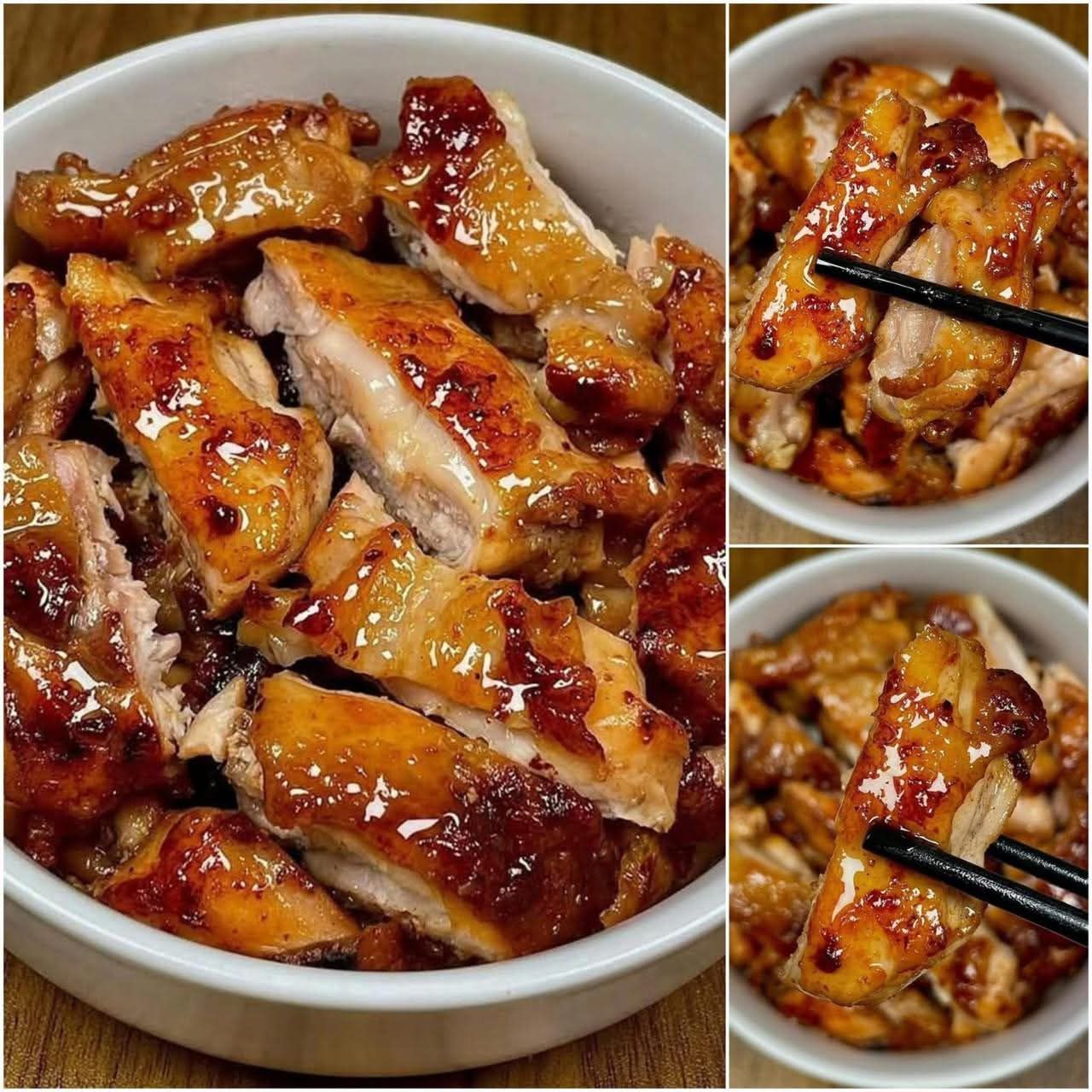
Honey glazed chicken is one of the most comforting and flavorful chicken dishes because it combines sweetness, savory depth, rich caramelization, gentle garlic flavor, and juicy chicken texture in a single meal. The glossy coating created by honey and soy sauce forms a sticky glaze that clings beautifully to every piece of chicken. The result is tender meat with a shiny, flavorful exterior that tastes rich without being overly heavy.
This extremely detailed version explains ingredients, flavor balance, cooking science, texture control, marinades, glaze consistency, caramelization, serving ideas, storage methods, professional restaurant techniques, and many variations. The recipe is designed for beginners and advanced cooks alike.
A successful honey glazed chicken should have:
- Moist and juicy chicken
- Balanced sweet and salty flavor
- Deep golden caramelization
- Smooth glossy glaze
- Rich garlic aroma
- Slight stickiness
- Tender texture
- Beautiful shine
The dish can be served casually with rice or transformed into a restaurant-style centerpiece with vegetables, sesame seeds, and layered sauces.
Yield
- Serves 4 to 6 people
Total Time
- Preparation: 20 minutes
- Marinating: 30 minutes to 8 hours
- Cooking: 25 minutes
- Resting time: 5 minutes
Ingredients
Chicken
- 1 kilogram chicken thighs or chicken breasts
- 1 teaspoon salt
- 1 teaspoon black pepper
- 1 teaspoon paprika
- 1 teaspoon garlic powder
- 1/2 teaspoon onion powder
- 2 tablespoons cornstarch
- 3 tablespoons cooking oil
Honey Glaze Ingredients
- 3/4 cup honey
- 4 tablespoons soy sauce
- 5 garlic cloves, finely minced
- 2 tablespoons butter
- 1 tablespoon ketchup
- 1 tablespoon vinegar or lemon juice
- 1 teaspoon chili flakes
- 2 tablespoons water
- 1 teaspoon cornstarch mixed with 1 tablespoon water
Optional Flavor Enhancers
- Fresh ginger
- Sesame oil
- Brown sugar
- Oyster sauce
- Hot sauce
- Smoked paprika
- Orange zest
- Lemon zest
- Crushed black pepper
- Mustard
- Fresh herbs
Optional Garnishes
- Sesame seeds
- Chopped green onions
- Fresh parsley
- Thin chili slices
- Honey drizzle
- Crushed peanuts
Understanding Honey Glazed Chicken
Honey glazed chicken depends heavily on flavor layering and proper heat control. Honey naturally caramelizes during cooking, creating deep color and shine. Soy sauce adds saltiness and umami while garlic provides warmth and aroma.
The balance between sweetness and savory flavor is extremely important. Too much honey can make the dish cloying while too much soy sauce can overpower the sweetness.
The ideal flavor profile should include:
- Sweetness
- Saltiness
- Mild acidity
- Garlic richness
- Light spice
- Caramel depth
Choosing the Best Chicken
Chicken Thighs
Chicken thighs are preferred because they contain more fat and moisture.
Benefits include:
- Juicier texture
- Better flavor
- Less chance of drying out
- More tender bite
Thigh meat remains soft even after strong caramelization.
Chicken Breast
Chicken breast creates a leaner version.
Benefits include:
- Lower fat content
- Cleaner slices
- Faster cooking
- Firmer texture
However, breast meat can dry out if overcooked.
Bone-In vs Boneless
Boneless Chicken
Most common for glazed dishes because:
- Faster cooking
- Easier coating
- Better glaze coverage
- Easier serving
Bone-In Chicken
Creates deeper flavor but requires:
- Longer cooking
- More heat control
- Careful caramelization
Importance of Drying the Chicken
Moisture on the chicken surface prevents browning.
Patting chicken dry helps create:
- Better searing
- Richer color
- Improved caramelization
- Enhanced texture
Dry chicken develops a superior crust during cooking.
Understanding Cornstarch
Cornstarch plays several important roles.
It helps:
- Create light crispness
- Protect moisture
- Improve browning
- Thicken glaze attachment
A thin coating works best.
Too much cornstarch creates heaviness.
The Role of Honey
Honey is the signature ingredient.
It provides:
- Sweetness
- Gloss
- Caramelization
- Sticky texture
- Rich aroma
Different honey types affect flavor.
Types of Honey
Mild Honey
Creates lighter flavor.
Examples:
- Clover honey
- Wildflower honey
Dark Honey
Creates stronger caramel notes.
Examples:
- Forest honey
- Buckwheat honey
Dark honey creates deeper color and stronger aroma.
Garlic Importance
Garlic balances sweetness and adds savory warmth.
Fresh garlic creates:
- Better aroma
- Stronger flavor
- More freshness
Garlic powder gives smoother flavor while fresh garlic creates stronger impact.
Soy Sauce Function
Soy sauce contributes:
- Saltiness
- Umami
- Color
- Depth
Dark soy sauce creates darker glaze while light soy sauce keeps flavor cleaner.
Acidity Balance
Vinegar or lemon juice prevents excessive sweetness.
Acid helps:
- Brighten flavor
- Balance honey
- Improve complexity
Without acidity, the glaze may taste flat.
Marinating Effects
Marinating improves flavor penetration.
A good marinade helps:
- Tenderize meat
- Increase juiciness
- Improve seasoning consistency
Longer marinating creates stronger flavor but excessive marination may affect texture.
Cooking Surface Selection
Cast Iron Pan
Excellent for:
- Deep browning
- Heat retention
- Strong caramelization
Stainless Steel Pan
Produces:
- Strong fond
- Rich flavor development
Nonstick Pan
Easier cleanup but weaker browning.
Importance of Heat Control
Heat determines texture and glaze quality.
High heat:
- Creates browning
- Risks burning honey
Medium heat:
- Builds glaze safely
- Maintains moisture
Low heat:
- Prevents burning
- May reduce caramelization
Balancing heat is critical.
Understanding Caramelization
Honey caramelizes quickly because of natural sugars.
Proper caramelization creates:
- Golden color
- Sticky texture
- Rich flavor
Burned caramelization creates bitterness.
The ideal glaze should be:
- Amber colored
- Smooth
- Glossy
- Sticky but not hard
Butter in the Glaze
Butter adds:
- Richness
- Smooth texture
- Silky finish
- Better shine
Butter also softens the intensity of soy sauce.
Ketchup Contribution
Ketchup provides:
- Mild sweetness
- Acidity
- Tomato depth
- Better color
A small amount enhances overall balance.
Chili Components
Chili flakes provide contrast to sweetness.
Even mild spice improves flavor complexity.
Possible spicy additions:
- Chili flakes
- Sriracha
- Fresh chilies
- Cayenne pepper
- Hot honey
Texture Goals
Perfect honey glazed chicken should have:
- Moist center
- Sticky surface
- Slight crisp edges
- Smooth glaze
- Tender bite
The glaze should cling evenly without pooling excessively.
Restaurant-Style Finish
Professional kitchens often finish glazed chicken by reducing sauce until it becomes lacquered and shiny.
A proper restaurant-style glaze appears:
- Reflective
- Thick enough to coat spoon
- Smooth
- Deep golden brown
Pairing Ideas
Honey glazed chicken pairs beautifully with many side dishes.
Rice
- Steamed jasmine rice
- Garlic butter rice
- Fried rice
- Coconut rice
Rice absorbs extra glaze very well.
Vegetables
- Roasted broccoli
- Stir-fried vegetables
- Honey carrots
- Green beans
- Bell peppers
Vegetables balance sweetness.
Potatoes
- Mashed potatoes
- Roasted potatoes
- Potato wedges
Creamy potatoes pair especially well with sticky glaze.
Noodle Pairings
Suitable noodle options include:
- Garlic noodles
- Sesame noodles
- Butter noodles
- Stir-fried noodles
Flavor Variations
Garlic Honey Chicken
Extra garlic creates stronger savory flavor.
Lemon Honey Chicken
Lemon adds brightness and freshness.
Orange Honey Chicken
Orange zest and juice create citrus sweetness.
Spicy Honey Chicken
Extra chili creates sweet-heat contrast.
Asian-Style Honey Chicken
Additional ingredients:
- Sesame oil
- Ginger
- Oyster sauce
Smoky Honey Chicken
Smoked paprika adds barbecue-style warmth.
Crispy Honey Chicken Variation
For extra crispiness:
- Coat chicken more heavily in cornstarch
- Fry until crisp
- Add glaze afterward
This creates crunchy exterior with sticky coating.
Oven-Baked Variation
Baking creates lighter texture with less oil.
Benefits:
- Easier cleanup
- Less active cooking
- Even cooking
High oven heat helps caramelization.
Air Fryer Variation
Air fryer cooking creates:
- Crisp edges
- Reduced oil usage
- Fast cooking
The glaze is usually added afterward to preserve texture.
Importance of Resting
Allowing chicken to rest briefly after cooking helps juices redistribute.
Cutting immediately may release moisture too quickly.
Resting creates:
- Better texture
- Improved juiciness
- More stable glaze
Storage Information
Honey glazed chicken stores well because the glaze protects moisture.
Refrigerated texture remains relatively soft.
Refrigeration
Store in airtight container for up to 4 days.
Freezing
Freeze for up to 2 months.
Allow complete cooling before freezing.
Reheating
Gentle reheating is best.
Aggressive heat may burn sugars.
Adding small amounts of water helps loosen glaze during reheating.
Common Mistakes
Burned Glaze
Usually caused by excessive heat.
Honey burns quickly once sugars darken too far.
Dry Chicken
Caused by overcooking.
Chicken breast especially requires careful timing.
Watery Sauce
Caused by insufficient reduction.
The glaze should simmer long enough to thicken naturally.
Weak Flavor
Can result from underseasoning or weak caramelization.
Proper browning develops major flavor depth.
Professional Tips
- Use room-temperature chicken for even cooking.
- Fresh garlic creates stronger aroma.
- Do not overcrowd the pan.
- Allow chicken to brown before turning.
- Simmer glaze slowly.
- Taste sauce before final reduction.
- Add acid to balance sweetness.
- Use medium heat during glazing.
- Let glaze naturally reduce instead of rushing.
- Finish with fresh garnish for contrast.
Serving Presentation
For elegant presentation:
Arrange chicken over rice or vegetables.
Drizzle extra glaze lightly over top.
Add:
- Sesame seeds
- Green onions
- Fresh herbs
A glossy finish improves visual appeal dramatically.
Nutrition Overview
Approximate values per serving:
- Protein: High
- Carbohydrates: Moderate
- Fat: Moderate
- Calories: Approximately 400–600 depending on ingredients and serving size
Final Texture and Flavor
The final dish should have:
- Deep golden shine
- Sticky coating
- Rich savory sweetness
- Juicy chicken interior
- Smooth glossy glaze
- Balanced flavor complexity


