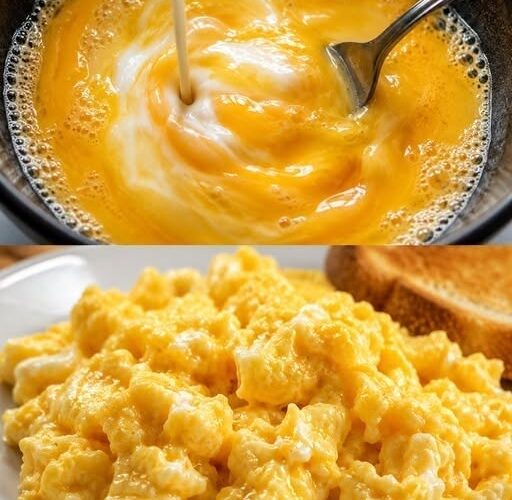
Scrambled eggs are one of the easiest breakfast recipes to make, yet getting the texture just right can take a little practice. These creamy scrambled eggs use only a few everyday ingredients, but the cooking technique makes all the difference. With eggs, heavy cream, sea salt, and butter, you can create soft, fluffy, tender curds that taste far better than ordinary overcooked scrambled eggs. This quick breakfast recipe takes about ten minutes from start to finish, making it ideal for busy mornings, relaxed weekend breakfasts, or a simple brunch at home.
Why This Simple Scrambled Eggs Recipe Works
A great scrambled eggs recipe does not need a long ingredient list. In fact, keeping the ingredients simple allows the natural flavor of the eggs to remain the star of the dish. Heavy cream adds richness and helps create a smooth, creamy texture, while sea salt provides just enough seasoning without overwhelming the delicate flavor. Butter brings a familiar savory richness and helps the eggs cook gently in the skillet. The result is a classic breakfast that feels comforting, satisfying, and surprisingly elegant despite requiring very little preparation.
The Secret to Creamy Scrambled Eggs
The most important part of making creamy scrambled eggs is controlling the heat. Eggs are delicate and can quickly become dry, firm, and rubbery when exposed to excessive heat. Cooking them over medium-low heat gives you much more control and allows soft curds to develop gradually. Instead of rushing the cooking process, gently move the eggs around the skillet as they begin to set. This method produces tender pieces rather than a dry sheet of egg, giving the finished dish the soft texture people look for in restaurant-style scrambled eggs.
Choosing the Right Eggs
Fresh eggs are always a good choice when making scrambled eggs because they provide a clean flavor and pleasant texture. Since this recipe contains only a handful of ingredients, the quality of each component has a noticeable effect on the finished dish. Crack the eggs into a bowl before they reach the skillet so you can whisk them thoroughly and remove any shell fragments. Bringing the eggs together into one smooth mixture also ensures that the cream and salt are distributed evenly throughout every bite.
Why Heavy Cream Is Added
Heavy cream is a small addition that can make scrambled eggs taste richer and feel more luxurious. It contributes a creamy quality to the egg mixture without requiring additional complicated ingredients. The amount used here is intentionally modest, allowing the eggs to remain the main flavor while adding extra softness. Whisk the cream into the eggs until the mixture looks evenly blended before seasoning it. This creates a consistent base that cooks more evenly and helps prevent concentrated pockets of cream or seasoning in the finished eggs.
Seasoning Scrambled Eggs Correctly
Seasoning is another area where simple scrambled eggs can easily go wrong. Too much salt can overpower the natural flavor of the eggs, while too little can leave the dish tasting flat. This recipe uses one-quarter teaspoon of sea salt, giving the eggs a balanced savory flavor. Whisk the salt directly into the egg mixture so it is distributed throughout rather than sprinkled unevenly over the cooked eggs. Because the ingredient list is short, there is no need to compensate with heavy seasoning or numerous spices.
Preparing the Egg Mixture
Begin by cracking the eggs into a bowl and whisking them until the yolks and whites are completely combined. The mixture should look uniform rather than streaky. Add the heavy cream and continue whisking until everything is incorporated. Sprinkle in the sea salt and give the mixture another gentle whisk. This preparation takes only a few minutes, but it is worth doing carefully because a well-mixed egg base helps create consistent color, flavor, and texture once the eggs reach the pan.
Using Butter for Better Flavor
Butter plays an important role in this easy scrambled eggs recipe. It provides the fat needed to help prevent sticking while also contributing a rich, savory flavor. Place the butter in a non-stick skillet and allow it to melt over medium-low heat. The butter should coat the cooking surface without becoming excessively hot or browned. A gentle temperature is especially important because the goal is to cook the eggs slowly enough to develop soft curds without allowing them to become dry before the center has finished cooking.
How to Cook Soft Scrambled Eggs
Once the butter has melted, pour the prepared egg mixture into the skillet. Let the eggs sit undisturbed for a few seconds as they begin to set. Then use a spatula to gently move the edges toward the center. Continue this process periodically, allowing portions of the egg to cook before folding them over. Avoid aggressively stirring or constantly scraping the pan because that can break the eggs into tiny pieces. Gentle movements create larger, softer curds with a pleasant, velvety texture.
The Importance of Medium-Low Heat
Cooking scrambled eggs over medium-low heat may take slightly longer than using high heat, but the difference in texture is worth the extra patience. High heat can cause the outside of the eggs to become firm before the inside has a chance to cook properly. Lower heat gives you time to watch the transformation and remove the skillet at precisely the right moment. For anyone learning how to make scrambled eggs, controlling the temperature is one of the most useful techniques to master.
When to Remove the Eggs From the Pan
One of the biggest mistakes people make with scrambled eggs is waiting until they look completely finished before taking them off the heat. Eggs continue cooking because of residual heat even after the skillet is removed from the burner. For creamy scrambled eggs, stop cooking when they appear almost set but still have a little softness and moisture. Removing them at this stage helps prevent the final texture from becoming dry. The remaining heat will gently finish the cooking process without turning the eggs tough.
Avoiding Dry and Rubbery Eggs
Dry scrambled eggs are usually the result of excessive heat, overcooking, or leaving the eggs in the hot skillet for too long. Fortunately, these problems are easy to avoid. Keep the heat at medium-low, move the eggs gently, and watch their appearance rather than relying only on a timer. Once the curds have formed and the eggs are nearly set, immediately remove the pan from the heat. These simple adjustments can make a dramatic difference in the tenderness of your breakfast.
How to Get Fluffy Scrambled Eggs
Fluffy scrambled eggs depend on both preparation and cooking technique. Thorough whisking helps combine the egg whites and yolks, while the addition of heavy cream contributes to a softer consistency. During cooking, gentle folding rather than vigorous stirring helps preserve the size and shape of the curds. It is also important not to crowd the pan with additional ingredients. With this small recipe, the egg mixture has enough room to cook evenly, giving you soft, attractive curds that are ready to serve in minutes.
What to Serve With Scrambled Eggs
These creamy scrambled eggs are versatile enough to accompany almost any breakfast favorite. They can be served with toasted bread, crispy potatoes, fresh fruit, roasted vegetables, or a simple green salad for a balanced meal. They are also especially good alongside warm buttermilk biscuits and cooked sausages. The buttery biscuits provide a flaky contrast to the soft eggs, while savory sausage adds a hearty element. Whether you are preparing breakfast for yourself or putting together a weekend brunch, these eggs fit easily into a larger meal.
Adding Optional Toppings
The basic recipe is intentionally simple, but optional toppings can be used after cooking if you want to customize your breakfast. Fresh herbs can add color and a fresh flavor, while a light sprinkle of cheese can provide additional richness. If you choose to use cheese, adding it after the eggs have cooked keeps the main egg mixture simple and allows the topping to remain distinct. Avoid adding large amounts of heavy toppings if your goal is to preserve the delicate, creamy texture of the scrambled eggs.
A Quick Breakfast for Busy Mornings
One of the biggest advantages of this recipe is its speed. With approximately five minutes of preparation and five minutes of cooking, you can have a warm breakfast on the table in about ten minutes. That makes these eggs particularly useful on busy mornings when you want something more satisfying than cereal or toast but do not have time for an elaborate meal. The short ingredient list also means you can prepare them without making a special shopping trip, provided you already have basic breakfast staples available.
Making Scrambled Eggs for One or Two People
This recipe yields one to two servings, making it convenient for a small household or an individual breakfast. The modest quantity also allows the eggs to cook evenly in a standard non-stick skillet. If you are serving the eggs as part of a larger breakfast spread, the recipe can be paired with biscuits, sausage, toast, fruit, or other sides. For the best texture, serve the eggs immediately after cooking rather than allowing them to sit in the hot pan or remain uncovered for an extended period.
Notes for Perfect Results
For the creamiest results, pay close attention to the final moments of cooking. Keep the skillet over medium-low heat, and move the eggs gently enough to create soft curds without breaking them apart excessively. Remove the pan from the heat while the eggs still look slightly underdone because residual heat will continue cooking them. If you prefer firmer scrambled eggs, allow them to cook a little longer, but avoid leaving them on the heat until every trace of moisture has disappeared.
Frequently Asked Questions About Scrambled Eggs
Can I make these scrambled eggs without heavy cream?
Heavy cream is part of the original ingredient list and contributes to the creamy texture of this recipe, so it should be retained when following the recipe as written. The small quantity adds richness without making the eggs taste overly heavy. If you are preparing the dish exactly according to the recipe, combine the heavy cream thoroughly with the eggs before adding the sea salt and cooking the mixture in butter.
Why are my scrambled eggs watery?
Watery scrambled eggs can happen when the eggs are cooked too quickly or when they are removed before enough of the mixture has set. In this recipe, medium-low heat provides greater control and allows the eggs to cook gradually. Continue gently folding the mixture until soft curds form, then remove the skillet just before the eggs become completely firm. This approach helps retain moisture without leaving the eggs excessively loose.
Why did my scrambled eggs become rubbery?
Rubbery scrambled eggs are most often caused by overcooking. Eggs become firmer as their proteins continue to set, and excessive heat accelerates that process. To avoid this, use medium-low heat and remove the eggs from the skillet while they are still slightly soft. The residual heat will finish the cooking. Avoid keeping the pan on the burner simply because the eggs do not yet look completely dry or firm.
Should scrambled eggs be stirred constantly?
Constant stirring is not necessary for this recipe. In fact, gently moving the eggs periodically is a better approach because it allows soft curds to form. Use a spatula to draw the cooked edges toward the center and fold the mixture gently. Giving the eggs brief moments of contact with the skillet helps them set while maintaining a soft texture. Excessive agitation can produce very small curds and make the finished eggs less appealing.
What is the best pan for scrambled eggs?
A non-stick skillet is an excellent choice because it makes it easier to move the eggs gently without sticking. The smooth surface also allows the butter to coat the pan evenly. A skillet with enough room for the egg mixture to spread into a shallow layer is preferable to a very small pan. The goal is to give the eggs space to cook evenly while allowing you to use a spatula comfortably.
Serving These Eggs Fresh
Scrambled eggs are at their best immediately after cooking. Their texture is softest and creamiest when transferred directly from the skillet to the serving plate. Leaving them in the warm pan can cause them to continue cooking and gradually become firmer. For a complete breakfast, serve the eggs with your favorite sides as soon as they are ready. A simple plate of creamy eggs, warm biscuits, and savory sausage can turn this quick recipe into a satisfying and comforting morning meal.

Fluffy Scrambled Eggs
 Recipe by admin1
These creamy scrambled eggs are a quick and easy breakfast made with eggs, heavy cream, sea salt, and butter. Cooking the eggs gently over medium-low heat creates soft, tender curds with a rich and creamy texture. Serve immediately with breakfast favorites such as biscuits, sausage, toast, or fresh herbs.
1-2
servings5
minutes5
minutes10
minutesIngredients
2 eggs
2 teaspoons heavy cream
1/4 teaspoon sea salt
1/2 tablespoon butter
Directions
- Crack the eggs into a mixing bowl. Whisk thoroughly until the yolks and whites are completely combined and the mixture looks uniform.
- Add the heavy cream to the beaten eggs. Continue whisking until the cream is evenly incorporated and the mixture becomes smooth.
- Sprinkle the sea salt into the egg mixture. Whisk once more so the seasoning is distributed evenly throughout the eggs.
- Place a non-stick skillet over medium-low heat. Add the butter and allow it to melt completely, gently coating the cooking surface.
- Pour the prepared egg mixture into the skillet. Leave it untouched for a few seconds, allowing the bottom and edges to begin setting.
- Using a spatula, gently move the cooked edges toward the center of the skillet. Continue this motion periodically rather than stirring constantly.
- Allow soft curds to form while continuing to cook over medium-low heat. Watch the texture carefully and avoid cooking the eggs until they become completely firm.
- Remove the skillet from the heat when the eggs are almost fully set but still appear slightly soft. The residual heat will continue cooking them.
- Transfer the scrambled eggs to a serving plate immediately to prevent continued cooking in the hot skillet.
- If desired, finish with fresh herbs or a sprinkle of cheese before serving.
Notes
- Nutritional values can vary depending on the exact brands and measurements used. For the most accurate nutrition information, calculate the recipe using the specific eggs, heavy cream, butter, and sea salt used in your kitchen.


