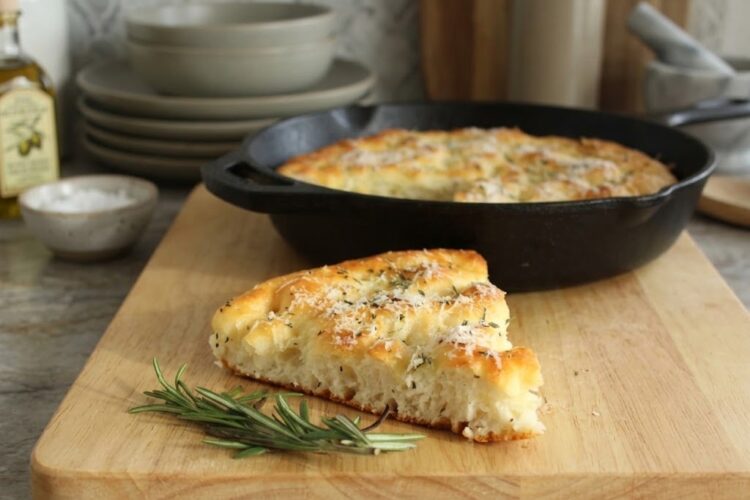
Gluten-free focaccia bread is a wonderful choice when you want homemade bread with a crisp, golden crust and a soft, airy center. This Italian-inspired flatbread is rich with olive oil, fragrant rosemary, sea salt, and freshly grated Parmigiano Reggiano. The dough is easy to prepare with a gluten-free bread flour blend, and after rising, it bakes into a beautifully textured focaccia that works equally well as a side dish, snack, or sandwich bread.
One of the best things about homemade gluten-free focaccia is its contrast of textures. The surface becomes lightly crunchy and golden while the inside stays tender and pleasantly airy. Olive oil gives the bread a rich flavor and helps create the characteristic crisp bottom that makes focaccia so satisfying. Rosemary adds an earthy herbal aroma, while sea salt and Parmesan provide small bursts of savory flavor throughout the crust.
What Makes This Gluten-Free Focaccia Special
Traditional focaccia is a simple Italian flatbread, but making a gluten-free version requires a slightly different approach to dough texture. Gluten normally provides elasticity and structure, while gluten-free bread relies on the flour blend and mixing process to create a workable dough. This recipe uses a gluten-free bread flour blend and a generous amount of liquid, producing a soft dough that becomes light and tender after baking.
The dough does not need to be kneaded like conventional wheat bread. Instead, it is mixed thoroughly with a stand mixer or handheld mixer for about five minutes. This helps distribute the ingredients evenly and develops the structure needed for a good gluten-free focaccia. Once mixed, the dough rests in a warm, draft-free place until it doubles in volume, giving the yeast enough time to create the air pockets that contribute to the finished bread’s light texture.
The Flavor of Rosemary and Olive Oil
Rosemary is one of the most familiar flavor combinations associated with focaccia. Fresh chopped rosemary releases a wonderful aroma as it bakes, especially when it is scattered over a surface coated with olive oil. The herb brings a slightly pine-like, earthy flavor that complements the richness of the bread without overpowering it.
Extra virgin olive oil is equally important. Rather than being used only as a topping, olive oil coats the skillet and the dough, helping produce the crisp edges and flavorful bottom associated with good focaccia. The oil also contributes to the bread’s tender texture. When combined with rosemary, sea salt, black pepper, and Parmesan, it creates a simple topping with plenty of character.
How to Make Gluten-Free Focaccia Dough
Start by weighing the gluten-free bread flour blend into a large mixing bowl. Add the granulated sugar, kosher salt, and rapid-rise yeast, then whisk everything together. Weighing the flour is especially useful when making gluten-free bread because small differences in flour quantity can affect the consistency of the dough and the final texture of the bread.
Next, use a stand mixer fitted with a beater blade or a handheld mixer. Begin mixing on low speed while slowly adding the milk and melted butter. Once the liquid has been incorporated, increase the mixer to medium speed and continue beating for approximately five minutes. The resulting dough will be much softer and wetter than conventional wheat-based bread dough, so there is no need to add extra flour simply because it does not resemble traditional bread dough.
Let the Dough Rise Properly
After mixing, cover the bowl securely with plastic wrap. Place it somewhere warm and free from drafts and allow the dough to rise until it has doubled in volume. This first rise takes approximately two hours, although the exact timing can vary depending on the temperature of the room and the activity of the yeast.
Allowing enough time for the dough to rise is one of the most important parts of preparing gluten-free focaccia. A properly risen dough will have more volume and a lighter texture after baking. If your kitchen is particularly cool, the dough may need additional time. On the other hand, a warm kitchen can speed up the process, so judging the dough by its volume is more useful than relying only on the clock.
Preparing the Skillet
A 12-inch cast iron skillet is an excellent choice for this focaccia because it distributes heat well and helps create a deeply golden crust. Begin by pouring approximately 2 to 3 tablespoons of extra virgin olive oil into the bottom of the skillet. The oil should coat much of the cooking surface so the dough can bake directly against it.
If you do not have a cast iron skillet, an oven-safe skillet or shallow baking pan can also work. The important consideration is the thickness of the dough. A smaller pan will make a thicker loaf and may require additional baking time, while a larger pan will spread the dough more thinly and may cook more quickly. Watching the color and texture of the bread is therefore important when using a different pan.
Shaping the Focaccia
Once the dough has completed its first rise, place half of it into the prepared skillet. Add another 2 to 3 tablespoons of olive oil over the dough. Instead of rolling or kneading it, use your fingertips to gently press and spread the dough toward the edges of the skillet.
The familiar dimples across the surface are an important feature of focaccia. Pressing your fingertips gently into the dough creates small pockets where olive oil can collect during baking. These indentations also give the bread its classic appearance. Work gently and avoid pressing all the air out of the dough that developed during the rising process.
After shaping, cover the skillet and allow the dough to rise again for approximately 30 minutes. The dough does not need to double during this second rise. It should simply become slightly larger and look somewhat puffed before it goes into the oven.
Adding the Focaccia Topping
Before baking, sprinkle the surface with chopped fresh rosemary, sea salt, cracked black pepper, and freshly grated Parmigiano Reggiano. These ingredients create a savory topping that becomes fragrant and lightly crisp in the oven.
The sea salt is particularly useful because it gives the focaccia occasional bursts of flavor rather than making every bite taste equally salty. Fresh rosemary provides a stronger aroma than dried rosemary, while Parmigiano Reggiano adds a nutty, savory finish. Cracked black pepper brings a mild warmth that balances the richness of the olive oil and cheese.
Baking Gluten-Free Focaccia
Preheat the oven to 400 degrees. Once the oven has reached temperature and the focaccia has completed its second rise, place the skillet inside and bake for approximately 25 to 30 minutes. The finished bread should have a golden-brown top and a nicely cooked crust.
Because pans and ovens vary, the exact baking time may differ. A thicker focaccia generally requires more time, while a thinner focaccia may finish sooner. Look for a well-browned surface and a firm, baked appearance. If you change the size of the skillet or pan, adjust the baking time accordingly rather than following the original timing blindly.
How to Serve Gluten-Free Focaccia
This gluten-free focaccia is delicious served warm alongside pasta, soup, salads, or other Italian-inspired meals. Its crisp crust makes it especially enjoyable when served shortly after baking. You can cut it into squares or slices and place it in a bread basket for a simple side dish.
Another excellent use is as sandwich bread. Once the focaccia has cooled enough to handle, slice a piece horizontally and fill it with your favorite sandwich ingredients. The soft interior provides a substantial base while the olive-oil-rich crust adds extra flavor. Because focaccia is naturally wider and flatter than conventional bread, it can also be cut into smaller portions for individual sandwiches.
Making Two Focaccia Loaves
The complete dough recipe makes two 12-inch focaccia loaves. This is convenient if you want to bake one loaf immediately and save the remaining dough for another day. You can also prepare the entire batch and use it to make one large focaccia instead.
For two smaller loaves, divide the dough evenly between two suitable pans. Prepare each pan with olive oil and follow the same shaping, rising, topping, and baking process. Dividing the dough also gives you flexibility to experiment with different toppings while keeping the basic bread recipe unchanged.
Making One Large Focaccia
For a larger single focaccia, the full amount of dough can be spread into a large half-sheet pan. Work the dough gently toward the edges of the pan and use your fingertips to create the characteristic dimples across the surface.
When making one large loaf, the amounts of olive oil, rosemary, sea salt, cracked black pepper, and Parmigiano Reggiano used for the topping should be doubled as specified in the original recipe. Spread the dough evenly and bake according to the directions, keeping an eye on the bread as the thickness and pan dimensions can affect the cooking time.
Gluten-Free Focaccia for Meal Planning
Homemade gluten-free focaccia can be useful for meal preparation because the baked bread can be kept for several days when properly wrapped. This makes it practical for lunches, dinners, and quick snacks throughout the week. Instead of buying packaged gluten-free bread, you can prepare a flavorful homemade loaf that works in several different ways.
The bread can also be frozen for longer storage. If you make more focaccia than you expect to eat within a few days, freezing the extra portion can help preserve it for later use. Wrap it well before freezing and use it within the recommended storage period of up to two months.
Using Dairy-Free Alternatives
Although this recipe contains milk, butter, and Parmigiano Reggiano, the dough can be adapted for a dairy-free approach using the substitutions provided in the original recipe. Dairy-alternative milk, such as soy or almond milk, can replace the milk, while a butter alternative such as Earth Balance can be used in place of butter.
Another option specified in the original recipe is replacing the butter in the dough with an equal amount of olive oil. Keep in mind that this substitution changes the flavor slightly. If the cheese topping also needs to be avoided, the Parmigiano Reggiano would need to be omitted rather than replaced with an ingredient that was not included in the original recipe.
Choosing the Right Pan
The pan you use has a noticeable effect on gluten-free focaccia. A 12-inch cast iron skillet produces a substantial loaf with a satisfying crust, but other oven-safe skillets and shallow pans can also be used. The key is understanding that changing the pan size changes the thickness of the dough.
If the pan is smaller than 12 inches, the dough will be thicker and should generally require a longer baking period. If the pan is larger, the dough will spread more thinly and can cook faster. This simple adjustment helps prevent the center from remaining underbaked while the surface becomes too dark.
Keeping the Focaccia Light and Airy
For a light and airy gluten-free focaccia, avoid treating the dough like traditional wheat bread. The mixture is supposed to be soft, and adding extra flour can make the finished bread heavier and drier. The five-minute mixing period, followed by the first rise and short second rise, provides the structure and volume needed for a pleasant crumb.
Gentle handling after the first rise also matters. When spreading the dough in the skillet, use your fingertips rather than aggressively kneading or flattening it. The goal is to spread the dough while preserving as much of its developed airiness as possible. The dimples should be made gently across the surface.
Why Olive Oil Matters
Olive oil performs several jobs in this recipe. It helps prevent the focaccia from sticking to the pan, encourages a crisp bottom crust, adds richness, and contributes to the classic flavor of Italian-style focaccia. Some of the oil is placed underneath the dough, while more is added over the surface before the dough is spread.
Extra virgin olive oil also pairs naturally with rosemary and Parmesan. As the bread bakes, the oil carries the aromas of the herbs and helps create a fragrant, golden exterior. For the best flavor, use the specified extra virgin olive oil rather than drastically reducing the amount.
Notes for the Best Results
The dough can be used immediately after the first rise, or it can be refrigerated for up to seven days according to the recipe instructions. Refrigerating the dough provides flexibility when you want to prepare it ahead of time. If you choose to refrigerate it, keep it properly covered and follow the recipe’s instructions when you are ready to shape and bake it.
Remember that the full dough recipe produces two 12-inch focaccia loaves, so you do not need to bake everything at once. The amount you use in each skillet will affect the final thickness. When adapting the recipe to another pan, pay attention to the thickness of the dough and adjust the baking time accordingly.
Frequently Asked Questions
Can I use a different pan for gluten-free focaccia?
Yes. A 12-inch cast iron skillet is recommended, but the recipe specifically allows an oven-safe skillet or shallow pan. The main adjustment is baking time. Smaller pans make thicker focaccia and generally require longer baking, while larger pans make thinner bread and generally require less time.
Can I make the focaccia ahead of time?
Yes. The dough can be refrigerated for up to seven days after its initial rise. The baked bread can also be wrapped and kept at room temperature for a few days. For longer storage, the bread can be frozen for up to two months.
Can I make one large focaccia instead of two?
Yes. The complete dough recipe can be used to make one large focaccia in a half-sheet pan. The topping quantities of olive oil, rosemary, sea salt, pepper, and Parmigiano Reggiano should be doubled as specified in the original instructions.
What herbs can be used instead of rosemary?
Rosemary is the traditional herb highlighted in this recipe, but the original instructions allow you to substitute a favorite herb or leave the herb out altogether. Choose an herb that complements the rest of your meal if you decide to make a variation.
How should I serve gluten-free focaccia?
Serve it warm as a side with pasta or other meals, or slice it horizontally and use it as sandwich bread. Its crisp crust and soft interior make it suitable for both simple side servings and more substantial sandwiches.
Gluten Free Focaccia Bread
 Recipe by admin1
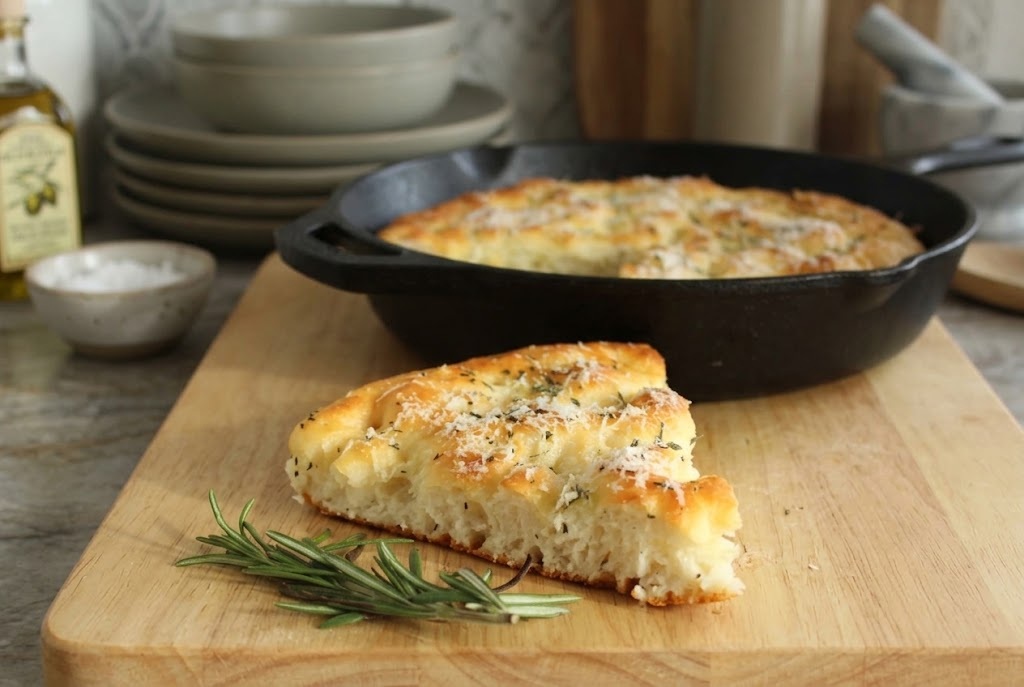
A light and airy gluten-free focaccia with a crisp golden top and bottom crust, flavored with extra virgin olive oil, fresh rosemary, sea salt, cracked black pepper, and freshly grated Parmigiano Reggiano.
2
servings5
minutes30
minutes2
hours2
hours35
minutesIngredients
3¼ cups (455 g) Kim’s gluten free BREAD flour blend
1 tbsp plus 1 teaspoon (29 g) granulated sugar
2 teaspoon kosher salt
2 teaspoon rapid rise (instant) yeast
2½ cups (600 ml) milk
4 tablespoon butter, melted
about ¼ cup extra virgin olive oil
2 tablespoon chopped fresh rosemary
1 teaspoon sea salt
2 tablespoon freshly grated Parmigiano Reggiano
cracked black pepper to taste
Directions
- Place the gluten-free bread flour blend, granulated sugar, kosher salt, and rapid-rise yeast in a large mixing bowl. Whisk the dry ingredients together until evenly combined.
- Using a stand mixer with the beater blade or a handheld mixer, begin mixing on low speed. Slowly pour in the milk and melted butter.
- Increase the mixer speed to medium and beat the mixture for approximately 5 minutes.
- Cover the bowl with plastic wrap and place it in a warm, draft-free location. Let the dough rise until it has doubled in volume, which should take about 2 hours.
- After rising, the dough can be used immediately or refrigerated for up to 7 days.
- Pour approximately 2–3 tablespoons of extra virgin olive oil into the bottom of a 12-inch cast iron skillet.
- Place half of the dough into the oiled skillet. Pour another 2–3 tablespoons of olive oil over the dough.
- Using your fingertips, gently dimple the dough and spread it toward the sides of the skillet or pan.
- Cover the dough and let it rise again for approximately 30 minutes. It should become slightly larger but does not need to double.
- Preheat the oven to 400°F.
- Once the dough has risen, scatter the chopped fresh rosemary, sea salt, cracked black pepper, and freshly grated Parmigiano Reggiano over the surface.
- Bake for approximately 25–30 minutes, or until the focaccia is golden brown.
- Serve warm with pasta, or slice the focaccia horizontally and use it as sandwich bread.
Notes
- A 12-inch cast iron skillet is recommended, but an oven-safe skillet or shallow pan can also be used.
- A smaller skillet makes thicker focaccia and may require a longer baking time.
- A larger skillet produces thinner focaccia and may require a shorter baking time.
- The full dough recipe makes two 12-inch focaccia loaves, or one large focaccia in a half-sheet pan.
- For one large focaccia, double the amounts of olive oil, rosemary, sea salt, pepper, and cheese for the topping and spread the dough to the edges of a large half-sheet pan.
- The baked bread can be wrapped and kept at room temperature for a few days.
- The bread can be frozen for up to two months.
- For a dairy-free version, the supplied recipe specifies dairy-alternative milk such as soy or almond milk and a butter alternative such as Earth Balance. The butter can also be replaced with an equal amount of olive oil in the dough, although this changes the flavor slightly.


