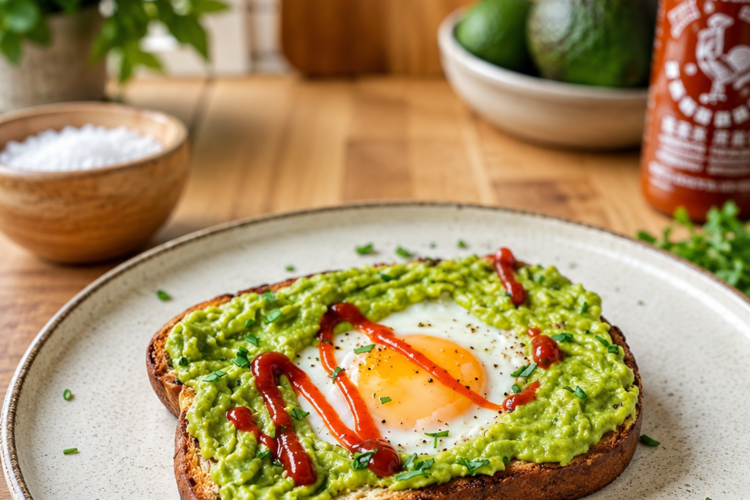
Easy egg toast is one of those simple breakfast recipes that proves you do not need a long ingredient list or complicated cooking method to make a satisfying meal. With just a slice of whole grain bread, butter, an egg, seasoning, and optional cheddar cheese, you can prepare a warm and filling breakfast in about 15 minutes.
Instead of using a skillet, this recipe uses a toaster oven, making it especially convenient when you want an easy egg breakfast without standing over the stovetop.
Why You’ll Love This Easy Egg Toast
This easy egg toast recipe is designed for busy mornings when you want something homemade without spending a lot of time in the kitchen.
The preparation takes only a few minutes, and the toaster oven handles the cooking. That makes this baked egg toast a practical choice for breakfast, a quick lunch, or even a light evening meal when you want something warm and comforting without preparing a full dish.
A Simple Twist on Egg in a Hole
If you are familiar with egg in a hole, you will recognize the idea behind this recipe immediately. Traditional egg in a hole usually involves cutting an opening in the center of a bread slice and cooking the bread and egg together in a skillet. This version takes a different approach by pressing down the center of the bread instead of cutting it. The indentation creates enough space to hold the egg while keeping the bread intact.
Using a toaster oven also changes the cooking experience. There is no need to heat a skillet, monitor the bread constantly, or flip the toast. Once the bread has been prepared and the egg has been added, everything can bake together. This makes the recipe particularly useful for people who enjoy simple toaster oven recipes and want an alternative to traditional stovetop breakfast dishes.
Why Whole Grain Bread Works Well
Whole grain bread provides a sturdy base for this baked egg toast. Because the bread needs to hold the egg without tearing, a slice that is at least ½-inch thick works best. A thicker slice gives you enough surface area to create a well in the middle while maintaining a firm outer edge. The bread also becomes pleasantly crisp as it bakes, creating a nice contrast with the soft egg.
The texture of the bread is important because a very thin or delicate slice can become difficult to handle after the center has been pressed down. If the bread tears, the egg may leak through the bottom and spread onto the pan. Taking a few seconds to create the well gently rather than pressing aggressively helps keep the bread intact and makes the final toast easier to serve.
Preparing the Bread for the Egg
The first preparation step is to create a shallow well in the center of the bread. You can use your fingertips or the back of a spoon to gently press down the middle. The goal is not to flatten the entire slice but to create a small recessed area where the egg can sit securely. Leave the outer portion of the bread raised so it can help contain the egg while everything cooks.
Once the well has been created, lightly butter both sides of the bread. Butter adds flavor and helps the toast develop a golden, crisp surface during baking. Since the bread is placed directly into the pan, buttering both sides also contributes to a more evenly toasted result. Handle the bread carefully after buttering so the center well remains intact.
How to Bake Egg Toast in a Toaster Oven
For this recipe, the toaster oven should be preheated to 400°F with the cooking rack positioned at the bottom placement. Preheating is important because it allows the bread and egg to begin cooking at the intended temperature as soon as they enter the oven. A properly heated toaster oven also helps the bread toast while the egg gradually sets in the center.
After the prepared bread is placed on the pan, crack the egg carefully into the center well. It is helpful to crack the egg close to the bread so the shell does not cause the egg to spill beyond the edges. If you prefer a more hard-cooked yolk, gently poke the yolk with a fork before baking. This simple adjustment gives you more control over the final texture.
Getting the Egg Doneness You Like
Egg doneness is one of the most flexible parts of this recipe. Some people prefer a yolk that remains soft and creamy, while others enjoy a firm, fully cooked yolk. Because toaster ovens differ in their heating patterns and because eggs can vary slightly in size, the cooking time should be treated as a guide rather than an absolute rule.
The egg toast generally takes about 8 to 13 minutes to bake, but checking the egg after approximately 7 minutes is a good approach. From there, continue cooking until the white is set and the yolk reaches your preferred consistency. Watching the egg toward the end of cooking is particularly useful if this is your first time making baked egg toast in your toaster oven.
Adding Cheddar Cheese for Extra Flavor
Shredded cheddar cheese is optional, but it adds a delicious savory element to the toast. Instead of placing the cheese directly over the egg, sprinkle it around the edge of the bread. This allows the egg to remain visible in the center while the cheese melts and becomes golden around the outside. The combination of crisp bread, melted cheddar, and baked egg makes the toast more substantial and flavorful.
If you prefer a simpler egg toast, you can leave out the cheese entirely. The bread, butter, egg, salt, and pepper already provide enough flavor for a satisfying breakfast. Keeping the cheese optional also means you can prepare the basic recipe according to your preference and add different toppings after baking.
Seasoning the Toast
Salt and pepper are all you need to season this recipe, but they make a noticeable difference. A small amount of seasoning brings out the flavor of both the egg and the toasted bread. Since cheddar cheese can also contribute saltiness, it is a good idea to season according to your taste rather than adding a large amount at once.
For a stronger flavor, you can finish the cooked egg toast with hot sauce or fresh herbs. These additions are especially useful when you want to make the same basic recipe feel different from one day to another. The important thing is to keep the core preparation simple so the egg and toast remain the main components of the dish.
Easy Toppings for Egg Toast
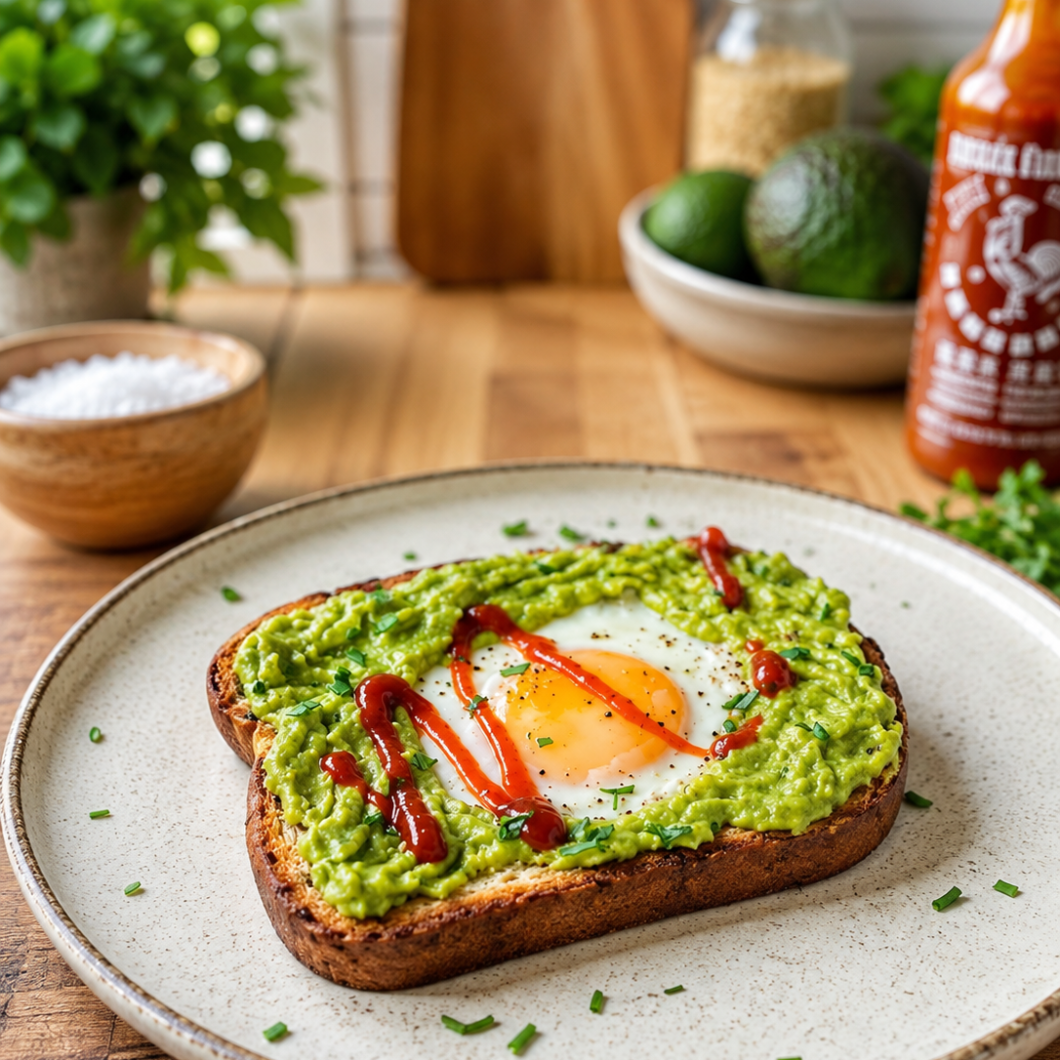
One of the best features of this easy egg toast is how well it works with additional toppings. Mashed avocado is a natural choice because its creamy texture pairs well with the crisp toast and baked egg. A little hot sauce can add heat, while fresh herbs can provide a lighter, fresh finish. These toppings can be added after baking so their flavor and texture remain distinct.
Pesto is another option for anyone who enjoys a strong herb and garlic flavor. Pico de gallo can add freshness and a little acidity, while leftover roasted vegetables can turn a simple piece of egg toast into a more substantial meal. You do not need to use all of these toppings at once. Choosing one or two is usually enough to change the character of the finished toast.
Making Breakfast Without a Stovetop
A major benefit of this recipe is that it does not require a stovetop. Traditional egg toast or egg in a hole is commonly prepared in a skillet, but the toaster oven method allows the bread and egg to cook together in one place. This can be convenient when you are looking for a quick breakfast recipe and prefer not to use a frying pan.
The toaster oven approach also reduces the amount of active cooking involved. Once the egg has been added and the toast is placed in the oven, you simply monitor the cooking process and adjust the time according to the egg’s doneness. This makes the recipe suitable for mornings when you want a warm breakfast but do not want a complicated cooking routine.
How to Keep the Egg From Leaking
Creating the center well carefully is the most important step for preventing the egg from leaking. The indentation should be deep enough to hold the egg but should not tear through the bread. Pressing too hard can create a hole, especially when using softer bread. Instead, work gradually with your fingertips or the back of a spoon until you have a suitable depression.
The thickness of the bread also matters. A slice that is at least ½-inch thick provides a stronger foundation for the egg. If the bread does develop a small tear, you may be able to reposition it carefully before adding the egg. Taking your time during this short preparation step can make a significant difference in how neatly the finished toast turns out.
Butter Alternatives
Butter provides a rich flavor and helps the bread toast nicely, but it is not the only option. If you prefer not to use butter, the bread can be lightly brushed or sprayed with olive oil. This gives the bread some added moisture and can help promote browning during baking while keeping the recipe simple.
For a completely butter-free and oil-free approach, the bread may be more likely to stick to the pan. In that situation, lining the pan with something such as a silicone baking mat can help. The main goal is to make sure the toast can be removed easily after baking without damaging the bread or spilling the cooked egg.
How to Serve Easy Egg Toast
Freshly baked egg toast is best served while it is still warm. The bread has its most appealing texture immediately after cooking, with a toasted exterior surrounding the baked egg. You can serve the toast by itself for a very simple breakfast or pair it with fruit, a small salad, roasted vegetables, or another favorite breakfast side when you want a more complete meal.
For a quick lunch, the toast can be served with avocado or vegetables to make it feel more substantial. Because the recipe produces one toast, it can also be scaled for multiple people by preparing additional slices. When making several servings, keep in mind that toaster oven capacity and cooking performance can affect how quickly each portion cooks.
Choosing the Right Egg
A large egg weighing about 50 grams outside the shell is specified for this recipe. Using an egg of approximately this size helps keep the proportions balanced between the bread and the center well. A much larger egg could overflow the indentation, while a smaller egg may not cover the center as evenly.
When cracking the egg into the bread, do so carefully and check that the white remains within the recessed area. If some egg white reaches the edge of the bread, that is not necessarily a problem, but keeping most of the egg inside the well makes the finished toast easier to handle and gives it a cleaner appearance.
Making the Yolk Softer or Firmer
The final texture of the yolk is largely determined by cooking time. For a softer yolk, begin checking the toast early and remove it once the egg white is properly set and the yolk has reached the consistency you enjoy. For a firmer yolk, allow the toast to remain in the toaster oven longer, checking periodically until it is fully cooked.
If you want a more hard-cooked yolk, gently poking the yolk with a fork before baking can help it cook more thoroughly. Because every toaster oven behaves differently, the exact timing can vary. The safest approach for getting your preferred result is to check the toast after about 7 minutes and then add cooking time gradually.
Easy Egg Toast for Busy Mornings
A 15-minute breakfast can make a real difference on busy mornings. This recipe requires only about 5 minutes of preparation before the toaster oven does the remaining work. There is no complicated batter, no separate pan for frying the egg, and no long list of ingredients to measure. The short preparation makes this one of those recipes that can easily fit into a busy breakfast routine.
It can also be useful when you have limited ingredients in the kitchen. Bread, eggs, butter, salt, and pepper are straightforward staples, while cheddar cheese and toppings can be treated as optional extras. This means you can make a satisfying version of the recipe even when you do not have many additional breakfast ingredients available.
Adjusting the Recipe for Different Preferences
Although the basic recipe is intentionally simple, the finished toast can be adapted to suit different tastes. Cheese lovers can include the shredded cheddar, while those who prefer a lighter version can skip it. People who enjoy spicy food can add hot sauce after baking, while fresh herbs can provide a mild and aromatic finish.
The important thing is not to change the basic cooking structure too much. The bread needs to remain sturdy enough to hold the egg, and the center well needs to be intact. Once those two elements are handled correctly, there is plenty of room to experiment with toppings and serving ideas without making the recipe complicated.
Notes for Consistent Results
Toaster ovens vary considerably, so cooking time should not be treated as an exact measurement for every appliance. Some ovens heat more aggressively, while others may take longer to set the egg and toast the bread. Begin checking the egg after approximately 7 minutes and continue baking until the white is set and the yolk matches your preferred level of doneness.
If you are making the recipe for the first time, it is better to monitor the final few minutes rather than walking away from the toaster oven. This is especially important if you prefer a soft yolk because the egg can move from lightly cooked to firmer than desired relatively quickly near the end of the cooking period.
Notes on Toppings and Variations
Toppings can be changed according to what you have available. Mashed avocado, pesto, pico de gallo, hot sauce, fresh herbs, and leftover roasted vegetables are all suitable options. Adding toppings after baking allows you to keep the basic egg toast recipe consistent while creating different flavors for different meals.
If you are preparing breakfast for someone else, toppings can also be served separately so each person can finish their own toast. This is an easy way to accommodate different preferences without changing the main recipe. The toast itself remains simple, while the finishing ingredients provide plenty of variety.
Notes on the No-Butter Option
If butter is not preferred, lightly brush or spray both sides of the bread with olive oil before adding the egg. Olive oil can help prevent the bread from becoming overly dry while it bakes. For those who want to omit both butter and oil, a silicone baking mat can be useful because it reduces the chance of the bread sticking to the pan.
The substitution does not require changing the basic cooking temperature. Continue baking at 400°F and monitor the egg in the same way. Since bread types and toaster ovens behave differently, small timing adjustments may still be necessary to achieve the desired balance between crisp toast and properly cooked egg.
Why This Recipe Makes a Great Quick Lunch
Although egg toast is commonly associated with breakfast, there is no reason to limit it to the morning. A warm slice of whole grain bread topped with a baked egg and optional cheddar can make a convenient quick lunch. Adding mashed avocado or leftover roasted vegetables can give the toast more variety and make it feel like a complete light meal.
The recipe is particularly useful when you want something homemade without preparing an elaborate lunch. Since it takes approximately 15 minutes from preparation to serving, it can fit into a short break. The toaster oven also means there is less active cooking compared with recipes that require several ingredients to be prepared separately on the stovetop.
Egg Toast
 Recipe by admin1
A quick and simple baked egg toast made with whole grain bread, salted butter, a large egg, seasoning, and optional shredded cheddar cheese. The egg cooks directly in a shallow well pressed into the bread, eliminating the need to cut a hole or use a stovetop skillet. This easy breakfast recipe is ready in about 15 minutes.
1
servings5
minutes10
minutes239
kcal15
minutesIngredients
1 Slice Whole Grain Bread (at least ½-inch thick
1 teaspoon Salted Butter
1 large egg (50 grams, weighed outside of shell)
Salt and Pepper, to taste
2 tablespoons Shredded Cheddar Cheese (optional)
Directions
- Adjust the toaster oven cooking rack to the bottom placement. Select the BAKE setting and preheat the toaster oven to 400°F.
- While the toaster oven heats, gently press down the middle of the whole grain bread using your fingertips or the back of a spoon. Create a well large enough to hold the egg, taking care not to tear through the bread.
- Lightly butter both sides of the bread. Place the prepared bread onto the toaster oven pan, keeping the center indentation intact.
- Carefully crack the large egg into the center well. If you prefer a more hard-cooked yolk, gently poke the yolk with a fork before placing the toast in the toaster oven.
- If using cheddar cheese, sprinkle the shredded cheese around the outside edge of the bread rather than directly over the egg. Season the egg and toast with salt and pepper according to taste.
- Place the pan in the preheated toaster oven. Bake until the egg white is set and the yolk reaches your preferred level of doneness, approximately 8 to 13 minutes. For better control, check the egg after about 7 minutes and continue cooking as needed.
- Once the egg is cooked to your liking, carefully remove the toast from the toaster oven. Serve warm, optionally topped with hot sauce, mashed avocado, fresh herbs, pesto, pico de gallo, or leftover roasted vegetables.
Notes
- Toaster ovens, bread types, and eggs can cook at different rates. The listed cooking time is a guide, so check the egg after approximately 7 minutes and add more time until the white and yolk reach your preferred doneness.
- Lightly brush or spray the bread with olive oil if you do not want to use butter. If you prefer to leave out both butter and oil, consider lining the pan with a silicone baking mat to help prevent the bread from sticking.
- Try finishing the toast with mashed avocado, pesto, pico de gallo, hot sauce, fresh herbs, or leftover roasted vegetables. Add toppings after baking for the best texture and flavor.
- Use whole grain bread that is at least ½-inch thick. A sturdy slice is easier to press into a well and is less likely to tear when the egg is added.
- For a softer yolk, start checking earlier. For a firmer yolk, continue baking in short increments. Since toaster ovens vary, use the appearance and texture of the egg as your main guide.
Nutrition Facts
- Serving Size: 1 g
- Total number of serves: 1
- Calories: 239kcal
- Fat: 11g
- Fiber: 5g
- Sugar: 5.4g
- Protein: 12.1g


