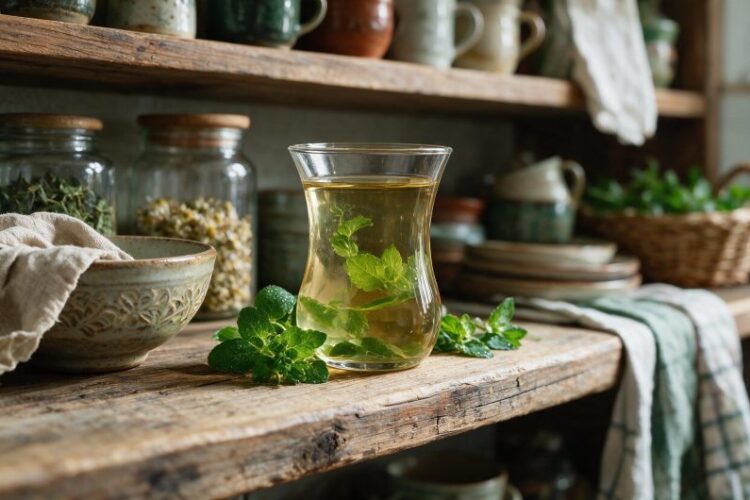
Oregano leaf tea is a warm, caffeine-free herbal drink made by steeping fresh or dried oregano in hot water. This easy oregano tea recipe is popular with people looking for simple herbal beverages made with familiar kitchen ingredients. Its strong aroma, earthy taste, and easy preparation make it a practical choice for any time of day.
Unlike regular black tea or coffee, oregano herbal tea contains no caffeine. It can be served warm in the morning, enjoyed after a meal, or prepared as a comforting evening drink. When made without added sweeteners, it is also a very low-calorie beverage that can fit easily into many balanced eating habits.
Why Oregano Tea Is Becoming Popular
Interest in homemade herbal tea has increased as more people look for natural, simple drinks with fewer artificial ingredients. Oregano is already a well-known culinary herb, so using it to make tea is an easy way to enjoy its aroma in a different form. Searches for oregano tea, herbal tea recipes, and caffeine-free drinks continue to make this type of infusion appealing.
The recipe does not require special equipment or difficult preparation. Water, oregano, and a saucepan are enough to create the basic drink. Lemon and honey can be added for flavor, while ingredients such as cinnamon, mint, turmeric, and black pepper can provide different variations without changing the simple character of the tea.
Oregano as a Traditional Culinary Herb
Oregano has been used for generations in cooking, especially in Mediterranean-inspired dishes. Its warm, slightly peppery flavor works well in sauces, soups, roasted foods, and many other recipes. The same aromatic qualities that make oregano useful in cooking also give oregano leaf tea its distinctive herbal taste.
Fresh and dried oregano can both be used for tea. Fresh leaves usually produce a lighter flavor and a greener aroma. Dried oregano tends to create a stronger and deeper infusion because its flavor is concentrated. Both options work well, allowing this homemade herbal tea to be prepared with whatever form of oregano is available.
Natural Plant Compounds in Oregano
Oregano contains naturally occurring plant compounds, including carvacrol and thymol. These compounds are commonly studied for their antioxidant activity. Antioxidants are substances that help protect cells from oxidative stress, which is why herbs and other plant foods are often included as part of a varied and balanced diet.
Oregano tea should not be viewed as a replacement for medical treatment, prescribed medicine, or professional health advice. However, it can be enjoyed as a simple herbal beverage alongside an overall healthy lifestyle. For people interested in plant-based drinks, it offers a familiar ingredient prepared in an easy and refreshing way.
What Does Oregano Leaf Tea Taste Like?
The flavor of oregano tea is different from sweeter herbal teas such as chamomile or peppermint. It has a savory, earthy, and slightly peppery taste. The aroma is strong and herbal, especially when dried oregano is used. Some people enjoy its bold flavor on its own, while others prefer adding lemon or honey.
The steeping time has a major effect on the final taste. A shorter brewing period creates a lighter drink with a gentler oregano flavor. Allowing the herb to steep for longer produces a stronger infusion. You can easily adjust the recipe according to your preference by choosing how long the oregano remains in the hot water.
Fresh Oregano or Dried Oregano
Fresh oregano leaves are a good choice when you want a bright and mild herbal flavor. Wash the leaves before using them to remove any dirt. One tablespoon of fresh oregano is used in this recipe, making the tea easy to prepare when fresh herbs are available from a garden or grocery store.
Dried oregano is more convenient for everyday use because it can be stored in the pantry. One teaspoon is enough for the recipe because dried herbs have a concentrated flavor. Choose dried oregano that has a fresh, noticeable aroma, as old herbs may produce a weaker and less flavorful tea.
Simple Ingredients for Homemade Oregano Tea
One of the best things about this oregano leaf tea recipe is that the main preparation is uncomplicated. The base consists of water and either dried oregano leaves or fresh oregano leaves. Lemon can add a fresh, citrusy taste, while honey is optional for anyone who prefers a little sweetness.
The optional ingredients give you room to change the flavor while keeping the preparation easy. Turmeric adds an earthy taste, cinnamon brings warmth, and mint creates a fresher finish. A small amount of black pepper can also add extra sharpness. You can use these additions individually or choose the combination you enjoy most.
How Oregano Tea Is Prepared
Start by bringing the water to a gentle boil in a saucepan. If you are using fresh oregano, wash the leaves first. Dried oregano can be measured directly because it does not need any preparation. Once the water is hot, add the oregano and allow the flavors to infuse.
The oregano can simmer for 5 to 10 minutes, depending on how strong you want the tea. Optional cinnamon, turmeric, mint, or black pepper can be added during this time. After simmering, remove the saucepan from the heat and strain the tea into a mug.
Adding Lemon and Honey
Fresh lemon gives oregano tea a lighter and brighter flavor. Squeeze the juice from the lemon after straining the tea so you can adjust the amount according to your taste. The citrus flavor works well with the earthy character of oregano and makes the drink feel fresher.
Honey is completely optional. Adding 1 to 2 teaspoons can reduce the sharpness of the oregano flavor and provide gentle sweetness. If you prefer an unsweetened herbal tea, simply leave it out. The recipe can be adjusted at serving time without affecting the oregano and water base.
Adjusting the Strength of the Tea
The easiest way to control oregano tea strength is by changing the simmering time. Five minutes usually produces a milder drink, while ten minutes gives the tea a stronger herbal flavor. If you are making oregano tea for the first time, starting with a shorter simmering time can help you decide what strength you prefer.
If the finished tea tastes stronger than expected, add a little extra warm water to soften the flavor. Honey can also make the taste feel smoother. Avoid using more oregano unless you want a particularly bold drink, as oregano already has a naturally strong and noticeable flavor.
A Caffeine-Free Alternative to Regular Tea
People who want to reduce their caffeine intake often look for herbal drinks that can replace coffee or regular tea. Oregano leaf tea is naturally caffeine-free, making it suitable for different times of the day. You can enjoy it without the caffeine found in coffee, black tea, and many energy drinks.
A warm mug of herbal tea can also become part of a quiet daily routine. The preparation takes only a short time, and the simple process of heating water and steeping herbs can create a pleasant break during a busy day. Its straightforward ingredients make it easy to prepare whenever desired.
When to Enjoy Oregano Herbal Tea
Oregano tea can be enjoyed in the morning as a warm caffeine-free drink. It can also be served after meals or during the afternoon when you want something lighter than coffee. Since the recipe contains no caffeine, it may also be enjoyed in the evening as part of a relaxing routine.
During cooler weather, the warm version is especially comforting. Lemon and honey can create a softer flavor, while cinnamon adds extra warmth. In hot weather, the tea can be cooled, refrigerated, and served over ice for a simple homemade herbal drink.
Making a Cold Oregano Tea Drink
This recipe is not limited to hot tea. After preparing and straining the oregano infusion, allow it to cool before placing it in the refrigerator. Once chilled, pour the tea over ice and add lemon if desired. Mint can also work well in the cold version.
The chilled drink has a different character from hot oregano tea. Cooling it can make the herbal flavor feel lighter and more refreshing. This gives the same basic recipe more flexibility and makes oregano tea suitable throughout the year.
Using Cinnamon, Turmeric, Mint, and Black Pepper
The optional add-ins allow you to prepare different versions of oregano herbal tea. A small cinnamon stick adds a warm and gently spicy flavor. It can be added while the oregano simmers so its aroma blends into the water.
Turmeric powder brings an earthy taste and a golden appearance. Fresh mint leaves provide a cooler, fresher herbal flavor, while a pinch of black pepper adds mild sharpness. Use only the optional ingredients you enjoy, as the original oregano tea is already flavorful on its own.
Preparation and Serving Suggestions
Serve oregano tea in a mug immediately after straining for the freshest warm flavor. Add lemon juice and honey just before drinking so you can control the final taste. If making the tea for later, cool it before placing it in a sealed container in the refrigerator.
The prepared tea can be stored for up to 2 days. Reheat it gently when serving warm, but avoid prolonged boiling after storage. For a cold drink, pour the chilled tea over ice and add lemon slices if you want extra citrus flavor.
Common Queries About Oregano Tea
Dried oregano from a spice jar can be used for this recipe, provided it is fresh and aromatic. The dried herb creates a stronger flavor than fresh leaves, so the recipe uses a smaller amount. Fresh oregano is also suitable and produces a lighter, greener-tasting infusion.
Sweeteners are not required because the tea can be enjoyed plain. Honey is included as an optional ingredient for people who prefer a sweeter drink. Lemon, mint, cinnamon, turmeric, and black pepper are also optional, so the basic recipe can remain as simple as oregano and water.
Storage and Everyday Preparation
For the best taste, oregano leaf tea is usually most enjoyable shortly after it is made. However, preparing an extra serving can be useful when you want a chilled herbal drink later. Keep leftover tea in a sealed container and refrigerate it for no longer than 2 days.
Before serving stored tea warm, heat it gently rather than boiling it for a long period. This helps maintain the original flavor. If serving it cold, stir the tea before pouring because natural ingredients may settle during refrigeration.
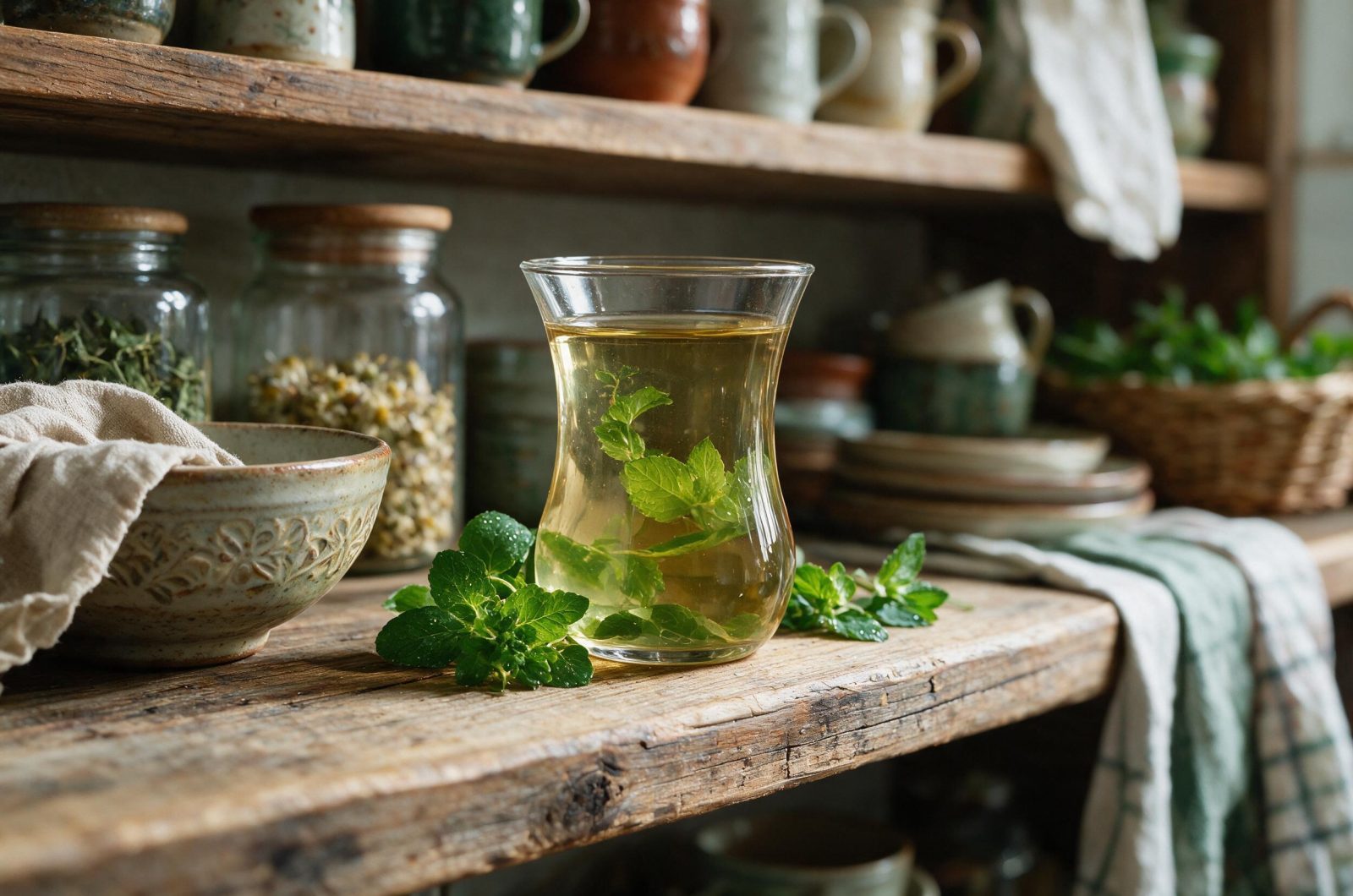
Oregano Leaf Herbal Tea
 Recipe by dishes.healthofficialtips.com
Herbal teas have been cherished for generations as soothing beverages that bring warmth, comfort, and relaxation to everyday life.
1
servings10
minutes10
minutes15
kcal20
minutesIngredients
- Main Ingredients
2 cups water
1 teaspoon dried oregano leaves OR 1 tablespoon fresh oregano leaves
1 medium lemon
1–2 teaspoons honey (optional)
- Optional Add-Ins
Pinch of turmeric powder
Small cinnamon stick
Few fresh mint leaves
Pinch of black pepper
Directions
- Wash fresh oregano leaves if using fresh herbs. If using dried oregano, measure directly into a cup or tea infuser.
- Pour water into a saucepan and bring it to a gentle boil over medium heat.
- Add oregano leaves to the hot water. Reduce heat slightly and allow the mixture to simmer for 5–10 minutes depending on desired strength.
- If using cinnamon, turmeric, mint, or black pepper, add them while simmering.
- Remove from heat and strain the liquid into a mug to remove herb pieces.
- Squeeze fresh lemon juice into the tea. Stir in honey if desired.
- Serve warm immediately or chill and pour over ice for a refreshing herbal drink.
Notes
- Storage: Refrigerate in a sealed container for up to 2 days. Reheat gently without boiling.
Nutrition Facts
- Serving Size: 1 g
- Total number of serves: 1
- Calories: 15kcal
- Carbohydrates: 4g
- Sugar: 3g


