Ingredients
There are some cakes that become favorites because they do not require complicated steps, special equipment, or hard-to-find ingredients. This Greek yogurt cake is one of those simple homemade desserts that comes together easily and delivers a soft, fluffy texture with a slightly rich and moist crumb.
Made with just five basic ingredients, this cake is perfect when you want something sweet without spending hours in the kitchen. The Greek yogurt gives the cake its beautiful texture while keeping it light and tender without the need for oil. The result is a cake that feels homemade, comforting, and suitable for almost any occasion.
This is the kind of recipe that works beautifully for a quiet afternoon at home, a family gathering, a weekend breakfast table, or a simple dessert after dinner. It can be enjoyed plain, but it also pairs wonderfully with toppings like whipped cream, fresh berries, or a light dusting of powdered sugar.
Why This Greek Yogurt Cake Is Worth Making
Simple Ingredients, Big Flavor
One of the best things about this cake is how uncomplicated it is. The ingredient list is short, but each ingredient has an important role. Eggs help create structure, sugar adds sweetness, Greek yogurt brings moisture, baking soda helps the cake rise, and flour creates the perfect soft texture.
Since these ingredients are common pantry staples, this recipe is easy to prepare whenever you are craving a homemade dessert.
A Soft and Moist Cake Without Oil
Many cakes rely on oil or butter to create moisture, but this recipe uses Greek yogurt instead. The yogurt helps create a tender texture while adding a gentle tang that balances the sweetness.
The cake stays soft inside and develops a pleasant moistness that makes every bite enjoyable. It is a great option when you want a dessert that feels satisfying without being heavy.
A One-Bowl Recipe for Easy Cleanup
This cake does not require complicated mixing methods or multiple bowls. Everything comes together in one bowl, making preparation quick and cleanup simple.
The process is straightforward: mix the eggs and sugar, add the yogurt, combine the dry ingredients, and bake. It is a reliable recipe that works well even when you are making it on a busy day.
Choosing the Right Greek Yogurt
- The type of yogurt you use makes a difference in the final texture of the cake. Greek yogurt is thicker and creamier than regular yogurt, which helps create the right batter consistency.
- For the best results, use plain Greek yogurt with some fat content. Greek yogurt with at least 2% fat works well, while a richer variety such as 4% Greek yogurt creates an especially soft and moist cake.
- Avoid using regular yogurt because it contains more liquid and can change the balance of the batter. Non-fat or very low-fat Greek yogurt is also not the best choice because some fat helps give the cake its tender texture.
Ingredients That Make This Cake Special
Eggs
- Eggs provide structure and help the cake hold its shape. When beaten with sugar, they also help create a lighter texture by adding air to the mixture.
Sugar
- Sugar adds sweetness and contributes to the cake’s soft texture. Regular sugar works well for this recipe.
- Avoid replacing it with darker sugars because they can change the color and flavor of the cake.
Greek Yogurt
- Greek yogurt is the key ingredient that makes this cake different. It replaces oil while adding moisture, creaminess, and a slight tang that complements the sweetness.
Baking Soda
- Baking soda helps the cake rise and creates a softer texture. Since Greek yogurt has natural acidity, it works well with baking soda during baking.
All-Purpose Flour
- All-purpose flour provides the structure needed for the cake. Using a different type of flour may change the texture and consistency.
Preparing Greek Yogurt Cake at Home
Getting the Pan Ready
- Before starting the batter, prepare the baking pan and preheat the oven. This helps the cake bake evenly from the beginning.
- You can use an 8×8 baking dish, a 9×5 loaf pan, an 8–9 inch cake pan, or a Bundt pan depending on the shape of cake you prefer.
- Lightly coat the pan with cooking spray so the cake releases easily after baking.
Creating the Cake Batter
- Begin by combining the eggs and sugar in a large bowl. Beat them together until the mixture becomes lighter in color and slightly fluffy.
- This step helps create a better texture because the air incorporated during mixing contributes to a softer cake.
- Next, add the Greek yogurt and mix until everything is combined.
- Once the wet ingredients are ready, add the baking soda and flour gradually. Adding the flour in smaller portions makes it easier to combine without overworking the batter.
- Mix only until the ingredients come together and the batter looks smooth.
Baking the Cake
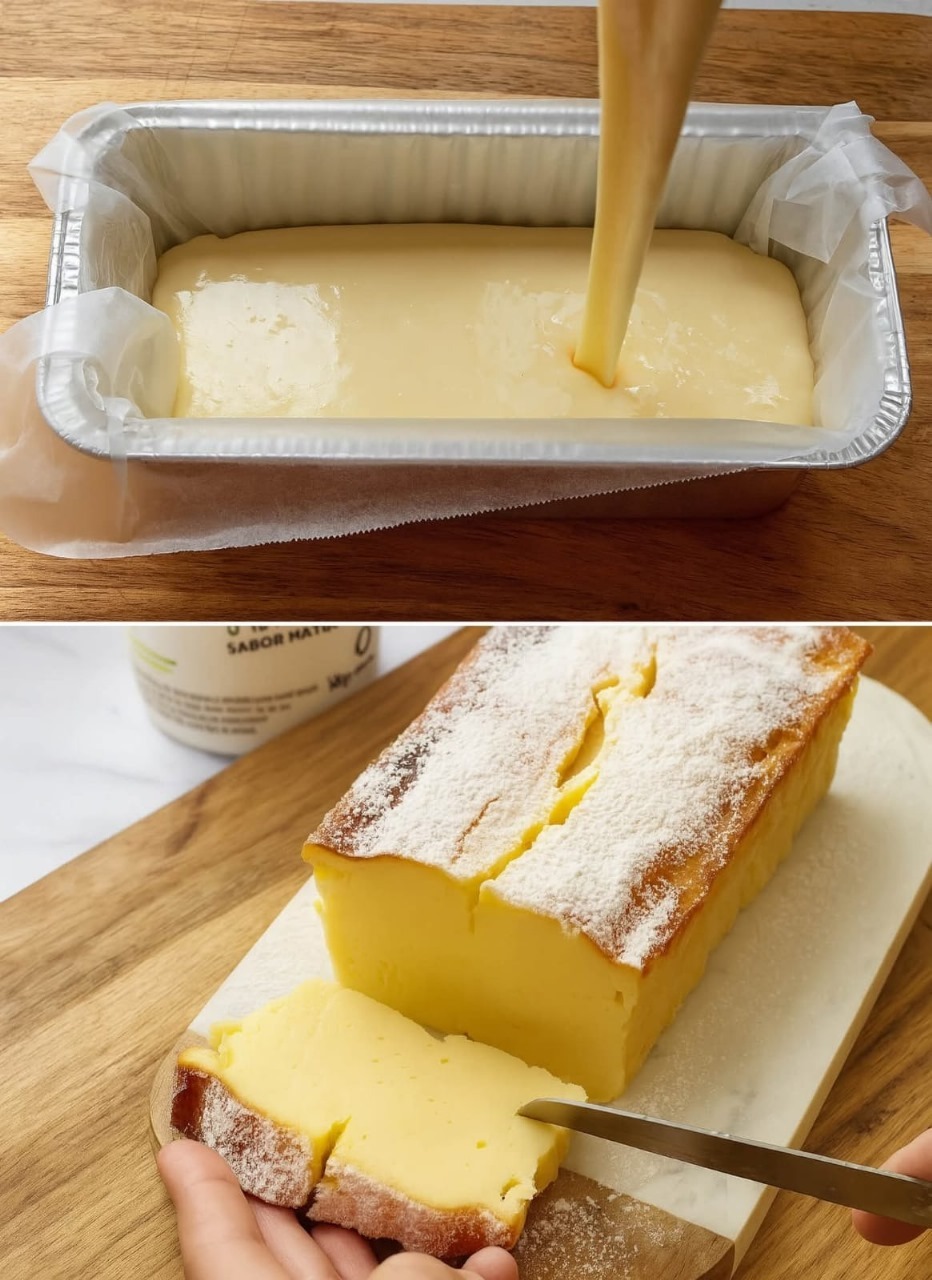
Pour the batter into the prepared pan and spread it evenly.
The baking time depends on the type of pan you choose:
- An 8×8 square pan or round cake pan usually takes about 35 minutes.
- A Bundt pan usually takes about 30 minutes.
- A loaf pan generally needs around 40–45 minutes.
The cake is ready when a toothpick inserted into the center comes out clean.
Avoid baking it too long because overbaking can remove the moisture that makes this cake special.
Important Tips for the Best Results
Do Not Overmix the Batter
- Once the flour is added, mix only until combined. Overmixing can develop too much gluten, which may result in a firmer or rubbery texture.
- A gentle mixing approach helps maintain the soft, fluffy crumb.
Keep the Sweetness Balanced
- This recipe is designed with regular sugar. Changing the sweetener can affect both the flavor and the texture of the cake.
- Liquid sweeteners such as honey or maple syrup may change the batter consistency and affect the final result.
Double the Recipe for More People
If you are making this cake for a larger group, you can double the recipe and bake it in a larger 9×13 baking dish.
- A bigger batch is ideal for celebrations, family gatherings, or when you want extra slices available.
Easy Ways to Add Different Flavors
- Although this cake tastes wonderful on its own, you can create different versions by adding simple flavors.
Vanilla Flavor
- A small amount of vanilla extract can add a warm, classic cake flavor.
Almond Flavor
- Almond extract gives the cake a slightly nutty aroma and a bakery-style taste.
Citrus Twist
- Fresh lemon, lime, or orange zest can brighten the flavor and add a refreshing touch.
Chocolate Addition
- Chopped chocolate or chocolate chips can turn this simple cake into a richer dessert that is especially popular with chocolate lovers.
Nutty Variation
- Chopped walnuts, pecans, or almonds can add texture and a pleasant crunch.
Serving Ideas for Greek Yogurt Cake
- This cake is delicious straight from the pan after cooling, but it can also be dressed up depending on the occasion.
- For a simple presentation, sprinkle powdered sugar over the top before serving.
- For a more special dessert, serve slices with whipped cream and fresh berries.
- It also works well as a breakfast-style treat alongside coffee or tea. The mild sweetness and soft texture make it suitable for mornings, brunches, celebrations, or everyday desserts.
Storing Homemade Greek Yogurt Cake
- This cake stays moist for a couple of days when stored properly.
- For short-term storage, keep it covered at room temperature. A kitchen towel placed over the cake helps protect its texture.
- If you want to store it longer, place slices in an airtight container and refrigerate or freeze them.
- Individual slices can be frozen for up to three months. When ready to enjoy, allow the slices to thaw at room temperature for a few hours before serving.
Frequently Asked Questions
Can sour cream be used instead of Greek yogurt?
- This recipe is designed around Greek yogurt, which provides the thickness and texture needed for the batter. Using another ingredient may change the final result.
Can another type of flour be used?
- All-purpose flour gives the cake its intended texture. Different flours may affect how the cake rises and how soft it becomes.
Can flavored Greek yogurt be used?
- Plain Greek yogurt is recommended because it keeps the flavor balanced and allows you to control any additional flavors.
Can the sugar amount be reduced?
- Reducing sugar may affect the sweetness and texture of the cake. The recipe is designed to work with the listed amount of sugar.
Description
This homemade Greek Yogurt Cake is a simple, soft, and moist dessert made with only five basic ingredients. Greek yogurt gives the cake a tender texture while keeping it light and fluffy without using oil. It is perfect served plain or finished with whipped cream, fresh berries, or powdered sugar.
Duration
Prep Time: 10 minutes
Cook Time: 30–45 minutes (depending on pan size)
Cooling Time: 10–15 minutes
Total Time: About 50 minutes
Servings: 9 slices
Ingredients
- 2 large eggs
- 1 cup sugar
- 1 cup Greek yogurt, at least 2% fat (4% Greek yogurt works well)
- 1/2 teaspoon baking soda
- 1 cup all-purpose flour
- Cooking spray, for preparing the baking pan
Instructions
Preheat the oven to 350°F. Lightly spray an 8×8 square baking dish, 9×5 loaf pan, 8–9 inch cake pan, or Bundt pan with cooking spray.
Add eggs and sugar to a large mixing bowl. Beat with an electric mixer until the mixture becomes lighter in color and fluffy, about 3 minutes.
Add Greek yogurt and mix until combined.
Add baking soda and flour gradually in small portions. Mix just until the batter comes together and becomes smooth. Avoid overmixing.
Pour the batter into the prepared baking pan and spread evenly.
Bake until the cake is fully set:
- About 35 minutes in a square baking dish or round cake pan.
- About 30 minutes in a Bundt pan.
- About 40–45 minutes in a loaf pan.
Remove the cake from the oven and allow it to cool for 10–15 minutes.
Slice using a sharp, non-serrated knife and serve.
Notes
- Use plain Greek yogurt with some fat content for the best texture. Very low-fat yogurt may make the cake less moist.
- Mix the batter only until the ingredients are combined. Overmixing can make the cake dense.
- Avoid replacing sugar with liquid sweeteners because they can change the batter consistency.
- For a larger batch, double the recipe and bake in a 9×13 baking dish for around 40 minutes.
- Store the cake covered at room temperature for 1–2 days. For longer storage, refrigerate or freeze.
- To freeze, place individual slices in an airtight container and freeze for up to 3 months. Thaw at room temperature before serving.
- Optional flavor additions include vanilla extract, almond extract, citrus zest, chopped chocolate, or chopped nuts.
Nutrition
Serving Size: 1 slice (based on 9 servings)
- Calories: 168 kcal
- Carbohydrates: 34 g
- Protein: 5 g
- Fat: 1 g
- Saturated Fat: 0.4 g
- Trans Fat: 0.01 g
- Cholesterol: 42 mg
- Sodium: 85 mg
- Fiber: 0.4 g
- Sugar: 23 g
Nutrition values are estimates and may vary depending on the exact brands of ingredients used and portion sizes.
