Mastering the Art of the Perfect Poached Egg
Poaching an egg is one of the most elegant and refined cooking techniques in the culinary world. While it appears simple—an egg gently cooked in hot water without its shell—the process requires attention to detail, patience, and an understanding of how heat affects delicate proteins. A perfectly poached egg has a tender, fully set white that envelops a rich, golden yolk with a silky, liquid center. When cut open, the yolk should flow smoothly onto the plate, creating a luxurious sauce-like texture that enhances everything from toasted bread to salads and breakfast dishes.
This comprehensive guide explores every aspect of poaching eggs, from selecting the best eggs and preparing the water to troubleshooting common mistakes and achieving restaurant-quality results consistently.
Understanding the Science of Poached Eggs
Eggs are made primarily of proteins and water. When heated, the proteins unfold and bond together, transforming the liquid egg into a solid structure. The white, also known as the albumen, begins to coagulate at a lower temperature than the yolk. This difference in cooking temperature is what allows a poached egg to have a firm white while maintaining a soft and runny center.
The challenge in poaching lies in controlling the cooking environment. Water that is too hot causes the egg white to become tough and ragged. Water that is too cool may not properly set the egg, resulting in a loose and unattractive shape. Maintaining the correct temperature is essential for success.
Choosing the Right Eggs
The quality and freshness of the eggs significantly influence the final result.
Fresh eggs contain thicker whites that stay close to the yolk. Older eggs have thinner whites that spread more easily in water, creating wispy strands and irregular shapes.
When selecting eggs:
Choose the freshest eggs available.
Store them in the refrigerator until needed.
Avoid eggs with cracked shells.
Use high-quality eggs from reliable sources whenever possible.
Fresh eggs produce compact, attractive poached eggs with minimal effort.
Ingredients
For one serving:
1 large fresh egg
1 liter water
1 tablespoon white vinegar (optional)
Pinch of salt for serving
Freshly ground black pepper for serving
For multiple servings:
4 fresh eggs
2 liters water
2 tablespoons white vinegar
Salt and pepper to taste
The vinegar helps the egg white coagulate more quickly, although it should be used sparingly to avoid affecting flavor.
Equipment Needed
Medium or large saucepan
Slotted spoon
Small bowl or ramekin
Kitchen timer
Paper towels
Thermometer (optional but helpful)
Having the proper equipment ready before beginning makes the process smoother and more controlled.
Preparing the Water
Fill a saucepan with water to a depth of approximately 8 to 10 centimeters.
Place the pan over medium heat.
If desired, add the vinegar and stir gently.
Heat the water until it reaches a temperature between 80°C and 90°C (176°F to 194°F).
The water should not reach a rolling boil. Instead, it should display small bubbles rising gently from the bottom of the pan. This gentle simmer creates the ideal environment for poaching.
A vigorous boil can break apart the delicate egg white and create a messy appearance.
Preparing the Egg
Crack the egg into a small bowl rather than directly into the water.
This step offers several advantages:
It allows inspection of the egg.
It makes transferring easier.
It reduces the chance of breaking the yolk.
It provides greater control during placement into the water.
Inspect the egg for freshness and ensure the yolk remains intact.
The Classic Poaching Method
Reduce the water to a gentle simmer.
Hold the bowl close to the surface of the water.
Slowly slide the egg into the water.
Allow the egg to settle naturally.
Avoid stirring during the first minute.
Cook for approximately three to four minutes for a soft yolk.
For a slightly firmer yolk, cook for four to five minutes.
During cooking, the white should gradually wrap around the yolk and become opaque.
Once cooked, carefully remove the egg using a slotted spoon.
Place it briefly on paper towels to absorb excess water.
Season lightly with salt and pepper before serving.
The Whirlpool Technique
Many professional chefs use a whirlpool method to create a more compact shape.
Heat the water to a gentle simmer.
Using a spoon, stir the water to create a circular motion.
Once a vortex forms, gently slide the egg into the center.
The circulating water helps wrap the egg white around itself.
Allow the egg to cook undisturbed for three to four minutes.
Remove with a slotted spoon.
This method works best when poaching a single egg at a time.
Straining for Professional Results
Even fresh eggs contain some thin, watery albumen.
Professional kitchens often remove this portion before poaching.
Crack the egg into a fine mesh strainer.
Allow the watery white to drain for about thirty seconds.
Transfer the egg to a small bowl.
Poach as usual.
This technique produces a cleaner, neater appearance and minimizes unwanted strands.
Timing Guide
Very soft yolk: 2½ to 3 minutes
Classic runny yolk: 3 to 4 minutes
Medium yolk: 4 to 5 minutes
Slightly firm yolk: 5 to 6 minutes
Fully cooked yolk: 6 to 7 minutes
Precise timing depends on egg size, freshness, and water temperature.
Recognizing Doneness
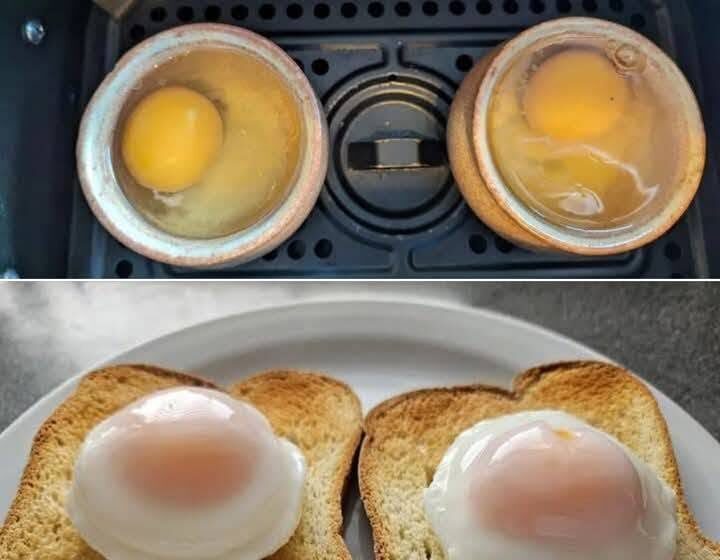
A properly poached egg should exhibit several characteristics.
The white should appear opaque and fully set.
The egg should hold its shape when lifted.
The yolk should feel soft when gently pressed.
The surface should be smooth and tender.
Overcooked eggs develop rubbery whites and chalky yolks.
Undercooked eggs may have loose whites that separate during serving.
Common Mistakes and Solutions
Egg White Spreading Everywhere
Cause:
Old eggs or boiling water.
Solution:
Use fresher eggs.
Lower the water temperature.
Strain the egg before poaching.
Rubbery Texture
Cause:
Overcooking.
Solution:
Reduce cooking time.
Maintain a gentle simmer.
Broken Yolk
Cause:
Rough handling.
Solution:
Crack eggs carefully.
Transfer gently from bowl to water.
Avoid dropping from a height.
Vinegar Flavor
Cause:
Using excessive vinegar.
Solution:
Use only a small amount.
Rinse briefly in warm water if necessary.
Advanced Restaurant Technique
Professional chefs often prepare poached eggs in advance.
Poach the eggs slightly under the desired doneness.
Transfer immediately to an ice-water bath.
Store refrigerated for up to one day.
When ready to serve, place the egg in warm water for approximately one minute.
This reheating method allows multiple poached eggs to be served simultaneously without sacrificing quality.
Serving Suggestions
Poached eggs are remarkably versatile.
Serve them on toasted artisan bread.
Pair them with sautéed spinach.
Add them to grain bowls.
Place them atop roasted vegetables.
Serve with smoked salmon.
Use them in breakfast sandwiches.
Add them to soups for extra richness.
Pair them with grilled asparagus.
Top a fresh salad.
Serve over creamy polenta.
The flowing yolk enriches nearly any savory dish.
Creating Eggs Benedict
One of the most famous uses for poached eggs is Eggs Benedict.
Ingredients:
English muffins
Canadian bacon or ham
Poached eggs
Hollandaise sauce
Fresh chives
Toast the muffins.
Warm the ham.
Place ham on each muffin half.
Top with a freshly poached egg.
Spoon hollandaise sauce generously over the egg.
Garnish with chopped chives.
Serve immediately.
The combination of crisp bread, savory meat, creamy sauce, and flowing yolk creates a luxurious breakfast experience.
Nutritional Information
One large poached egg typically contains:
Calories: approximately 70
Protein: approximately 6 grams
Fat: approximately 5 grams
Carbohydrates: less than 1 gram
Vitamin D: moderate amount
Vitamin B12: significant amount
Selenium: moderate amount
Choline: excellent source
Because poaching requires no added oil or butter, it is one of the healthiest methods for cooking eggs.
Expert Tips for Consistent Success
Always use fresh eggs.
Maintain gentle water movement.
Avoid vigorous boiling.
Use a timer.
Crack eggs into bowls first.
Strain eggs for cleaner presentation.
Remove excess water before plating.
Serve immediately whenever possible.
Practice regularly to improve consistency.
Mastering poached eggs is less about complexity and more about precision. With careful attention to temperature, freshness, and timing, anyone can produce beautifully shaped eggs with silky whites and perfectly flowing yolks. Although it may seem intimidating at first, repeated practice transforms poaching from a challenging culinary skill into a dependable technique that elevates breakfasts, brunches, and elegant meals alike. The reward is a dish that combines simplicity with sophistication, demonstrating how a single ingredient can become extraordinary through proper technique and patience.