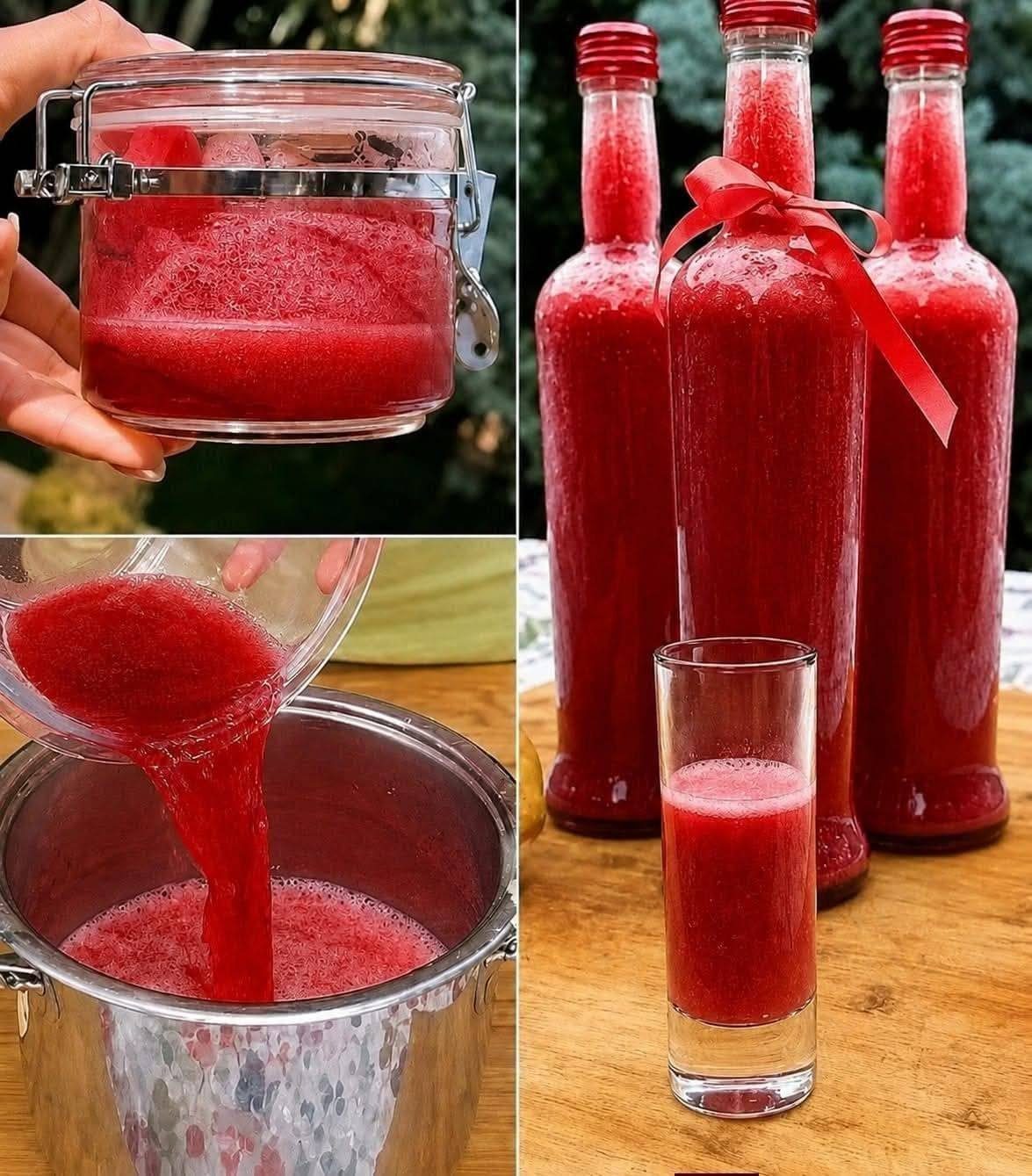
Watermelon Juice Recipe (Very Detailed Version)
Introduction
Watermelon juice is one of the most refreshing and hydrating drinks, especially during hot weather. It is naturally sweet, full of water, and packed with vitamins like Vitamin C, Vitamin A, and antioxidants. Making watermelon juice at home is simple, but a carefully prepared recipe can improve the flavor, texture, freshness, and presentation significantly.
This detailed recipe explains every step from selecting the watermelon to serving the juice perfectly.
Ingredients
Main Ingredients:
- 1 large ripe watermelon (about 4–5 kg)
- 2 tablespoons sugar or honey (optional)
- 1 tablespoon lemon juice
- 1/2 teaspoon black salt or regular salt
- 1 cup cold water or ice cubes
- Fresh mint leaves (optional)
Optional Flavor Additions:
- 1 small piece ginger
- 1 cucumber
- A few basil leaves
- Chaat masala for spicy flavor
- Soda water for sparkling watermelon drink
Equipment Needed
- Large knife
- Cutting board
- Blender
- Strainer or sieve
- Large bowl
- Serving glasses
- Spoon
Step 1: Choosing the Perfect Watermelon
A good watermelon makes the biggest difference in taste. When buying a watermelon:
- Choose one that feels heavy for its size.
- The outside should look firm and smooth.
- Look for a creamy yellow spot on one side. This means it ripened naturally on the ground.
- Tap the watermelon lightly. A deep hollow sound usually means it is ripe.
- Avoid watermelons with soft spots, cracks, or bruises.
Step 2: Washing the Watermelon
Before cutting:
- Wash the outer surface carefully under running water.
- Rub gently with hands or a clean brush.
- Dry with a clean towel.
Even though the skin is not eaten, washing prevents dirt or bacteria from transferring to the inside while cutting.
Step 3: Cutting the Watermelon
- Place the watermelon on a stable cutting board.
- Cut both ends slightly so it stands firmly.
- Slice the watermelon into large halves.
- Cut each half into smaller sections.
- Remove the thick green rind carefully.
- Chop the red flesh into medium cubes.
Try to remove as many black seeds as possible. Seedless watermelon can also be used.
Step 4: Chilling the Fruit
For extra refreshing juice:
- Place watermelon cubes in the refrigerator for 30–60 minutes before blending.
Cold watermelon gives better flavor and reduces the need for extra ice.
Step 5: Blending the Watermelon
- Add watermelon cubes into the blender gradually.
- Blend for 30–60 seconds until completely smooth.
At this stage, you may add:
- Lemon juice
- Sugar or honey
- Salt
- Ginger
- Mint leaves
Blend again for another 10–15 seconds.
Step 6: Straining the Juice
If you prefer smooth juice:
- Pour the blended mixture through a fine strainer into a large bowl or jug.
- Use a spoon to press the pulp gently.
If you enjoy thick natural juice with fiber, you can skip straining.
Step 7: Adjusting the Taste
Taste the juice carefully.
If needed:
- Add more lemon for freshness.
- Add more sugar if the watermelon is less sweet.
- Add cold water if the juice is too thick.
- Add black salt for a stronger summer drink flavor.
Mix thoroughly.
Step 8: Serving the Juice
- Fill serving glasses with ice cubes.
- Pour the watermelon juice slowly.
- Garnish with mint leaves or small watermelon slices.
Serve immediately for the best taste.
Optional Recipe Variations
- Watermelon Mint Juice
Add:
- 10 mint leaves
- Extra lemon juice
This version is cooling and refreshing.
- Watermelon Ginger Juice
Add:
- 1 small ginger piece
This gives a slightly spicy flavor and helps digestion.
- Watermelon Cucumber Cooler
Add:
- 1 chopped cucumber
This makes the drink even more hydrating.
- Sparkling Watermelon Drink
Replace water with:
- Cold soda water
Mix gently after blending.
- Spicy Watermelon Juice
Add:
- Chaat masala
- Black pepper
- Black salt
Popular during summer in South Asia.
Storage Tips
- Store in the refrigerator in a closed bottle or jug.
- Best consumed within 24 hours.
- Shake well before drinking because natural separation may happen.
Health Benefits of Watermelon Juice
- Helps prevent dehydration
- Contains antioxidants
- Supports healthy skin
- Naturally low in calories
- Provides Vitamin C and Vitamin A
- May help cool the body during hot weather
Common Mistakes to Avoid
- Using unripe watermelon
- Adding too much water
- Overusing sugar
- Keeping juice outside too long
- Not removing spoiled parts of fruit
Serving Suggestions
Watermelon juice pairs well with:
- Grilled foods
- Barbecue meals
- Summer snacks
- Sandwiches
- Fruit salads
Conclusion
Homemade watermelon juice is simple, healthy, refreshing, and customizable. With the right watermelon and proper preparation, you can make a delicious natural drink that tastes far better than many packaged juices. You can enjoy it plain or experiment with mint, lemon, ginger, cucumber, or sparkling water for different flavors.
more loggest
Ultimate Extremely Detailed Watermelon Juice Recipe
Introduction to Watermelon Juice
Watermelon juice is one of the oldest and most loved summer drinks in many parts of the world. Because watermelon contains a very high amount of water, it naturally creates a smooth and refreshing juice without requiring complicated ingredients or expensive equipment. This drink is popular in homes, restaurants, juice shops, roadside stalls, fitness diets, and summer gatherings.
The taste of watermelon juice depends on many factors:
- The sweetness of the watermelon
- The temperature of the fruit
- The blending process
- The balance of acidity and sweetness
- The freshness of ingredients
- The serving style
A perfectly prepared watermelon juice should be:
- Naturally sweet
- Cold and refreshing
- Smooth but not watery
- Bright red or pink in color
- Fresh-smelling
- Light and easy to drink
History of Watermelon
Watermelon has been cultivated for thousands of years. Historians believe watermelon originally grew in Africa. Over time, it spread to Asia, the Middle East, and Europe. Because it survives well in warm climates, watermelon became especially popular in hot countries.
In many cultures:
- Watermelon is served during summer festivals.
- It is used in desserts and drinks.
- It is considered a cooling fruit.
- It is often shared at family gatherings and picnics.
Today, watermelon juice is enjoyed worldwide because it is:
- Affordable
- Easy to make
- Nutritious
- Naturally hydrating
Understanding Watermelon Varieties
Different types of watermelon create different flavors of juice.
- Seeded Watermelon
- Traditional variety
- Usually sweeter
- Requires seed removal
- Strong watermelon flavor
- Seedless Watermelon
- Easier to prepare
- Smooth texture
- Popular for quick recipes
- Yellow Watermelon
- Yellow inside instead of red
- Slightly honey-like taste
- Less common but delicious
- Mini Watermelon
- Smaller size
- Convenient for small families
- Often very sweet
- Crimson Sweet Watermelon
- Famous for deep red flesh
- Excellent for juice making
Nutritional Information
Watermelon contains:
- Water
- Vitamin C
- Vitamin A
- Potassium
- Magnesium
- Lycopene
- Antioxidants
Approximate Nutrition Per Glass:
- Calories: 70–90
- Water content: about 90%
- Natural sugar: 15–18 grams
- Fat: almost zero
Why Watermelon Juice is Popular in Summer
During hot weather, the body loses water through sweat. Watermelon juice helps because:
- It replaces fluids
- It cools the body
- It provides quick energy
- It feels light on the stomach
Many people prefer watermelon juice after:
- Exercise
- Outdoor work
- Sports
- Long travel
- Heat exposure
Complete Ingredient List
Primary Ingredients:
- 1 large ripe watermelon
- 1 tablespoon lemon juice
- 2 tablespoons sugar or honey (optional)
- Ice cubes
- Pinch of salt
Optional Ingredients:
- Mint leaves
- Ginger
- Basil
- Cucumber
- Black pepper
- Chaat masala
- Soda water
- Coconut water
Detailed Equipment Guide
Basic Equipment:
- Sharp knife
- Cutting board
- Blender
- Strainer
- Spoon
- Jug
- Glasses
Advanced Equipment (Optional):
- Citrus juicer
- Fine mesh sieve
- Ice crusher
- Decorative serving glasses
- Fruit scoop
How to Select the Best Watermelon
Weight Test
A ripe watermelon feels heavy because it contains more water.
Sound Test
Tap gently:
- Deep hollow sound = ripe
- Flat dull sound = overripe or unripe
Field Spot Test
Look for a creamy yellow patch:
- Indicates natural ripening
- White patch may mean early harvesting
Texture Test
The outer skin should:
- Feel firm
- Not feel soft
- Have no cuts or damage
Shape Test
Round or symmetrical watermelons usually grow evenly.
Preparing Your Kitchen
Before starting:
- Clean all surfaces
- Wash utensils
- Prepare ice
- Refrigerate glasses for extra cold serving
Professional juice shops often chill glasses beforehand to improve drinking experience.
How to Wash Watermelon Properly
Many people skip this step, but proper washing matters.
Method:
- Rinse under cool water.
- Rub gently.
- Dry using a clean cloth.
Reason:
The knife touches the outer surface first. Dirt from the skin can move inside during cutting.
Cutting Techniques
Method 1: Cube Method
- Remove rind
- Cut into cubes
- Easy for blending
Method 2: Scoop Method
- Use melon scooper
- Creates decorative balls
Method 3: Slice Method
- Slice directly into blender-friendly pieces
Removing Seeds
Techniques:
- Manual removal by hand
- Using fork tips
- Straining after blending
Seedless varieties reduce preparation time.
Chilling the Watermelon
Cold watermelon improves:
- Texture
- Taste
- Freshness
Recommended chilling time:
- 1–2 hours
Some people freeze cubes slightly for thicker juice.
The Blending Process in Extreme Detail
Step 1
Place small amount of watermelon in blender.
Step 2
Blend slowly at first.
Step 3
Increase speed gradually.
Step 4
Blend until smooth.
Overblending can create foam, so avoid blending too long.
Adding Flavor Ingredients
Lemon Juice
Purpose:
- Balances sweetness
- Adds freshness
Salt
Purpose:
- Enhances flavor naturally
Honey
Purpose:
- Adds smooth sweetness
Mint
Purpose:
- Cooling effect
Ginger
Purpose:
- Slight spicy warmth
Cucumber
Purpose:
- Extra hydration
Straining Methods
No Strain
- Thick texture
- More fiber
Light Strain
- Smooth but natural
Fine Strain
- Restaurant-style smoothness
How to Make Crystal Clear Watermelon Juice
For ultra-smooth juice:
- Blend completely.
- Strain twice.
- Chill again before serving.
This method creates elegant presentation.
Advanced Flavor Variations
- Tropical Watermelon Juice
Add:
- Pineapple
- Coconut water
- Berry Watermelon Blend
Add:
- Strawberries
- Blueberries
- Citrus Watermelon Cooler
Add:
- Orange juice
- Lime juice
- Herbal Watermelon Drink
Add:
- Basil
- Mint
- Rosemary
- Frozen Watermelon Slush
Freeze cubes before blending. - Creamy Watermelon Smoothie
Add:
- Yogurt
- Banana
Restaurant-Style Presentation
Glass Decoration
- Lemon slice on rim
- Mint garnish
- Watermelon triangle
Serving Temperature
Best served:
- Very cold
- Immediately after preparation
Fancy Layered Presentation
Create layered drinks using:
- Kiwi juice
- Orange juice
- Strawberry puree
Health Benefits Explained Deeply
Hydration
Watermelon contains extremely high water levels.
Skin Support
Vitamin C supports collagen production.
Eye Health
Vitamin A helps maintain vision.
Heart Support
Lycopene may support heart health.
Muscle Recovery
Contains natural electrolytes.
Digestion
Water content supports digestive movement.
Best Times to Drink Watermelon Juice
Morning
- Refreshing start
Afternoon
- Heat relief
After Exercise
- Rehydration
At Parties
- Summer beverage option
How to Store Watermelon Juice
Refrigerator Storage
- Use airtight container
- Consume within 24 hours
Freezing Option
Freeze into:
- Popsicles
- Ice cubes
- Slush base
Why Fresh Juice is Better Than Packaged Juice
Fresh Juice:
- No preservatives
- Better flavor
- More nutrients
- No artificial colors
Packaged Juice:
- Often contains added sugar
- May contain flavor enhancers
Common Problems and Solutions
Problem: Juice Too Watery
Solution:
- Use colder watermelon
- Avoid extra water
Problem: Juice Too Sweet
Solution:
- Add lemon juice
Problem: Bland Flavor
Solution:
- Add pinch of salt
Problem: Foam on Top
Solution:
- Blend less aggressively
Watermelon Juice for Different Occasions
Family Gatherings
Serve in large jug.
Children’s Parties
Use colorful straws.
Fitness Diets
Avoid added sugar.
Ramadan/Iftar
Excellent hydration drink after fasting.
Summer Weddings
Serve chilled in decorative glasses.
Interesting Facts About Watermelon
- Watermelon is both a fruit and a vegetable according to some agricultural classifications.
- Ancient Egyptians placed watermelons in tombs.
- Some watermelons can weigh over 90 kilograms.
- Watermelon rind is edible in some recipes.
Using Leftover Watermelon
You can use leftovers for:
- Fruit salad
- Popsicles
- Smoothies
- Sorbet
- Jam
Using Watermelon Rind
The rind can be:
- Pickled
- Cooked
- Added to stir-fries
Environmental Tips
- Compost unused parts
- Reuse glass bottles
- Avoid plastic straws
Professional Chef Tips
- Always use ripe fruit.
- Chill ingredients before blending.
- Serve immediately.
- Avoid excessive sugar.
- Use fresh lemon instead of bottled lemon juice.
Ultimate Step-by-Step Summary
- Select ripe watermelon.
- Wash thoroughly.
- Cut carefully.
- Remove rind and seeds.
- Chill cubes.
- Blend slowly.
- Add flavors.
- Strain if desired.
- Taste and adjust.
- Serve cold.
Final Conclusion
Watermelon juice is more than just a simple drink. It is a refreshing combination of hydration, flavor, nutrition, and summer enjoyment. With careful preparation, ingredient balance, and proper serving techniques, homemade watermelon juice can become a delicious and healthy beverage suitable for every age group and every occasion. Whether served plain, spicy, sparkling, frozen, or mixed with herbs and fruits, watermelon juice remains one of the easiest and most satisfying homemade drinks in the world.
