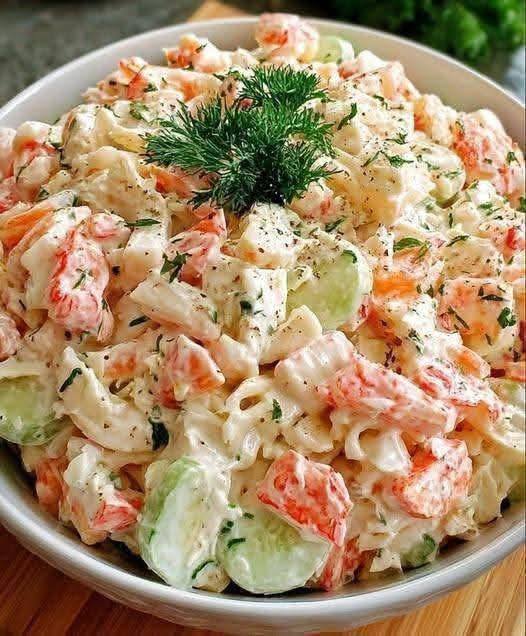
Russian Potato Salad (Olivier Salad) – Extremely Detailed Traditional Recipe
Russian Potato Salad, often called Olivier Salad, is one of the most famous salads in Eastern Europe and many parts of Asia. It is creamy, rich, slightly tangy, colorful, filling, and commonly served during celebrations, family dinners, holidays, and gatherings. The salad combines boiled potatoes, carrots, peas, eggs, pickles, mayonnaise, and sometimes chicken or beef. The balance of soft vegetables, creamy dressing, and crunchy pickles creates a comforting flavor that improves even more after resting in the refrigerator.
This detailed version explains every ingredient, preparation technique, texture consideration, storage method, and serving idea so that even a beginner can prepare an authentic and delicious Russian potato salad successfully.
Traditional Russian Potato Salad usually has a smooth creamy texture where every ingredient is cut into small equal cubes. The key to an excellent salad is consistency in cutting, proper boiling of vegetables, balanced seasoning, and enough chilling time before serving.
Preparation Time:
45 minutes
Cooking Time:
35 minutes
Chilling Time:
2 hours
Total Time:
Approximately 3 hours and 20 minutes
Servings:
8 to 10 servings
Ingredients for the Salad
Potatoes:
6 medium potatoes, preferably waxy potatoes because they hold shape better after boiling
Carrots:
3 medium carrots
Eggs:
5 large eggs
Green Peas:
1 cup cooked peas or canned peas drained well
Pickles:
5 medium dill pickles or cucumber pickles finely diced
Cooked Chicken or Beef (Optional):
1½ cups cooked chicken breast or boiled beef cut into small cubes
Onion:
1 small onion very finely chopped
Fresh Parsley:
3 tablespoons finely chopped
Fresh Dill:
2 tablespoons finely chopped
Mayonnaise:
1½ to 2 cups mayonnaise depending on desired creaminess
Sour Cream:
½ cup sour cream for a lighter and tangier dressing
Mustard:
1 teaspoon Dijon mustard or regular mustard
Salt:
1½ teaspoons or according to taste
Black Pepper:
1 teaspoon freshly ground black pepper
Sugar:
½ teaspoon to balance acidity
Lemon Juice:
1 tablespoon fresh lemon juice
Ingredients for Boiling
Water:
Enough water to fully cover vegetables and eggs
Salt:
1 tablespoon for boiling water
Optional Additions
1 apple finely diced for slight sweetness
1 celery stalk finely chopped for crunch
2 tablespoons capers for briny flavor
1 cucumber finely diced
½ cup sweet corn
1 tablespoon pickle juice for extra tanginess
Choosing the Best Potatoes
The potato is the foundation of this salad. Waxy potatoes are preferred because they stay firm after boiling and do not turn mushy when mixed with mayonnaise. Avoid overly starchy potatoes because they break apart too easily.
Potatoes should be similar in size so they cook evenly. Medium potatoes are ideal because very large potatoes sometimes become watery while smaller potatoes can overcook quickly.
Preparing the Potatoes
Wash potatoes thoroughly under running water to remove dirt. Do not peel them before boiling because boiling with skin helps preserve flavor and texture.
Place potatoes in a large pot. Cover with cold water by at least 2 inches. Add salt to the water.
Start with cold water instead of hot water because cold water allows potatoes to cook evenly from the center outward.
Bring water to a gentle boil over medium heat. Avoid aggressive boiling because potatoes may crack.
Cook for approximately 20 to 25 minutes depending on size. Test doneness by inserting a knife into the center. The knife should slide in easily but potatoes should still feel firm enough to hold shape.
Drain immediately after cooking.
Allow potatoes to cool slightly before peeling. Peel while still slightly warm because the skin removes more easily.
Cut peeled potatoes into very small even cubes approximately ¼ inch in size.
Place diced potatoes into a large mixing bowl.
Preparing the Carrots
Wash carrots thoroughly.
Peel carrots lightly.
Place carrots into another pot with salted water.
Boil over medium heat for approximately 15 to 18 minutes until tender but not mushy.
Drain and cool completely.
Dice carrots into cubes matching the potato size. Uniform cutting improves appearance and texture.
Add carrots to the bowl with potatoes.
Preparing the Eggs
Place eggs in a saucepan.
Cover with cold water.
Bring to a gentle boil.
Once boiling begins, reduce heat slightly and cook for 10 minutes.
Transfer eggs immediately into ice water. This prevents gray rings around yolks and makes peeling easier.
Peel eggs carefully.
Separate yolks and whites if desired for finer texture, or dice whole eggs together.
Cut eggs into small cubes.
Add eggs to the mixing bowl.
Preparing the Pickles
Dry pickles using paper towels before cutting. Excess moisture can make the salad watery.
Dice pickles into very small cubes similar in size to potatoes.
If pickles release too much liquid after chopping, gently squeeze excess moisture out.
Add pickles into the bowl.
Preparing the Onion
Peel onion.
Cut extremely finely so that flavor spreads evenly without overpowering bites.
If raw onion flavor feels too strong, soak chopped onion in cold water for 10 minutes, then drain thoroughly.
Add onion to the bowl.
Preparing the Chicken or Beef
If using chicken, boil chicken breast in lightly salted water until fully cooked. Cool completely before dicing.
If using beef, simmer beef until tender. Cool fully before chopping.
The meat should be cut into small cubes matching other ingredients.
Add meat to the salad mixture.
Adding Peas
If using canned peas, drain thoroughly.
If using frozen peas, blanch briefly in boiling water for 1 minute then cool immediately.
Do not overcook peas because they lose bright color and texture.
Add peas gently to avoid crushing.
Preparing the Dressing
In a separate bowl combine mayonnaise, sour cream, mustard, lemon juice, sugar, salt, and black pepper.
Mix until smooth and creamy.
Taste dressing before adding to salad.
Adjust salt and acidity according to preference.
Some people prefer a heavier mayonnaise flavor while others prefer a lighter sour cream balance.
Combining the Salad
Using a large spoon or spatula, gently mix potatoes, carrots, eggs, peas, pickles, onion, herbs, and optional meat.
Pour dressing gradually over ingredients.
Fold gently instead of stirring aggressively to avoid breaking potatoes.
Ensure every ingredient becomes lightly coated.
Do not add too much dressing immediately because potatoes absorb moisture during chilling.
Reserve some dressing for adjustment later.
Taste and adjust seasoning.
Additional salt may be needed after chilling because cold foods taste less salty.
Importance of Chilling
Russian Potato Salad becomes significantly more flavorful after resting.
Cover bowl tightly with plastic wrap or lid.
Refrigerate for at least 2 hours.
For best flavor, refrigerate overnight.
During chilling, flavors blend together and texture becomes creamier.
Before serving, stir gently again.
If salad seems dry after refrigeration, mix in a few additional tablespoons of mayonnaise or sour cream.
Traditional Serving Style
Russian Potato Salad is commonly served cold.
It may be presented in:
A large serving bowl
Small individual bowls
Layered molds
Decorative platters
Some families garnish with:
Fresh dill
Parsley
Sliced eggs
Extra peas
Paprika
Pickle slices
Texture Tips for Perfect Salad
Potatoes should remain firm and never mashed.
All ingredients should be diced evenly.
Excess moisture must be avoided.
Salad should feel creamy but not soupy.
Chilling improves texture dramatically.
Mix gently to preserve shape.
Flavor Profile
The flavor should be balanced between:
Creaminess from mayonnaise
Tanginess from pickles and mustard
Soft sweetness from carrots and peas
Savory richness from eggs and meat
Fresh herbal notes from dill and parsley
Common Mistakes
Overcooking potatoes:
This creates mushy salad.
Adding dressing while vegetables are hot:
This can create oily texture.
Using watery pickles:
This makes salad soggy.
Large uneven cuts:
This affects texture and appearance.
Insufficient chilling:
Flavor remains undeveloped.
Variations Around the World
In Russia:
Often called Olivier Salad and includes sausage or chicken.
In Ukraine:
May include smoked meat and extra dill.
In Central Asia:
Sometimes made spicier with pepper.
In South Asia:
People may add apples, sweet corn, or extra spices.
In Europe:
Some versions use ham and yogurt dressing.
Healthier Version
Replace half mayonnaise with Greek yogurt.
Use less salt.
Add extra vegetables like cucumber or celery.
Use skinless chicken breast.
Reduce egg yolks if desired.
Storage Instructions
Store in airtight container in refrigerator.
Best consumed within 2 days.
Do not freeze because mayonnaise separates and potatoes become grainy.
Always keep chilled before serving.
Serving Suggestions
Serve with:
Roasted meat
Grilled chicken
Soup
Bread
Tea
Holiday meals
It also works as:
Lunch
Dinner side dish
Party salad
Picnic food
Celebration dish
Large Family Quantity Version
For very large gatherings:
12 potatoes
6 carrots
10 eggs
2 cups peas
10 pickles
3 cups chicken
4 cups mayonnaise mixture
Mix in a large basin and chill overnight.
Professional Chef Tips
Use chilled ingredients before mixing.
Season potatoes lightly while still warm for better flavor absorption.
Use homemade mayonnaise for richer taste.
Add pickle juice carefully for authentic tangy flavor.
Fresh dill dramatically improves aroma.
Dice ingredients by hand instead of food processor for superior texture.
Homemade Mayonnaise Option
Ingredients:
2 egg yolks
1 cup oil
1 tablespoon lemon juice
1 teaspoon mustard
Salt to taste
Whisk yolks and mustard together.
Slowly drizzle oil while whisking continuously.
Add lemon juice and salt.
Continue whisking until thick and creamy.
This fresh mayonnaise creates luxurious flavor in Russian Potato Salad.
History of Russian Potato Salad
The salad originated in the 1860s by a chef named Lucien Olivier in Moscow. The original version was highly luxurious and included expensive ingredients like game meat and caviar. Over time, households adapted the recipe using affordable ingredients such as potatoes, eggs, carrots, peas, and mayonnaise. Today it remains one of the most iconic celebratory salads across many countries.
Final Detailed Serving Recommendation
For best results:
Prepare one day ahead.
Chill overnight.
Taste again before serving.
Adjust creaminess if necessary.
Serve cold but not frozen cold.
Garnish fresh immediately before presentation.
The ideal Russian Potato Salad should be creamy, flavorful, balanced, colorful, slightly tangy, and rich while still allowing each ingredient to maintain its individual texture and taste.


