Introduction
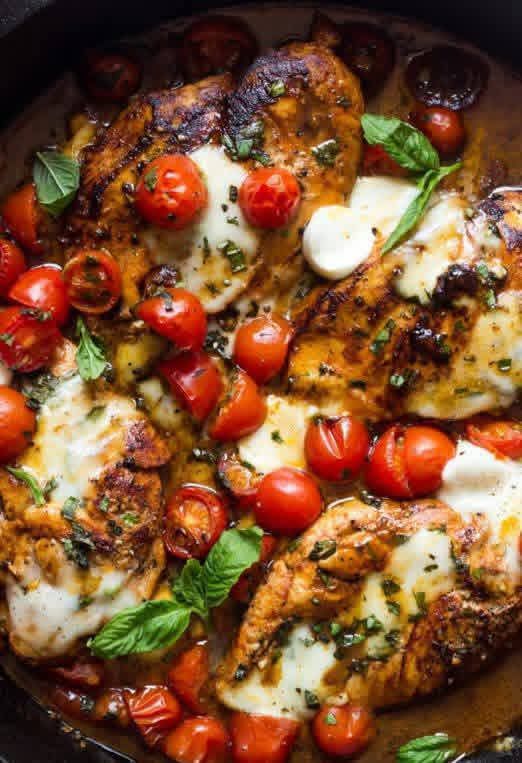
One Pan Balsamic Chicken is a deeply flavorful, comforting, and practical meal that combines juicy chicken, caramelized vegetables, aromatic herbs, garlic, and a rich balsamic glaze in a single skillet or baking pan. The beauty of this dish lies in its balance between sweet, tangy, savory, and herbaceous flavors. The balsamic vinegar slowly reduces during cooking, coating the chicken and vegetables in a glossy sauce that tastes complex yet requires relatively simple ingredients.
This recipe is designed to be extremely detailed, comprehensive, and beginner-friendly while also including advanced cooking explanations for people who enjoy understanding culinary techniques. Every step is explained thoroughly so you can achieve restaurant-quality results at home.
The recipe serves 6 people generously.
Preparation Time
- Preparation Time: 30 minutes
- Marinating Time: 30 minutes to 12 hours
- Cooking Time: 45 minutes
- Total Time: Approximately 1 hour 45 minutes
Equipment Needed
- Large oven-safe skillet or roasting pan
- Mixing bowls
- Sharp chef’s knife
- Cutting board
- Measuring cups and spoons
- Tongs
- Wooden spoon
- Aluminum foil
- Meat thermometer
- Small saucepan (optional for extra glaze)
Ingredients
For the Chicken
- 6 bone-in, skin-on chicken thighs
- 2 boneless chicken breasts
- 1 teaspoon salt
- 1 teaspoon black pepper
- 1 teaspoon smoked paprika
- 1 teaspoon garlic powder
- 1 teaspoon onion powder
- 1 teaspoon dried oregano
- 1 teaspoon dried thyme
- 1/2 teaspoon crushed red pepper flakes
- 2 tablespoons olive oil
For the Balsamic Marinade and Sauce
- 1 cup balsamic vinegar
- 4 tablespoons honey
- 2 tablespoons brown sugar
- 1 tablespoon Dijon mustard
- 6 garlic cloves, minced
- 2 tablespoons soy sauce
- 1 tablespoon Worcestershire sauce
- 1 tablespoon tomato paste
- 1 teaspoon Italian seasoning
- 1/2 teaspoon black pepper
- 1/2 teaspoon salt
- 1 tablespoon butter
Vegetables
- 2 cups baby potatoes, halved
- 2 large carrots, sliced
- 1 red onion, cut into wedges
- 1 yellow onion, cut into wedges
- 1 red bell pepper, sliced
- 1 yellow bell pepper, sliced
- 1 zucchini, thickly sliced
- 1 cup cherry tomatoes
- 8 garlic cloves, whole
- 2 tablespoons olive oil
- 1 teaspoon salt
- 1/2 teaspoon black pepper
- 1 teaspoon dried rosemary
Optional Additions
- Fresh rosemary sprigs
- Fresh thyme sprigs
- Fresh basil leaves
- Parmesan cheese
- Crushed chili flakes
- Sliced mushrooms
- Spinach
- Asparagus
- Mozzarella cheese
Understanding the Ingredients
Why Use Bone-In Chicken?
Bone-in chicken remains juicier because the bone helps distribute heat more evenly. The skin also becomes crispy during roasting and protects the meat from drying out.
Why Balsamic Vinegar Works So Well
Balsamic vinegar has natural sweetness and acidity. During cooking, the sugars caramelize while the acidity balances the richness of the chicken. A good balsamic vinegar transforms into a syrupy glaze when reduced.
Importance of Garlic
Garlic adds depth and aroma. Using both minced garlic and whole garlic cloves creates layers of flavor. Minced garlic dissolves into the sauce while whole cloves become soft and sweet.
Role of Honey and Brown Sugar
These ingredients balance acidity and help create caramelization. They also produce a glossy texture in the final sauce.
Step 1: Prepare the Marinade
In a medium mixing bowl, combine:
- Balsamic vinegar
- Honey
- Brown sugar
- Dijon mustard
- Minced garlic
- Soy sauce
- Worcestershire sauce
- Tomato paste
- Italian seasoning
- Salt
- Black pepper
Whisk thoroughly until smooth.
The marinade should smell tangy, slightly sweet, and strongly aromatic from garlic and vinegar.
Reserve about 1/3 cup of the marinade separately for later use. This prevents contamination from raw chicken and allows you to use fresh sauce during roasting.
Step 2: Season the Chicken
Pat the chicken dry using paper towels.
Dry chicken develops better browning because moisture interferes with caramelization.
Season both sides of the chicken with:
- Salt
- Black pepper
- Garlic powder
- Onion powder
- Smoked paprika
- Oregano
- Thyme
- Red pepper flakes
Massage the seasoning into the meat thoroughly.
Step 3: Marinate the Chicken
Place the chicken into a large bowl or zip-top bag.
Pour most of the balsamic marinade over the chicken.
Coat every piece evenly.
Cover and refrigerate.
Minimum marinating time:
- 30 minutes
Recommended:
- 4 hours
Best flavor:
- Overnight
Longer marination allows the vinegar, herbs, and garlic to penetrate the meat more deeply.
Step 4: Prepare the Vegetables
Wash and cut all vegetables into roughly equal sizes.
This ensures even cooking.
Place vegetables into a large bowl.
Add:
- Olive oil
- Salt
- Pepper
- Rosemary
Toss thoroughly.
The oil helps roasting and caramelization while preventing dryness.
Step 5: Preheat the Oven
Preheat oven to:
- 425°F (220°C)
A high roasting temperature creates:
- Crispy chicken skin
- Golden vegetables
- Thickened sauce
- Better caramelization
Step 6: Sear the Chicken
Heat a large oven-safe skillet over medium-high heat.
Add olive oil.
Place chicken skin-side down.
Do not overcrowd the pan.
Sear for:
- 4 to 5 minutes
The skin should become:
- Golden brown
- Crispy
- Deeply caramelized
Flip and cook another:
- 2 minutes
Remove chicken temporarily.
Why this matters:
Searing creates flavor through the Maillard reaction, which forms hundreds of savory flavor compounds.
Step 7: Cook the Vegetables Slightly
In the same pan, add potatoes and carrots first because they take longest to cook.
Cook:
- 5 minutes
Then add:
- Onions
- Bell peppers
- Zucchini
- Whole garlic cloves
Stir occasionally.
The vegetables absorb the chicken drippings and browned bits from the skillet.
Those browned bits are called fond and contain concentrated flavor.
Step 8: Assemble Everything
Place chicken back into the skillet on top of vegetables.
Pour reserved fresh marinade around the pan.
Do not pour directly over crispy skin if you want maximum crispness.
Add:
- Cherry tomatoes
- Rosemary sprigs
- Thyme sprigs
Step 9: Roast in the Oven
Transfer skillet to oven.
Roast uncovered for:
- 30 to 40 minutes
Halfway through cooking:
- Spoon sauce over vegetables
- Rotate pan if needed
Chicken is done when:
- Internal temperature reaches 165°F (74°C)
Vegetables should be:
- Tender
- Slightly caramelized
- Glossy from sauce
Step 10: Create Extra Glaze (Optional)
For a richer restaurant-style finish:
Pour some pan juices into a small saucepan.
Simmer over medium heat:
- 5 to 10 minutes
Add:
- Butter
Reduce until thick and glossy.
Drizzle over chicken before serving.
Step 11: Rest the Chicken
Remove pan from oven.
Let rest:
- 10 minutes
Resting allows juices to redistribute through the meat.
Cutting immediately causes moisture loss.
Final Texture and Flavor
The final dish should have:
- Crispy browned chicken skin
- Juicy interior meat
- Sticky balsamic glaze
- Sweet roasted garlic
- Tangy sauce
- Caramelized vegetables
- Balanced sweetness and acidity
Serving Suggestions
Serve with:
- Mashed potatoes
- Rice pilaf
- Garlic butter pasta
- Crusty artisan bread
- Roasted asparagus
- Caesar salad
- Creamy polenta
- Buttered noodles
Advanced Cooking Notes
Caramelization
As the balsamic vinegar cooks, sugars begin caramelizing around 320°F. This creates:
- Deeper flavor
- Richer color
- Sweet complexity
Acid Balance
Too much vinegar can taste sharp. Honey and brown sugar soften the acidity.
Why High Heat Matters
Lower temperatures may steam the chicken instead of roasting it.
High heat creates:
- Better browning
- Concentrated flavor
- Crispy texture
Variations
Creamy Balsamic Chicken
Add:
- 1/2 cup heavy cream
- 1/4 cup parmesan cheese
after roasting.
Simmer briefly until creamy.
Mediterranean Version
Add:
- Olives
- Feta cheese
- Sun-dried tomatoes
- Artichokes
Spicy Version
Increase:
- Red pepper flakes
- Add cayenne pepper
- Add hot sauce
Mushroom Balsamic Chicken
Add:
- 2 cups mushrooms
Mushrooms absorb balsamic sauce beautifully.
Common Mistakes and Solutions
Problem: Chicken Skin Not Crispy
Cause:
- Chicken too wet
- Pan overcrowded
Solution:
- Pat dry thoroughly
- Sear properly
Problem: Sauce Too Thin
Cause:
- Insufficient reduction
Solution:
- Simmer longer
- Roast uncovered
Problem: Vegetables Undercooked
Cause:
- Pieces too large
Solution:
- Cut evenly
- Pre-cook potatoes slightly
Problem: Sauce Burned
Cause:
- Heat too high for too long
Solution:
- Add splash of broth
- Lower oven rack slightly
Storage Instructions
Refrigerator
Store in airtight container:
- Up to 4 days
Freezer
Freeze:
- Up to 3 months
Thaw overnight before reheating.
Reheating Instructions
Oven Method
Bake at:
- 350°F (175°C)
for:
- 15 to 20 minutes
Best method for preserving texture.
Microwave Method
Heat in intervals of:
- 1 minute
Add splash of water if sauce thickens too much.
Nutritional Estimate Per Serving
Approximate values:
- Calories: 520
- Protein: 38g
- Carbohydrates: 24g
- Fat: 30g
- Fiber: 4g
- Sugar: 12g
Values vary depending on exact ingredients used.
Chef-Level Tips
Use Dark Balsamic Vinegar
Higher-quality balsamic gives:
- Better sweetness
- Better reduction
- More complex flavor
Layer the Seasoning
Season:
- Chicken
- Vegetables
- Sauce separately
This creates balanced flavor throughout the dish.
Avoid Constant Stirring
Allow vegetables to sit against hot pan surfaces so they caramelize properly.
Add Fresh Herbs at the End
Fresh herbs added after cooking provide brighter aroma.
Full Meal Pairing Ideas
Side Dishes
- Parmesan risotto
- Herb couscous
- Garlic mashed cauliflower
- Lemon rice
- Buttered green beans
Drinks
- Sparkling water with lemon
- Apple cider
- Grape juice
- Iced tea
Why One Pan Meals Are Popular
One pan meals reduce:
- Cleanup
- Cooking stress
- Time spent washing dishes
They also improve flavor because everything cooks together and shares juices and aromatics.
Professional Presentation Tips
For restaurant-style plating:
- Place vegetables first.
- Lean chicken slightly on vegetables.
- Spoon glaze carefully around plate.
- Garnish with fresh herbs.
- Add cracked black pepper on top.
Final Thoughts
One Pan Balsamic Chicken is a complete comfort meal that combines simplicity with deep flavor. The combination of roasted chicken, vegetables, garlic, herbs, and balsamic glaze creates a dish that feels elegant enough for guests while remaining practical for everyday cooking.
The slow roasting process transforms ordinary ingredients into something rich, glossy, aromatic, and deeply satisfying. With proper searing, balanced seasoning, and patient roasting, this recipe delivers tender chicken and beautifully caramelized vegetables every single time.


