Pickled Beets Recipe
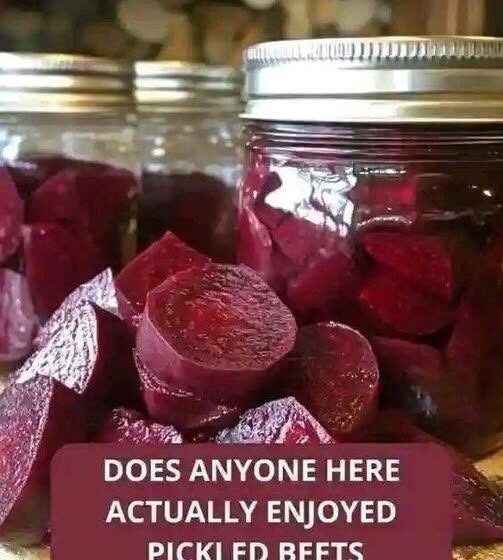
This is a very detailed, traditional-style pickled beets recipe designed for rich flavor, beautiful color, and excellent texture. Pickled beets are a classic preserve enjoyed around the world for their balance of sweetness, acidity, and earthy beet flavor. They can be served as a side dish, added to salads, used in sandwiches, or enjoyed straight from the jar.
Introduction
Pickled beets are made by cooking fresh beets until tender, peeling them, and preserving them in a vinegar-based brine that may contain sugar, salt, and aromatic spices. The vinegar provides acidity, which helps preserve the beets and gives them their characteristic tangy taste. Sugar balances the acidity and enhances the natural sweetness of the beets. Spices add complexity and depth.
The recipe below creates a classic sweet-and-tangy pickled beet that develops even more flavor after several days in the refrigerator. The beets become infused with the pickling liquid while retaining their vibrant ruby-red color.
Yield
This recipe makes approximately 4 quart jars or 8 pint jars of pickled beets.
Ingredients
8 pounds fresh beets
4 cups white vinegar with 5% acidity
4 cups water
2 cups granulated sugar
2 tablespoons pickling salt or kosher salt
2 cinnamon sticks
1 tablespoon whole cloves
1 tablespoon whole allspice berries
1 teaspoon black peppercorns
4 bay leaves
1 tablespoon mustard seeds
1 large onion, thinly sliced (optional)
8 cloves garlic, peeled (optional)
Fresh dill sprigs (optional)
Orange peel strips (optional)
Selecting the Beets
The quality of the finished pickled beets begins with selecting the best beets possible. Choose beets that feel heavy for their size and are firm when squeezed. Avoid beets with soft spots, wrinkles, mold, cracks, or signs of decay.
Small and medium-sized beets are generally preferred because they tend to be sweeter and more tender than very large beets. Large beets can sometimes become fibrous or woody in texture.
If the beets still have their leafy tops attached, look for leaves that are fresh and green. Fresh tops are often a sign that the beets were recently harvested.
Preparing the Beets
Fill a sink or large bowl with cool water. Place the beets in the water and gently scrub them using a vegetable brush. Remove all visible dirt and debris from the surface.
Do not completely remove the stems before cooking. Leave about one inch of stem attached. Also leave the root tail intact. This helps reduce the loss of color and flavor during cooking.
After washing, place the cleaned beets in a large stockpot.
Cooking the Beets
Cover the beets completely with water. Place the pot over high heat and bring it to a boil.
Once boiling, reduce the heat and maintain a gentle simmer.
Cooking times vary depending on the size of the beets.
Small beets usually require about 25 to 35 minutes.
Medium beets generally require about 40 to 50 minutes.
Large beets may require 60 to 75 minutes or longer.
The beets are fully cooked when a knife or skewer slides easily into the center.
Avoid overcooking. Overcooked beets can become mushy and lose some of their texture after pickling.
Cooling the Beets
Drain the cooked beets into a colander.
Transfer them immediately into a large bowl filled with ice water or very cold water.
Allow the beets to cool until they can be handled comfortably.
Cooling stops the cooking process and helps maintain texture.
Peeling the Beets
Once cooled, gently rub each beet with your fingers or a clean paper towel. The skins should slip off easily.
Trim away the remaining stems and root tails.
Discard the skins.
If desired, wear kitchen gloves to prevent staining your hands.
Cutting the Beets
The beets can be prepared in several different ways.
They may be sliced into rounds approximately one-quarter inch thick.
They may be cut into wedges for salads and side dishes.
They may be cubed for grain bowls and mixed vegetable dishes.
Very small beets may be left whole.
Try to keep the pieces similar in size so they pickle evenly.
Making the Pickling Brine
In a large saucepan combine the vinegar, water, sugar, and salt.
Add the cinnamon sticks, cloves, allspice berries, peppercorns, bay leaves, and mustard seeds.
Place the saucepan over medium-high heat.
Bring the mixture to a gentle boil while stirring occasionally.
Continue stirring until the sugar and salt dissolve completely.
Reduce the heat and simmer for 10 minutes.
During this time the spices will infuse the liquid with flavor.
The aroma should become sweet, warm, and fragrant.
Preparing the Jars
Wash all jars, lids, and equipment thoroughly using hot water and soap.
Rinse well.
Sterilize the jars according to safe canning procedures or by boiling them in water for 10 minutes.
Keep the jars warm until ready to use.
Warm jars help prevent thermal shock when filled with hot brine.
Filling the Jars
Place sliced or cut beets into the jars.
If using onions, divide the onion slices among the jars.
If using garlic, place one or two cloves in each jar.
Fresh dill sprigs or strips of orange peel may also be added.
Pack the jars firmly but do not crush the beets.
Leave approximately one-half inch of headspace at the top of each jar.
Adding the Brine
Carefully pour the hot pickling liquid over the beets.
Ensure that all beet pieces are completely submerged.
Leave about one-half inch of headspace.
Use a clean utensil to remove trapped air bubbles.
Add additional brine if necessary.
Wipe the rims of the jars with a clean damp cloth.
Attach the lids securely.
Cooling and Storing
Allow the jars to cool to room temperature.
Transfer them to the refrigerator.
Although the beets can be eaten after 24 hours, their flavor improves significantly after several days.
Three to seven days of refrigeration allows the flavors to blend beautifully.
After two weeks the beets often reach their peak flavor.
Flavor Development
As the beets sit in the pickling liquid, the vinegar gradually penetrates the flesh of the beets. The sugar softens the sharpness of the vinegar while the spices contribute warmth and complexity.
The cinnamon provides subtle sweetness.
The cloves add a rich aromatic character.
The allspice contributes notes reminiscent of cinnamon, nutmeg, and cloves.
The mustard seeds introduce a mild pungency.
The peppercorns provide gentle spice.
The result is a balanced pickle that is sweet, tangy, earthy, and aromatic.
Sweet Pickled Beets Variation
For a sweeter style of pickled beet, increase the sugar from 2 cups to 3 cups.
This version resembles many traditional family recipes that have been passed down through generations.
The extra sweetness highlights the natural sugars found in the beets.
Tangy Pickled Beets Variation
For a more pronounced vinegar flavor, use 5 cups vinegar and 3 cups water.
This creates a brighter and sharper pickle.
The higher acidity gives the beets a more assertive flavor profile.
Spiced Holiday Pickled Beets
Add extra cinnamon sticks, additional cloves, and strips of orange peel.
This creates a festive version that pairs beautifully with roasted meats and holiday dinners.
The citrus notes complement the earthy sweetness of the beets.
Garlic Pickled Beets
Add two garlic cloves to each jar.
The garlic introduces a savory depth that balances the sweetness.
This version works especially well in sandwiches and salads.
Onion Pickled Beets
Thinly slice one or two onions and layer them between the beets.
The onions absorb the colorful brine and develop a sweet-tangy flavor of their own.
Many people consider the pickled onions just as delicious as the beets themselves.
Serving Suggestions
Serve pickled beets chilled as a side dish.
Add them to green salads.
Combine them with goat cheese and walnuts.
Serve them alongside roasted chicken.
Include them on charcuterie boards.
Use them in grain bowls.
Chop them into potato salad.
Layer them onto sandwiches.
Serve them with smoked meats.
Pair them with sharp cheeses.
Add them to wraps.
Mix them into bean salads.
Use them as a colorful garnish for dinner plates.
Storage Information
Refrigerator pickled beets are generally best consumed within one to two months for maximum quality.
Always keep the jars refrigerated.
Use clean utensils when removing beets from the jar.
Discard immediately if mold develops, if unusual odors appear, or if the contents show signs of spoilage.
Nutritional Information
Beets are naturally rich in fiber.
They provide folate, which supports healthy cell growth.
They contain potassium, an important mineral involved in muscle and nerve function.
They supply manganese, which contributes to metabolism and bone health.
Beets are also known for their vibrant pigments called betalains, which act as natural antioxidants.
Traditional Family-Style Pickled Beets
Many traditional recipes use little more than beets, vinegar, sugar, and warm spices. The simplicity of these ingredients allows the natural flavor of the beets to remain the star of the recipe. Over time, generations of cooks have added personal touches such as onions, garlic, orange peel, cinnamon, cloves, or mustard seed. Despite these variations, the essential character of pickled beets remains unchanged: tender beets preserved in a sweet, tangy, deeply flavorful brine that becomes more delicious with every passing day in the refrigerator. The result is a timeless preserve that can be enjoyed throughout the year and served with everything from simple sandwiches to elaborate holiday feasts.