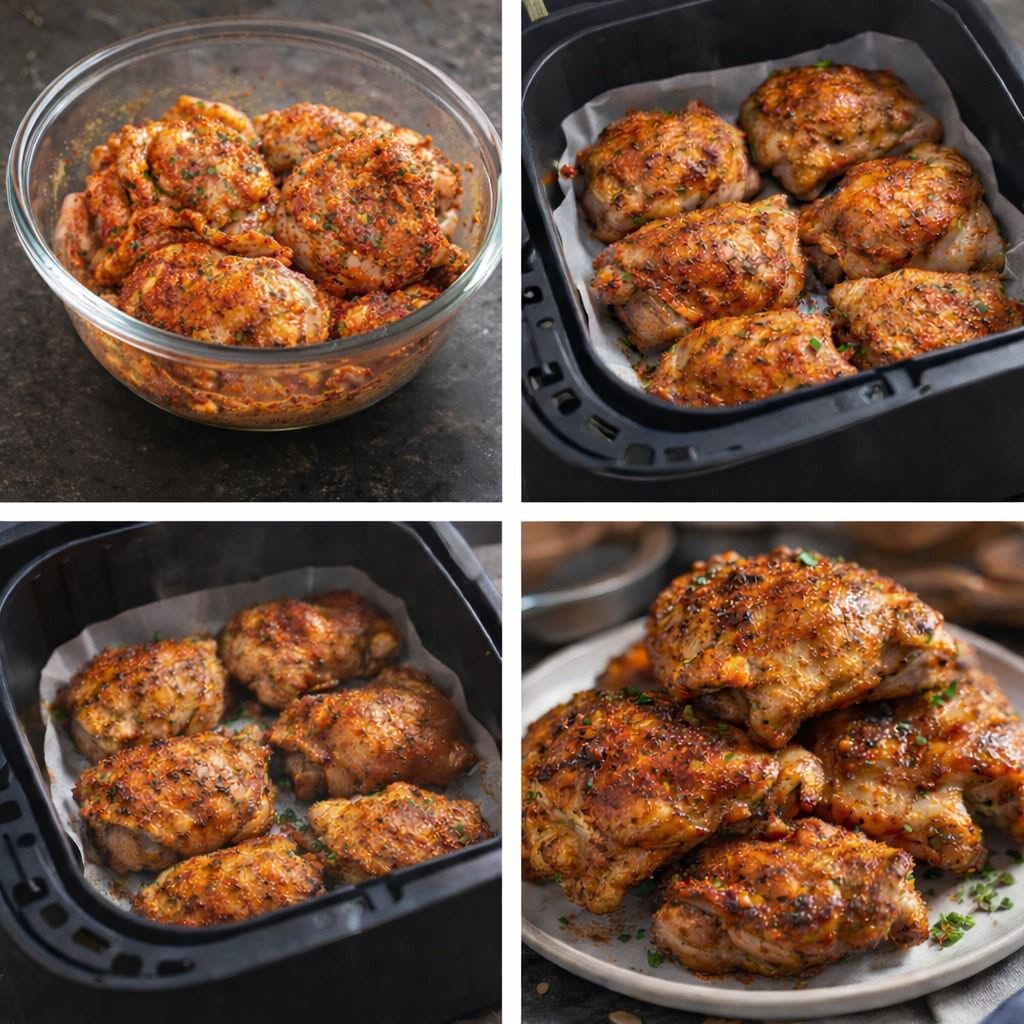
Golden and Crispy Fried Chicken (Very Detailed Long Recipe)
This recipe is designed to produce deeply flavorful, juicy chicken with an extra-crispy golden crust. The process includes brining, seasoning, marinating, double dredging, and careful frying for the best restaurant-style results.
Ingredients
For the Chicken
1 whole chicken cut into 8–10 pieces, or 1.5–2 kg chicken pieces (drumsticks, thighs, wings, and breasts)
For the Brine
2 liters cold water
4 tablespoons salt
2 tablespoons sugar
1 tablespoon garlic powder
1 tablespoon onion powder
1 teaspoon black pepper
2 bay leaves
For the Marinade
2 cups buttermilk
2 eggs
2 tablespoons hot sauce (optional)
1 tablespoon garlic paste
1 tablespoon ginger paste
1 teaspoon paprika
1 teaspoon black pepper
1 teaspoon salt
For the Seasoned Flour Coating
4 cups all-purpose flour
1 cup cornstarch
2 tablespoons paprika
1 tablespoon garlic powder
1 tablespoon onion powder
2 teaspoons black pepper
2 teaspoons white pepper
2 teaspoons salt
1 teaspoon cayenne pepper (optional)
1 teaspoon dried thyme
1 teaspoon dried oregano
1 teaspoon baking powder
For Frying
Vegetable oil, peanut oil, or canola oil
Instructions
Step 1: Brining the Chicken
In a large bowl or container, combine the cold water, salt, sugar, garlic powder, onion powder, black pepper, and bay leaves. Stir until everything dissolves completely.
Add the chicken pieces and ensure they are fully submerged in the brine. Cover the container and place it in the refrigerator for at least 4 hours. For the best flavor and juiciness, leave it overnight.
The brine helps the chicken absorb moisture and seasoning, resulting in tender and flavorful meat even after frying.
Step 2: Preparing the Marinade
Remove the chicken from the brine and pat it lightly dry with paper towels.
In a large bowl, whisk together the buttermilk, eggs, hot sauce, garlic paste, ginger paste, paprika, black pepper, and salt.
Add the chicken pieces to the marinade and coat them thoroughly. Cover and refrigerate for at least 4 hours. Overnight marination produces the most flavorful results.
The acidity of the buttermilk tenderizes the chicken while helping the coating stick better during frying.
Step 3: Making the Crispy Flour Mixture
In a large shallow tray or bowl, combine the flour, cornstarch, paprika, garlic powder, onion powder, black pepper, white pepper, salt, cayenne pepper, thyme, oregano, and baking powder.
Mix thoroughly so the seasonings are evenly distributed.
Cornstarch helps create a lighter and crispier crust. Baking powder contributes to a crunchy texture by creating tiny air pockets in the coating.
Step 4: Creating Extra Crispy Texture
Take about 6 tablespoons of the marinade and drizzle it into the flour mixture.
Using your fingertips, rub the flour and marinade together until small clumps form.
These small clumps become extra crunchy bits on the fried chicken, giving it a rugged, crispy restaurant-style crust.
Step 5: Dredging the Chicken
Remove one piece of chicken from the marinade and allow excess liquid to drip off.
Place it into the flour mixture and coat thoroughly.
Press the flour firmly onto the chicken.
Dip the coated chicken back into the marinade briefly.
Return it to the flour mixture for a second coating.
Press the flour onto every surface of the chicken.
Place the coated piece on a wire rack.
Repeat with all remaining chicken pieces.
Allow the coated chicken to rest for 20–30 minutes before frying. This resting period helps the coating adhere and prevents it from falling off during cooking.
Step 6: Heating the Oil
Fill a deep fryer, Dutch oven, or large heavy-bottomed pot with oil.
Heat the oil to 170–175°C (340–350°F).
Use a thermometer whenever possible. Maintaining the correct temperature is one of the most important factors in achieving golden and crispy fried chicken.
If the oil is too hot, the coating may burn before the chicken cooks through.
If the oil is too cool, the chicken may absorb excess oil and become greasy.
Step 7: Frying the Chicken
Carefully place several pieces of chicken into the hot oil without overcrowding the pot.
Maintain the oil temperature between 165–175°C throughout cooking.
Fry smaller pieces such as wings for approximately 10–12 minutes.
Fry drumsticks for approximately 12–15 minutes.
Fry thighs for approximately 14–16 minutes.
Fry large breast pieces for approximately 15–18 minutes.
Turn the chicken occasionally for even browning.
The coating should become a rich golden-brown color and the internal temperature of the chicken should reach 75°C (165°F).
Step 8: Draining and Resting
Transfer the fried chicken to a wire rack placed over a baking tray.
Avoid placing it directly on paper towels because trapped steam can soften the crust.
Allow the chicken to rest for 5–10 minutes.
This short resting period lets the juices redistribute inside the meat while keeping the crust crispy.
Step 9: Optional Double Fry Method
For an even crispier crust, fry the chicken once until nearly cooked.
Remove it from the oil and rest for 10 minutes.
Increase the oil temperature to 185°C (365°F).
Fry the chicken again for 1–2 minutes until deeply golden and extra crunchy.
Many professional kitchens use this method to achieve exceptional crispiness.
Serving Suggestions
Serve the fried chicken with mashed potatoes, coleslaw, biscuits, fries, corn on the cob, potato salad, garlic bread, pickles, or a fresh green salad.
It also pairs well with honey mustard sauce, spicy mayonnaise, barbecue sauce, garlic sauce, ranch dressing, or hot sauce.
Chef’s Tips for the Crispiest Fried Chicken
Use bone-in chicken for the juiciest results.
Always marinate the chicken for several hours.
Add cornstarch to the flour mixture for enhanced crunch.
Double dredge the chicken for a thicker crust.
Allow the coated chicken to rest before frying.
Maintain consistent oil temperature.
Avoid overcrowding the frying pot.
Drain on a wire rack instead of paper towels.
For maximum crunch, use the double-fry method.
The result is deeply seasoned, juicy chicken covered in a thick, golden, crackling crust that stays crispy for a long time while remaining tender and moist inside.
