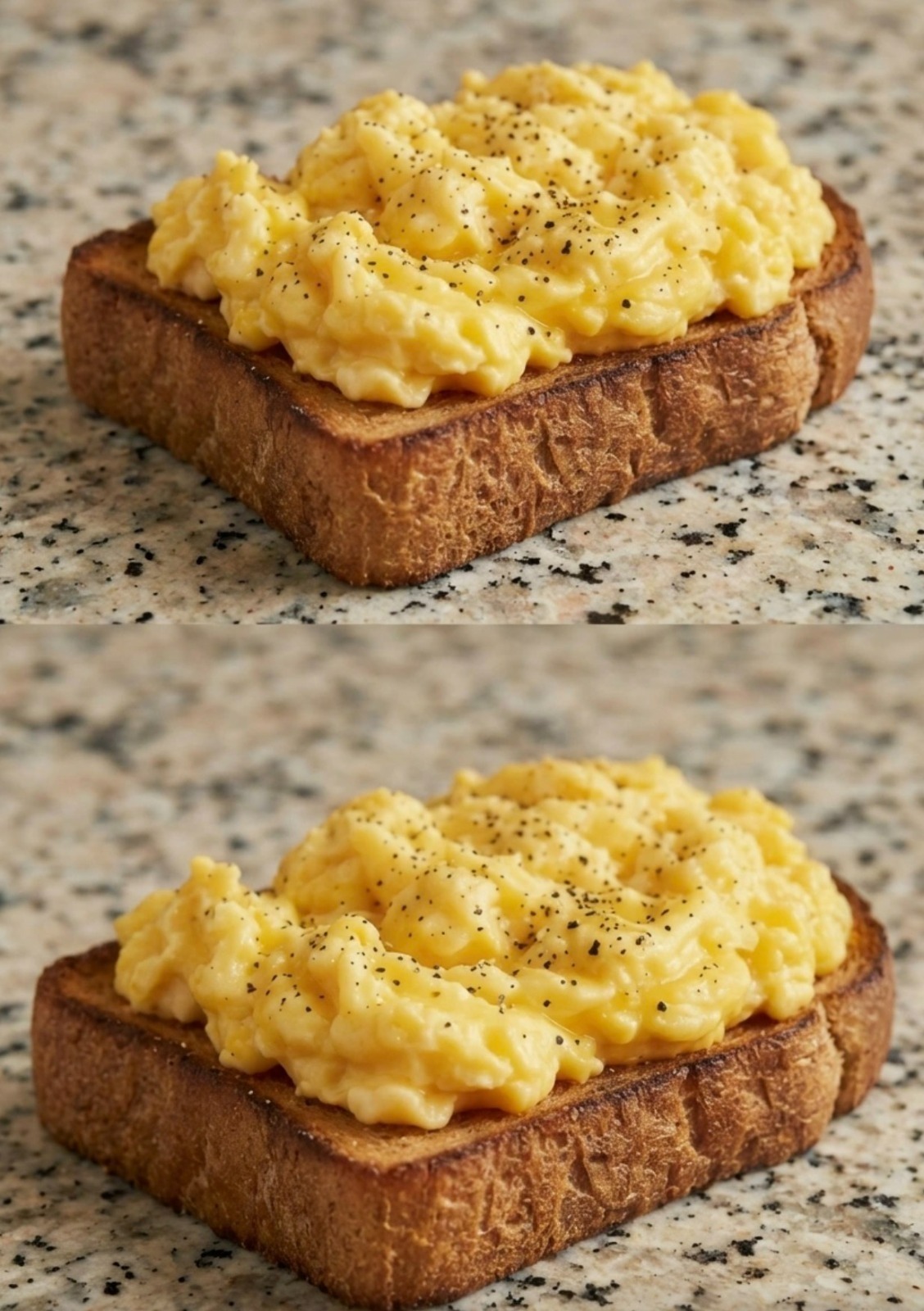
A Simple Breakfast That Never Gets Old
Scrambled eggs are one of those meals I make again and again because they are quick, filling, and incredibly satisfying. They don’t require fancy ingredients or complicated techniques, yet they can taste just as comforting as a breakfast served at a good café. The secret isn’t adding extra ingredients—it’s paying attention to the way the eggs cook.
Whenever I prepare scrambled eggs at home, I aim for a soft, creamy texture instead of dry, crumbly pieces. Gentle heat and slow movements in the pan make all the difference. The eggs stay tender, moist, and full of flavor without needing much effort. In just a few minutes, breakfast is ready, making this recipe perfect for busy mornings, relaxed weekends, or even a quick evening meal.
Although scrambled eggs seem simple, a few small details can completely change the final result. Choosing the right pan, whisking the eggs well, cooking over moderate heat, and removing the eggs from the stove at the right moment all help create light, fluffy curds instead of overcooked eggs.
This recipe uses everyday ingredients that most kitchens already have, making it an easy choice whenever I want a warm homemade breakfast.
Why This Recipe Works
There are countless ways to make scrambled eggs, but this method focuses on creating a creamy texture while keeping the eggs fully flavorful. Instead of rushing the cooking process, I allow the eggs to cook gradually. As they begin to set, I gently move them across the pan, letting the uncooked mixture flow underneath.
This simple technique creates soft folds instead of tiny dry pieces. The eggs stay glossy and moist without becoming runny.
Another reason this recipe works so well is that it doesn’t rely on unnecessary ingredients. A little butter adds richness, while a small amount of milk helps create a softer texture. Salt and black pepper season the eggs without overpowering their natural flavor.
Ingredients You’ll Need
One of my favorite things about this recipe is its short ingredient list. Every ingredient has a purpose, and together they create creamy, delicious scrambled eggs.
Eggs
- Eggs are the star of the recipe. Using fresh eggs gives the best texture and flavor. Fresh eggs also hold together better during cooking, helping create soft, fluffy curds.
Milk
- Milk is optional, but I like adding it because it gives the eggs a smoother texture. A small amount is enough. Adding too much liquid can make the eggs watery, so it’s best to stick with the recommended quantity.
Butter
- Butter adds richness while preventing the eggs from sticking to the pan. As it melts, it coats the cooking surface evenly and gives the finished eggs a pleasant buttery flavor.
- If needed, margarine or oil can also be used without changing the ingredient list.
Salt and Black Pepper
- Simple seasoning is all these eggs need. Salt brings out the natural flavor, while freshly ground black pepper adds mild warmth.
Toasted Bread
- Warm buttered toast is the perfect partner for scrambled eggs. It provides a crisp texture that balances the softness of the eggs and turns a simple breakfast into a complete meal.
Choosing the Right Pan
The pan you cook with has a bigger impact than many people realize.
A non-stick skillet is the easiest option because the eggs release easily and cleanup is quick. A well-seasoned cast-iron skillet also works very well if properly maintained.
For four eggs, a pan measuring about 25 cm (10 inches) provides enough room for the eggs to cook evenly. If making only two eggs, a smaller skillet helps keep the eggs together and makes stirring easier.
Using the right-sized pan prevents the eggs from spreading too thin, allowing soft curds to develop naturally.
Why Gentle Heat Matters
One of the biggest mistakes people make is cooking scrambled eggs over high heat.
Eggs cook surprisingly fast. High temperatures force the proteins to tighten too quickly, squeezing out moisture and leaving the eggs dry.
Instead, I keep the burner at medium heat or slightly lower if my stove runs hot. This slower cooking process gives me better control and allows the eggs to stay soft throughout.
The butter should melt gently without browning before the eggs are added.
Whisking the Eggs Properly
Before the eggs go into the pan, I whisk them together with the milk, salt, and pepper until everything is fully combined.
Whisking creates a smoother mixture and evenly distributes the seasoning. It also incorporates a little air, helping the eggs cook into lighter, fluffier folds.
There’s no need to overmix. Once the yolks and whites become fully blended, the mixture is ready.
The Cooking Method
After pouring the egg mixture into the warm buttered skillet, I wait only a few seconds before moving the eggs.
Instead of stirring rapidly, I slowly push the eggs across the bottom of the pan using a rubber spatula or a flat wooden spoon.
As the cooked egg moves aside, uncooked egg flows into the empty space and begins to cook. Repeating this motion across the pan gradually forms soft folds.
After about half a minute, I begin gently folding the eggs over themselves. This keeps the curds large, tender, and moist.
Within about one minute, the eggs are mostly cooked while still looking glossy.
Knowing When They’re Done
The most important step happens at the end.
I remove the eggs while they still look slightly softer than I want because they continue cooking from the heat remaining in the pan.
A few gentle folds after removing the skillet from the burner finish the cooking naturally without drying out the
eggs.
- Perfect scrambled eggs should be soft enough to hold together in folds while still looking moist.
Common Mistakes to Avoid
- Even a simple recipe has a few mistakes that can affect the final result.
Cooking Over High Heat
- Fast cooking often produces rubbery eggs. Lower heat gives much better control.
Constant Stirring
- Moving the eggs too quickly breaks them into tiny dry pieces. Slow, steady strokes create soft curds.
Leaving the Eggs Too Long
- Eggs continue cooking after leaving the stove. Removing them slightly early keeps them creamy.
Using Too Much Milk
- Only a small amount is needed. Extra milk can make the eggs watery instead of creamy.
Helpful Kitchen Tips
- A rubber spatula works especially well because it easily reaches every part of the pan.
- If cooking fewer eggs, use a smaller skillet so the eggs stay together while cooking.
- Avoid allowing the butter to brown before adding the eggs.
- Serve immediately after cooking since scrambled eggs are at their best when fresh from the pan.
Serving Suggestions
- Freshly toasted bread spread generously with butter is my favorite way to serve these scrambled eggs. The crisp toast contrasts beautifully with the soft eggs.
- For a larger breakfast, I like serving the eggs alongside crispy bacon, breakfast sausages, sautéed mushrooms, or lightly cooked spinach.
- Fresh fruit and a hot cup of coffee or tea also make this meal feel complete without requiring much extra preparation.
Description
These soft and creamy scrambled eggs come together in just a few minutes using simple kitchen staples. Cooking the eggs gently over moderate heat and folding them slowly creates tender, fluffy curds that pair perfectly with warm buttered toast. This easy recipe is ideal for breakfast, brunch, or even a quick meal any time of the day.
Recipe Details
Prep Time: 5 minutes
Cook Time: 2 minutes
Total Time: 7 minutes
Servings: 2
Course: Breakfast
Cuisine: American
Ingredients
- 4 eggs
- 2 tablespoons milk (any fat percentage, optional)
- ¼ teaspoon salt
- 2 grinds black pepper
- 1 tablespoon (15 g) butter (or margarine or oil)
For Serving
- 4 slices bread, toasted and spread with butter
Instructions
- Place the eggs, milk, salt, and black pepper into a bowl. Whisk until the mixture is smooth and evenly combined.
- Heat a non-stick skillet or a well-seasoned cast-iron pan (about 25 cm/10 inches) over medium heat. Add the butter and allow it to melt completely without browning.
- Pour the egg mixture into the pan. Let it sit undisturbed for about 5 seconds so the bottom begins to set.
- Using a rubber spatula or a flat-edged wooden spoon, gently push the eggs from one side of the pan to the other in long strokes. Continue moving around the edges so the uncooked egg flows onto the hot surface.
- After about 30 seconds, begin gently folding the larger pieces of egg over themselves while continuing the slow pushing motion.
- Cook for about 60 seconds, or until the eggs form soft, creamy curds and there is no runny egg pooling around the edges.
- Remove the pan from the heat while the eggs still look slightly softer than your preferred doneness. Continue folding gently for another 10 seconds as the residual heat finishes cooking them.
- Spoon the scrambled eggs onto hot buttered toast, sprinkle with a little extra black pepper if desired, and serve immediately.
Notes
- Adding milk is optional, but it helps create a slightly creamier texture.
- If preferred, cream may be used instead of milk in the same quantity, although it produces a richer result.
- Avoid adding too much liquid, as it can make the eggs watery.
- Cook over medium or medium-low heat if your stove runs hot.
- For four eggs, a 25 cm (10-inch) skillet works well. Use a smaller pan when making fewer eggs.
- A non-stick or well-seasoned cast-iron skillet makes cooking and cleanup easier.
- Stir the eggs gently rather than rapidly to create soft, fluffy curds.
- Remove the eggs from the heat just before they reach your desired doneness since they continue cooking from the residual heat.
- Scrambled eggs should remain soft, creamy, and evenly yellow without any browned or crispy spots.
- Serve immediately for the best flavor and texture.
Nutrition
- Calories: 182 kcal
- Carbohydrates: 1 g
- Protein: 12 g
- Fat: 14 g
- Saturated Fat: 6 g
- Cholesterol: 343 mg
- Sodium: 473 mg
- Potassium: 145 mg
- Sugar: 1 g
- Vitamin A: 683 IU
- Calcium: 68 mg
- Iron: 2 mg
Serving Suggestion: Enjoy these creamy scrambled eggs with buttered toast for a simple breakfast, or pair them with sautéed spinach, mushrooms, breakfast sausages, or crispy bacon for a more filling meal.
