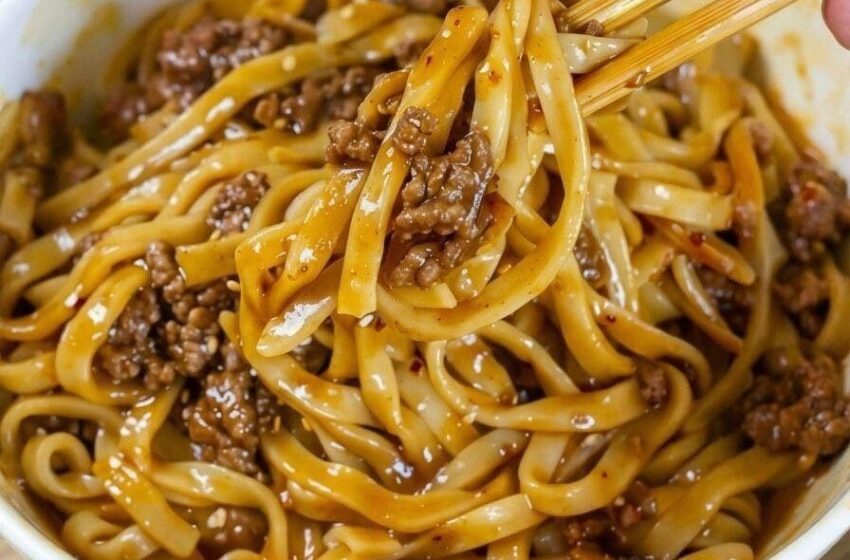
Savory Mongolian Beef (Extremely Detailed Long-Form Recipe)
Introduction
Mongolian Beef is a popular dish known for its tender slices of beef coated in a rich, glossy sauce that balances savory, sweet, and slightly spicy flavors. Despite its name, the dish is commonly associated with Chinese-American cuisine rather than traditional Mongolian cooking. This recipe focuses on creating an exceptionally flavorful version with deep caramelization, a silky sauce, and restaurant-quality texture. Every step is explained in detail to help achieve the best possible results.
Preparation Time: 40 minutes
Marinating Time: 30 minutes
Cooking Time: 20 minutes
Total Time: Approximately 1 hour 30 minutes
Servings: 6
Ingredients
For the Beef
1½ pounds (680 grams) flank steak or sirloin steak
2 tablespoons soy sauce
1 tablespoon rice vinegar
1 teaspoon sesame oil
1 teaspoon baking soda
½ teaspoon black pepper
3 tablespoons cornstarch
½ cup cornstarch for coating
Vegetable oil for frying
For the Mongolian Sauce
¾ cup low-sodium soy sauce
½ cup water
⅓ cup dark brown sugar
3 tablespoons light brown sugar
2 tablespoons hoisin sauce
1 tablespoon oyster sauce
1 tablespoon rice vinegar
1 tablespoon sesame oil
1 teaspoon freshly grated ginger
6 cloves garlic, finely minced
½ teaspoon white pepper
¼ teaspoon red pepper flakes
2 teaspoons cornstarch mixed with 2 tablespoons water
For the Vegetables
8 green onions, cut into 2-inch pieces
1 medium onion, thinly sliced
1 red bell pepper, thinly sliced
1 tablespoon minced garlic
1 teaspoon grated ginger
For Garnish
2 teaspoons toasted sesame seeds
Extra sliced green onions
Steamed rice for serving
Choosing the Beef
Flank steak is the preferred cut because it becomes extremely tender when sliced correctly. Sirloin is another excellent choice. The most important factor is slicing the meat thinly against the grain. Cutting against the grain shortens the muscle fibers and creates a softer bite.
Place the beef in the freezer for 20 minutes before slicing. Slightly firm meat is much easier to cut into thin, uniform slices. Aim for slices about one-quarter inch thick.
Step 1: Prepare the Beef
Trim away any excess fat or silver skin from the steak.
Slice the beef into thin strips against the grain.
Place the sliced beef into a large mixing bowl.
Add soy sauce, rice vinegar, sesame oil, baking soda, black pepper, and 3 tablespoons cornstarch.
Mix thoroughly until every piece is evenly coated.
Allow the beef to marinate for at least 30 minutes.
The baking soda helps tenderize the meat, while the cornstarch creates a protective coating that locks in moisture during cooking.
Step 2: Prepare the Sauce
In a medium bowl combine:
Soy sauce
Water
Dark brown sugar
Light brown sugar
Hoisin sauce
Oyster sauce
Rice vinegar
Sesame oil
Grated ginger
Minced garlic
White pepper
Red pepper flakes
Whisk until the sugars dissolve completely.
Prepare the cornstarch slurry separately by mixing cornstarch and water until smooth.
Set everything aside near the stove because the cooking process moves quickly.
Step 3: Coat the Beef
Place the additional half cup of cornstarch into a shallow dish.
Take each piece of marinated beef and lightly coat it with cornstarch.
Shake off any excess coating.
Arrange the coated beef on a tray.
Allow the coated beef to rest for 10 minutes. This resting period helps the coating adhere better and produces a crisp exterior.
Step 4: Fry the Beef
Heat approximately 2 inches of vegetable oil in a heavy skillet or wok.
The oil should reach about 350°F (175°C).
Carefully add the beef in small batches.
Do not overcrowd the pan.
Cook each batch for 2 to 3 minutes until lightly golden and crisp.
Transfer the cooked beef to a wire rack or paper towel-lined tray.
Repeat until all beef is cooked.
The beef should not be dark brown at this stage. It will continue developing color later when tossed in the sauce.
Step 5: Prepare the Aromatics
Discard most of the oil from the wok, leaving approximately 1 tablespoon.
Heat the wok over medium-high heat.
Add sliced onion.
Cook for 2 minutes until slightly softened.
Add bell pepper.
Cook for another 2 minutes.
Add minced garlic and grated ginger.
Stir continuously for 30 seconds.
The garlic and ginger should become fragrant but not browned.
Step 6: Create the Sauce
Pour the prepared sauce mixture into the wok.
Bring it to a gentle simmer.
Stir frequently.
Allow the sauce to cook for 3 to 4 minutes.
Gradually add the cornstarch slurry while stirring constantly.
Continue cooking until the sauce thickens.
The sauce should become glossy and coat the back of a spoon.
Taste and adjust seasoning if desired.
Additional soy sauce can increase saltiness.
Additional brown sugar can increase sweetness.
A small pinch of red pepper flakes can increase heat.
Step 7: Combine Everything
Add the fried beef to the simmering sauce.
Toss continuously so every piece becomes evenly coated.
Add the green onions.
Cook for another 1 to 2 minutes.
The sauce should cling to the beef without becoming overly thick.
If the sauce becomes too thick, add a tablespoon of water at a time until the desired consistency is reached.
Step 8: Final Flavor Development
Reduce heat to low.
Continue tossing for approximately 1 minute.
This final step allows the flavors to penetrate the beef while maintaining a glossy finish.
Sprinkle toasted sesame seeds over the dish.
Add additional green onions.
Remove from heat immediately.
Serving Suggestions
Serve the Mongolian Beef over freshly steamed jasmine rice.
It also pairs well with:
Fried rice
Garlic noodles
Steamed broccoli
Bok choy
Snow peas
Asian cucumber salad
The rich sauce naturally soaks into rice, creating a balanced meal.
Chef’s Tips for Maximum Flavor
Use freshly minced garlic rather than pre-packaged garlic.
Fresh ginger provides a brighter flavor than powdered ginger.
Do not skip the cornstarch coating because it helps the sauce cling to the meat.
Cook the beef in small batches to maintain oil temperature.
Use dark brown sugar for deeper caramel notes.
A hot wok creates slight smoky flavors that mimic restaurant cooking.
Allow the sauce to simmer long enough for the sugars to caramelize slightly.
Storage
Refrigerate leftovers in an airtight container for up to 4 days.
Reheat gently in a skillet over medium-low heat with a small splash of water.
Avoid overheating, as this can toughen the beef.
Freezing
Cool completely before freezing.
Store in freezer-safe containers for up to 2 months.
Thaw overnight in the refrigerator before reheating.
Result
The finished Mongolian Beef should be tender, juicy, and richly coated in a thick, glossy sauce. The combination of soy sauce, brown sugar, garlic, ginger, and green onions creates layers of savory depth with subtle sweetness and a gentle touch of heat. Every bite should deliver soft beef, aromatic vegetables, and a luxurious sauce that makes the dish memorable and satisfying