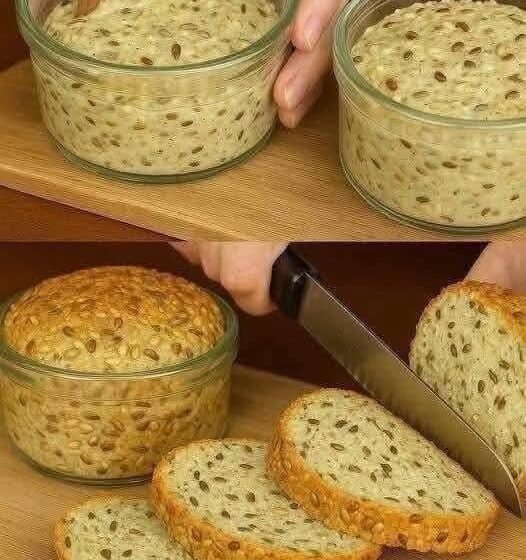
Three Ingredient Seeded Bread Recipe
This simple seeded bread is made with only three main ingredients, yet it creates a hearty, flavorful loaf with a rustic texture and a crisp crust. The seeds provide richness, crunch, and nutrition while the flour and yogurt work together to form a soft and satisfying bread. This recipe is designed to be easy enough for beginners while still producing bakery-style results at home.
Ingredients
3 cups self-rising flour
2 cups plain Greek yogurt
1 cup mixed seeds such as sunflower seeds, pumpkin seeds, sesame seeds, flaxseeds, or chia seeds
Optional additions if desired:
A pinch of salt
A tablespoon of honey
Extra seeds for topping
A little water if the dough feels too dry
Preparation
Start by preparing your kitchen workspace. Preheat your oven to 375°F or 190°C. Allow the oven to fully heat before placing the bread inside because an evenly heated oven helps create a better crust and more consistent texture.
Choose a medium or large mixing bowl. Add the self-rising flour first. If your flour contains lumps, sift it lightly to improve the texture of the bread. Pour most of the mixed seeds into the flour, reserving a small handful for topping later if desired.
Mix the flour and seeds together thoroughly. This helps distribute the seeds evenly throughout the loaf so every slice contains texture and flavor.
Add the Greek yogurt gradually. Begin stirring with a wooden spoon or spatula. The dough will appear shaggy and rough at first. Continue mixing until the yogurt becomes fully incorporated into the flour.
Once the mixture becomes difficult to stir, use clean hands to bring the dough together. Press and fold gently inside the bowl until no dry flour remains. The dough should feel soft and slightly sticky but still manageable. If it feels extremely sticky, sprinkle in a small amount of flour. If it feels too dry or crumbly, add a teaspoon of water or yogurt at a time.
Transfer the dough onto a lightly floured surface. Knead gently for about three to five minutes. This is not a yeast bread, so heavy kneading is unnecessary. The goal is simply to create a smooth dough with evenly distributed seeds.
Shape the dough into a round loaf or an oval depending on your preference. If you are using a loaf tin, lightly grease it before placing the dough inside. If baking free-form, line a baking tray or baking stone with parchment paper and place the shaped dough in the center.
Sprinkle the reserved seeds over the top. Press them lightly into the surface so they stick during baking. You may also dust the loaf lightly with flour for a rustic appearance.
Using a sharp knife, cut a shallow slash across the top of the dough. This helps the bread expand evenly while baking.
Place the bread into the preheated oven. Bake for approximately 35 to 45 minutes. Baking time may vary slightly depending on your oven and the shape of the loaf. The bread should become golden brown with a firm crust.
To check if the bread is done, tap the bottom of the loaf carefully. It should sound hollow. You can also insert a skewer into the center; it should come out clean without wet dough attached.
Remove the bread from the oven and place it on a cooling rack. Allow it to cool for at least twenty minutes before slicing. Cutting too early may cause the inside texture to become gummy.
Texture and Flavor
This bread has a dense but tender crumb with a nutty flavor from the seeds. The yogurt gives moisture and a slight tang that balances the richness of the seeds. The crust becomes lightly crisp while the interior stays soft.
Serving Suggestions
Serve warm with butter, cream cheese, hummus, avocado, or soup. It also works well toasted for breakfast. Thin slices can be used for sandwiches, while thicker slices pair beautifully with stews and salads.
Storage
Store the bread in an airtight container or wrapped in a clean kitchen towel at room temperature for up to three days. For longer storage, slice and freeze the bread. Toast slices directly from frozen when needed.
Helpful Tips
Using full-fat Greek yogurt creates a softer texture and richer flavor.
A combination of different seeds gives the best texture and visual appearance.
Do not over-knead the dough because this bread does not require extensive gluten development.
For a crispier crust, place a small oven-safe dish of water in the oven during baking.
If self-rising flour is unavailable, you can make your own by combining plain flour with baking powder and a little salt.
Variations
For a slightly sweeter loaf, add honey or maple syrup.
For extra crunch, toast the seeds lightly before mixing them into the dough.
For a more rustic loaf, shape the dough by hand and bake directly on a hot baking stone.
For additional flavor, herbs such as rosemary or thyme may be added even though the base recipe remains centered around the three primary ingredients.
This three ingredient seeded bread is ideal for anyone looking for a fast homemade loaf with minimal ingredients and maximum flavor. It requires no yeast, no rising time, and no complicated equipment, making it perfect for both beginner and experienced bakers.