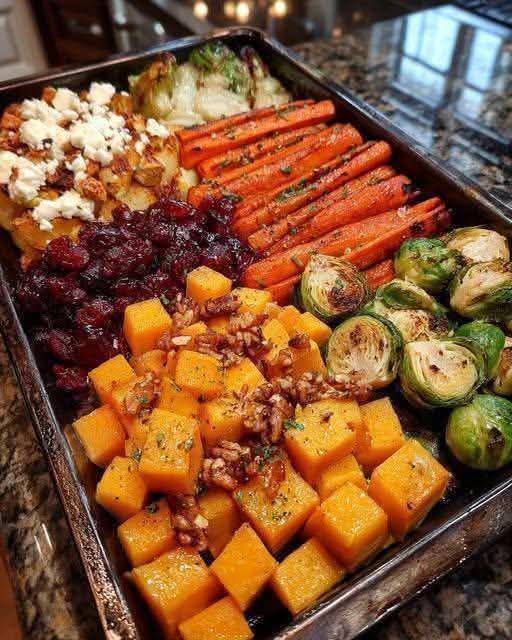
Caramelized Butternut Squash
Introduction
Caramelized butternut squash is one of the richest, sweetest, and most deeply comforting vegetable dishes you can prepare. When cooked properly, the natural sugars inside the squash slowly intensify and darken, creating golden brown edges, a soft creamy center, and layers of flavor that move from earthy to nutty to almost candy-like. The process is simple in theory but incredibly rewarding when done patiently and carefully. The key is balancing heat, moisture, seasoning, and timing so the squash develops a deep caramelization instead of merely steaming.
This detailed recipe explains not only how to make caramelized butternut squash, but also why each step matters, how ingredients interact, how to avoid common mistakes, and how to customize the dish for different styles of meals. Whether served beside roasted meats, folded into grain bowls, added to salads, spooned over creamy polenta, or eaten entirely on its own, this dish can become one of the most versatile recipes in your kitchen.
The recipe below is intentionally comprehensive and extensive, designed for someone who wants every detail necessary to produce exceptional results.
Understanding Butternut Squash
Butternut squash is a winter squash with pale tan skin and bright orange flesh. Its flavor is naturally sweet with subtle notes resembling pumpkin, sweet potato, roasted chestnut, and brown sugar. The sweetness becomes dramatically stronger during roasting because heat breaks down starches into sugars while also triggering caramelization and Maillard reactions on the surface.
A good butternut squash should feel heavy for its size and have firm skin without soft spots or mold. Smaller to medium squashes often have denser flesh and more concentrated flavor compared to oversized ones.
The neck portion contains mostly solid flesh and fewer seeds, making it ideal for evenly cut cubes. The bulbous bottom contains the seed cavity and slightly softer flesh.
Ingredient List
For the main recipe:
1 large butternut squash, approximately 3 to 4 pounds
3 tablespoons olive oil
2 tablespoons unsalted butter
2 tablespoons brown sugar
1 teaspoon kosher salt
1/2 teaspoon freshly ground black pepper
1/2 teaspoon smoked paprika
1/4 teaspoon cinnamon
1/8 teaspoon nutmeg
1 tablespoon maple syrup
2 cloves garlic, finely minced
1 teaspoon fresh thyme leaves
1 teaspoon chopped rosemary
Optional finishing ingredients:
Flaky sea salt
Fresh parsley
Toasted pecans
Crumbled goat cheese
Balsamic glaze
Fresh sage leaves
Chili flakes
Honey
Equipment Needed
Large chef’s knife
Vegetable peeler
Cutting board
Large mixing bowl
Heavy baking sheet or roasting pan
Parchment paper
Wooden spoon or spatula
Oven
Optional cast iron skillet for deeper caramelization
Preparing the Squash
Step 1: Washing
Wash the squash thoroughly under cool running water. Even though the skin will be removed, dirt on the surface can transfer to the flesh while cutting.
Dry completely with a towel.
Step 2: Trimming
Place the squash on a stable cutting board. Using a sharp chef’s knife, cut off both ends. This creates flat surfaces for safer cutting.
Step 3: Peeling
Use a sturdy vegetable peeler to remove the tough outer skin. Peel until the bright orange flesh is visible beneath the pale exterior.
Take your time during this process because uneven peeling can leave fibrous skin attached.
Step 4: Separating the Sections
Cut the squash where the narrow neck meets the rounded bottom section.
Stand each piece upright for easier cutting.
Step 5: Removing Seeds
Slice the bottom section in half lengthwise. Scoop out the seeds and stringy interior using a spoon.
The seeds may be cleaned and roasted separately if desired.
Step 6: Cutting Uniform Cubes
Cut the squash into evenly sized cubes approximately 1 inch in size.
Uniformity is extremely important because uneven pieces cook at different rates. Smaller pieces burn before larger ones become tender.
Why Caramelization Matters
Caramelization is the transformation of sugar under heat. Butternut squash naturally contains sugars that intensify during roasting. When exposed to sufficient dry heat, the surface begins browning and develops complex flavor compounds.
Proper caramelization produces:
Deep golden edges
Concentrated sweetness
Nutty aromas
Slight crispness outside
Creamy texture inside
The biggest enemy of caramelization is moisture. Crowded pans trap steam, preventing browning. That is why spacing matters greatly.
Seasoning Philosophy
The seasoning combination in this recipe is carefully balanced.
Salt enhances sweetness.
Black pepper adds subtle warmth.
Cinnamon and nutmeg complement the squash without making it taste like dessert.
Smoked paprika contributes depth and slight smokiness.
Maple syrup supports natural caramel notes.
Herbs add freshness and aromatic complexity.
Butter increases richness while helping browning occur more evenly.
Mixing the Squash
Place the cubes into a large mixing bowl.
Add:
Olive oil
Melted butter
Brown sugar
Salt
Pepper
Paprika
Cinnamon
Nutmeg
Maple syrup
Garlic
Thyme
Rosemary
Mix thoroughly using clean hands or a large spoon.
Every cube should be evenly coated. Dry spots prevent consistent caramelization.
Preparing the Baking Sheet
Line a heavy baking sheet with parchment paper.
A dark metal baking sheet promotes stronger browning than thin shiny pans.
Spread the squash in a single layer with visible space between cubes.
Do not overcrowd.
If necessary, use two baking sheets.
Oven Temperature
Preheat oven to 425 degrees Fahrenheit.
High heat is essential because lower temperatures soften the squash before proper browning develops.
The oven must be fully preheated before roasting begins.
Roasting Process
Initial Roast
Place the baking sheet in the center rack.
Roast for 20 minutes without disturbing the squash.
During this phase:
Moisture begins evaporating
Surface sugars concentrate
Bottom edges start browning
Turning the Squash
After 20 minutes, remove the tray carefully.
Flip each piece using a spatula.
You should already see golden brown surfaces forming.
Return to the oven.
Second Roast
Roast another 15 to 25 minutes depending on cube size and oven behavior.
The squash is done when:
Edges are dark golden brown
Centers are fork tender
Some surfaces appear glossy and caramelized
Corners may become slightly crisp
Final Broil for Extra Caramelization
For deeper color, switch oven to broil during the final 2 to 4 minutes.
Watch constantly.
The sugars can burn rapidly.
Texture Goals
Perfect caramelized butternut squash should have:
Creamy interiors
Slightly chewy caramelized edges
Golden brown exterior
Concentrated sweet flavor
No mushiness
The ideal texture balances softness and structure.
Common Mistakes and How to Avoid Them
Overcrowding the Pan
This is the most common issue.
When squash pieces touch excessively, trapped steam prevents browning.
Solution:
Use multiple trays.
Insufficient Heat
Low oven temperatures create soft steamed squash instead of caramelized squash.
Solution:
Roast at high heat.
Uneven Cutting
Different cube sizes cook unevenly.
Solution:
Cut carefully and consistently.
Too Much Liquid
Excess maple syrup or oil can create sogginess.
Solution:
Use measured amounts only.
Underseasoning
Squash requires enough salt to highlight sweetness.
Solution:
Taste and adjust after roasting.
Flavor Variations
Savory Herb Version
Increase rosemary and thyme.
Add sage.
Finish with parmesan cheese.
Spicy Version
Add cayenne pepper.
Include chili flakes.
Drizzle hot honey before serving.
Sweet Holiday Version
Increase cinnamon slightly.
Add pecans and dried cranberries.
Use extra maple syrup.
Middle Eastern Style
Add cumin and coriander.
Finish with tahini and parsley.
Garlic Brown Butter Style
Brown the butter before mixing.
Increase garlic quantity.
Finish with crispy sage.
Cast Iron Skillet Method
A cast iron skillet creates even deeper caramelization.
Instructions
Heat cast iron skillet over medium heat.
Add butter and oil.
Place squash cubes in a single layer.
Cook without stirring for several minutes.
Flip occasionally.
Transfer skillet to oven to finish cooking.
This method creates especially dark golden crusts.
Adding Onions
Caramelized onions pair beautifully with butternut squash.
Slice onions thinly and roast alongside the squash.
The onions become sweet, jammy, and richly browned.
Maple Glaze Finish
For an even richer glaze:
Combine:
2 tablespoons maple syrup
1 tablespoon butter
1 teaspoon balsamic vinegar
Heat gently until glossy.
Toss roasted squash in the glaze immediately before serving.
Balsamic Caramelized Squash
Balsamic vinegar adds acidity that balances sweetness.
Use only a small amount because too much moisture interferes with browning.
Drizzle after roasting rather than before.
Serving Ideas
Caramelized butternut squash works in many meals.
Serve with:
Roasted chicken
Turkey
Steak
Pork tenderloin
Wild rice
Quinoa
Couscous
Farro
Creamy risotto
Pasta
Arugula salads
Lentils
Mashed potatoes
Soup garnishes
Breakfast hash
Tacos
Flatbreads
Pizza
Turning It Into a Main Course
To make this dish more substantial:
Add chickpeas
Add quinoa
Top with fried eggs
Mix with kale
Use tahini sauce
Add feta or goat cheese
Include roasted nuts
Serve over grains
Storage Instructions
Allow squash to cool completely before refrigerating.
Store in airtight containers up to 4 days.
Reheat in oven rather than microwave for best texture.
Reheating Method
Preheat oven to 400 degrees Fahrenheit.
Spread squash on baking sheet.
Heat 10 to 15 minutes until hot and slightly crisp again.
Freezing Instructions
Caramelized butternut squash can be frozen.
Cool completely.
Freeze in single layers first before transferring to containers.
Store up to 2 months.
Texture softens slightly after thawing.
Nutritional Notes
Butternut squash contains:
Vitamin A
Vitamin C
Potassium
Fiber
Antioxidants
Complex carbohydrates
The orange color indicates high beta-carotene content.
Advanced Roasting Techniques
Dry Surface Technique
After cutting, let squash cubes sit uncovered for 20 minutes.
This dries exterior moisture and promotes stronger caramelization.
Preheated Pan Method
Place baking sheet inside oven while preheating.
Adding squash to a hot pan creates immediate sizzling and better browning.
Layered Browning Technique
Roast in stages:
First soften
Then caramelize
Then briefly broil
This creates deeper flavor complexity.
Professional Kitchen Secrets
Restaurants often achieve intense caramelization through:
High heat ovens
Minimal overcrowding
Generous salt balance
Combination of oil and butter
Finishing acids like balsamic or lemon
Fresh herbs added after roasting
Patience during browning
Pairing Suggestions
Proteins
Roast chicken
Duck
Turkey
Braised beef
Salmon
Pork chops
Lamb
Wines
Chardonnay
Pinot Noir
Grenache
Dry Riesling
Herbs
Sage
Rosemary
Thyme
Parsley
Chives
Cheese Pairings
Goat cheese
Feta
Parmesan
Blue cheese
Aged cheddar
Seasonal Adaptations
Autumn Version
Use apple cider glaze.
Add pecans and sage.
Winter Holiday Version
Add cranberries and walnuts.
Serve beside turkey or ham.
Spring Version
Pair with peas and fresh herbs.
Summer Version
Serve chilled in grain salads.
Turning Leftovers Into Other Meals
Soup
Blend leftovers with broth and cream.
Pasta Sauce
Mash lightly and toss with pasta.
Grain Bowl
Add quinoa, greens, nuts, and dressing.
Sandwich Filling
Use inside wraps with goat cheese.
Breakfast Hash
Cook with potatoes and eggs.
Full Step-by-Step Summary
- Wash squash thoroughly.
- Peel carefully.
- Remove seeds.
- Cut evenly sized cubes.
- Preheat oven to 425 degrees Fahrenheit.
- Toss squash with oil, butter, sugar, spices, herbs, garlic, and maple syrup.
- Spread on baking sheet in single layer.
- Roast 20 minutes.
- Flip cubes.
- Roast another 15 to 25 minutes.
- Broil briefly if desired.
- Finish with optional toppings.
- Serve hot.
Final Thoughts
Caramelized butternut squash is a perfect example of how simple ingredients can become extraordinary through proper technique. The transformation from firm raw squash into deeply browned, sweet, tender cubes is driven by patience, high heat, careful spacing, and balanced seasoning. Every stage contributes to the final flavor and texture.
Once mastered, this recipe becomes endlessly adaptable. It can move from rustic comfort food to elegant holiday side dish, from healthy weeknight dinner component to gourmet centerpiece ingredient. The sweetness of the squash, the richness of butter, the aroma of herbs, and the dark caramelized edges combine into a dish that feels luxurious while remaining fundamentally simple.
The more carefully you roast the squash and allow the natural sugars to deepen, the more rewarding the final result becomes.
